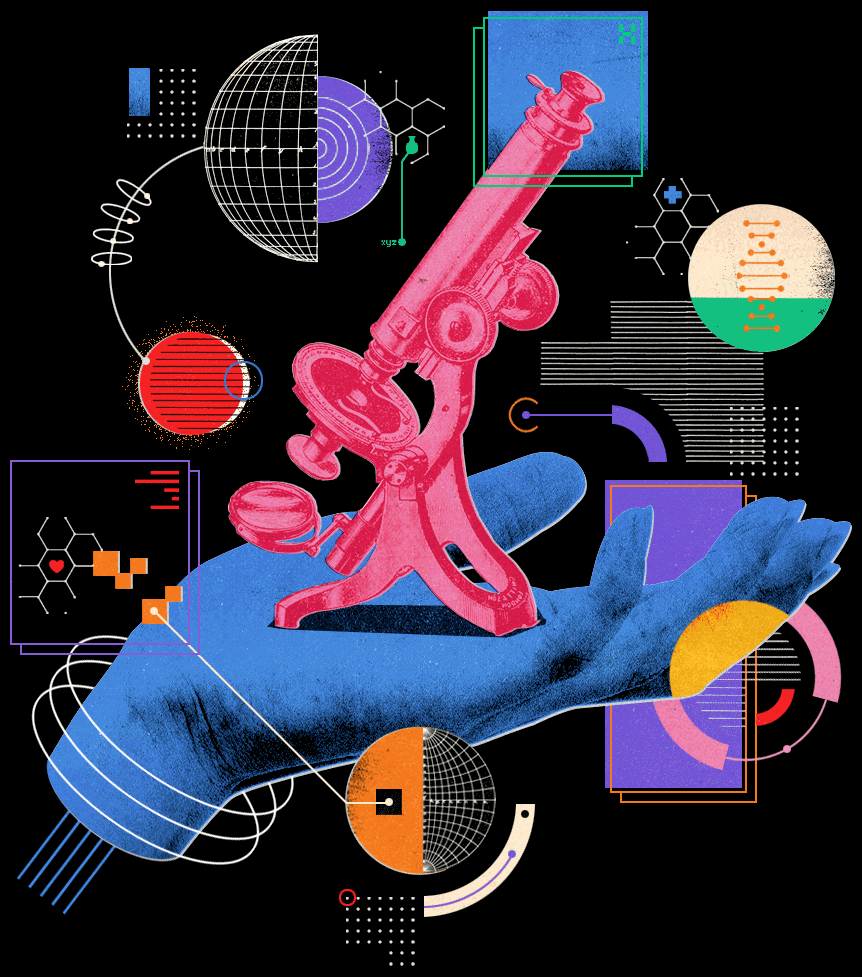

lobal warming, metabolic diseases, and education gaps are three problems that have been on the world's public agenda for years and that have remained unsolved either by laws or by the good intentions of international organizations. Science currently plays a fundamental role in meeting these challenges. That's why Tec de Monterrey has launched three high-impact research centers to help find solutions to these problems and improve people's lives.



(You can go to these three problems by pressing the buttons)

Paradoxically, Earth recorded the second highest temperature in its history a year later, and things do not seem to be getting any better..
Earth’s temperature has risen slightly more than 1 °C since the second half of last century. This trend is growing and alarming as the point of no return is creeping closer.
A 1.5 °C rise in the average temperature could be the threshold at which global warming becomes irreversible. If the trend is not reversed, humanity will reach this point between 2026 and 2042.

(Rotate your device to see the image)
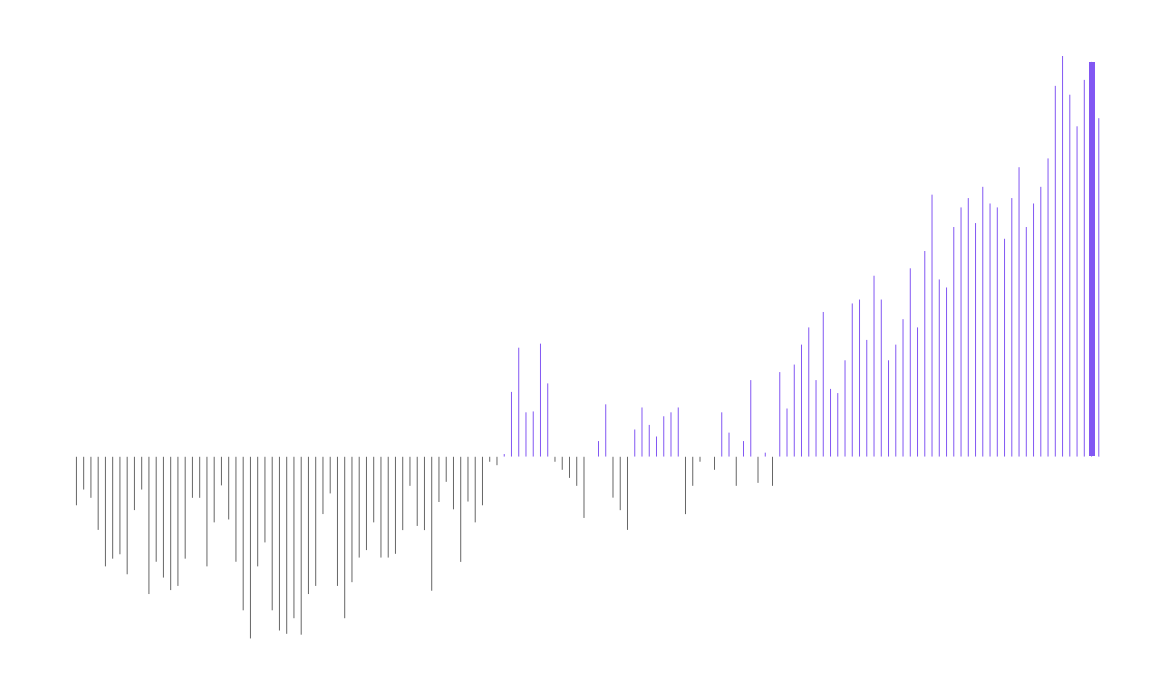
At the point of no return, the polar ice will melt, increasing sea levels worldwide.
This will release more CO2 and methane into the atmosphere. All the world’s crops will be affected by changes in the temperature and rainfall patterns. Corn, the third most important cereal for world food production, could be severely affected by a one-quarter drop in production, in addition to other crops whose production would be seriously threatened.
The production and consumption system promotes indiscriminate exploitation of natural resources and ecosystems.
Humans currently consume
100,000 tons
of materials every year.
Which is equivalent to
50,000 cars.
This has contributed to a
1 ºC rise
in the planet's temperature
54%
of global energy sources are consumed by the manufacturing industries.
31%
of gas emissions are generated in manufacturing processes.
8,000,000
tons of plastic end up in the ocean every year.
1,000,000
plastic bottles are bought every minute.
We have surpassed the capacity of ecosystems to regenerate the planet’s resources by
74%
According to the World Wildlife Fund, we use up resources that should last an entire year in 210 days.
Should this trend continue, we will need the resources of 1.7 planets like Earth to survive in the future.
The message is clear: humanity needs a sustainable manufacturing model.
This is Tec de Monterrey's proposal for helping tackle this challenge.
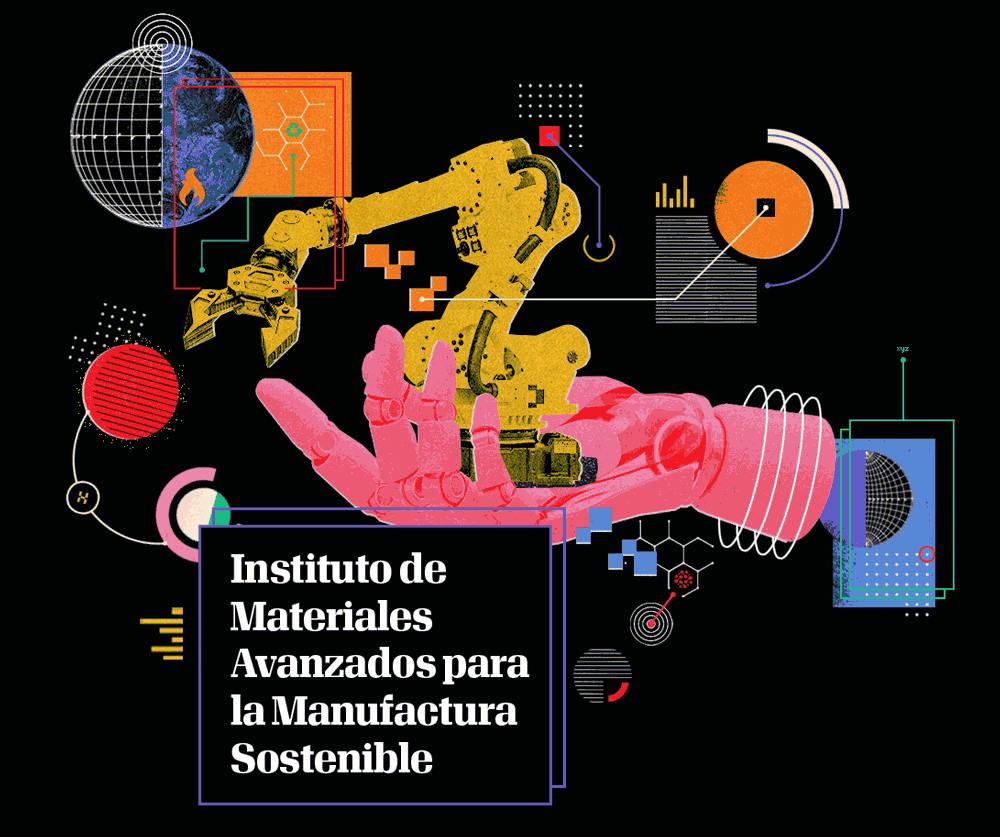

In August 2022, Tec de Monterrey opened its Institute of Advanced Materials for Sustainable Manufacturing, whose purpose is to do applied research on the decarbonization of the manufacturing industry, a sector that represents
17% of Mexico's Gross Domestic Product.
Given that manufacturing is highly resource-intensive, there are areas of opportunity to reduce the consumption of water, energy, and other inputs in manufacturing processes, which would help reduce greenhouse gas emissions.
That is the vision of the Institute of Advanced Materials, which concentrates on the creation of sustainable materials and new production models that integrate emerging technologies like artificial intelligence and data science, as well as disciplines like nanotechnology and biotechnology.
Listen to the director of the Institute of Advanced Materials, Arturo Molina, talk about the decarbonization of the manufacturing industry.
“Manufacturing sustainability can be achieved in two important ways: changing the materials used and smart manufacturing processes to make them as efficient as possible,”
says Arturo Molina, Director of the Institute of Advanced Materials for Sustainable Manufacturing.
“The Institutes are trying to solve an important global issue for humanity,” Molina says, adding, “We could have a major impact on climate change through the decarbonization of manufacturing.”
The Institute is working on several fronts to contribute to this work. First, it is conducting research to redesign some of the base materials in manufacturing processes, such as plastics, metals, and cement, at the molecular level.
However, it also aims to become a center for experimentation with emerging technologies like nanotechnology, biotechnology, and artificial intelligence so that the processes of industrial companies become more resource efficient, in addition to creating intelligent production systems based on advanced analytics.
Listen to the director of the Institute of Advanced Materials, Arturo Molina, talk about the need to create new manufacturing processes.
Finally, the Institute is also working on suggesting public policies that obligate companies to use environmentally friendly materials which tend to have a higher cost than polluting materials and create competitive disadvantages among companies in the same sector.
“Some people already do this, but they are at a disadvantage compared with those who don't because manufacturing becomes more expensive,” he says.
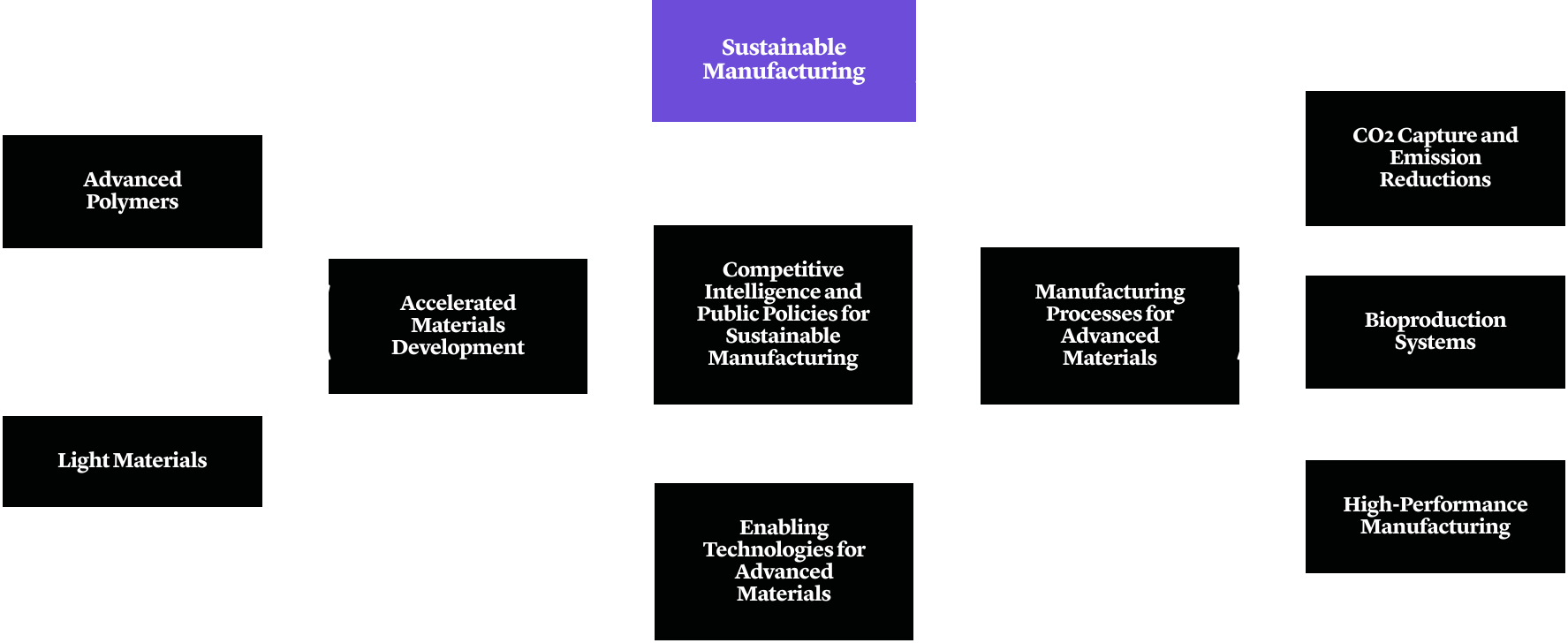
The Institute of Advanced Materials units focus on specific areas to create new manufacturing processes.
(Rotate your device to see the image)
1
Competitive Intelligence and Public Policies for Sustainable Manufacturing

2
Enabling Technologies for the Development of Advanced Materials

3
Accelerated Materials Development.
4
Manufacturing Processes for Advanced Materials.
The World Health Organization (WHO) sees this health condition as the twenty-first century epidemic. These figures help gauge its impact.
Rotate your device to see the image
“If there is a national health problem (in Mexico), it is obesity, which increases the risk of other diseases like diabetes and metabolic syndrome. We are first in Latin America in obesity and childhood obesity,”
says Rocío Díaz de la Garza, researcher at the School of Engineering and Sciences of Tec de Monterrey and leader of the Integrative Biology Unit of The Institute for Obesity Research.
Rotate your device to see the image





Listen to Rocío Díaz de la Garza, head of the Integrative Biology Unit at the Institute for Obesity Research, talk about this institute’s interdisciplinary work.
This holistic approach aims to attack the problem with strategic projects ranging from the development of healthy foods at affordable prices to genomic medicine research for a better understanding of the factors that influence metabolic diseases in Mexicans and, by extension, Latin Americans.
This institute also does work associated with predictive medicine by offering technological innovations for the creation of devices that use digital data on people’s health for more effective monitoring and diagnosis.
Rotate your device to see the image
Only 26% of the students who began their elementary education in the 2005-2006 school year went on to get an undergraduate degree in 2022.
Rotate your device to see the image
Rotate your device to see the image
Rotate your device to see the image
According to the OECD, a well-educated and skilled population is essential to a country’s social and economic wellbeing. However, the education gap has grown even larger in the last three years as a result of Covid-19.
The Mexican Institute for Competitiveness asserts that education gaps imply economic costs for a society. At the individual level, workers have less access to better paying jobs. According to the World Bank, this problem causes average students to lose 8% of their future annual income.
Moreover, the UNESCO asserts that a lack of quality, inclusive, and equitable education prevents countries from achieving gender equality and breaking the cycle of poverty that leaves millions of people in its wake.
How does Tec de Monterrey propose to deal with this challenge that condemns a large part of the Mexican population to marginalization?
In 2020, an unprecedented pandemic changed everyone’s life forever.
With more than 657 million confirmed cases and 6.6 million deaths worldwide (as of December 2022), Covid-19 forced lockdowns on everyone around the world. The challenge for the education community was enormous and the consequences were not long in coming.
According to World Bank data, the crisis paralyzed education systems worldwide and school closures affected more than 1.6 billion students.
According to a report from México Evalúa and Tec de Monterrey, lockdown affected 36.6 million students and more than 2.1 million teachers in Mexico.
José Escamilla, associate director of the Institute for the Future of Education at Tec de Monterrey, says that both the learning gap and school dropout rates have worsened in the wake of the pandemic.
Now might be the time to look for a new educational paradigm.
In response to this situation, the Tec created the Institute for the Future of Education in 2020, whose mission is to lay the foundations of a new model based on the generation of interdisciplinary knowledge, innovation, and entrepreneurship.
“Your education is so important that it has a definitive impact on your professional success for the rest of your life,”
says José Escamilla.
Listen to José Escamilla, associate director of the Institute for the Future of Education at Tec de Monterrey, talk about this educational center's areas of work.
The Institute for the Future of Education has prioritized its work in five key areas with the aim of changing the face of education in Mexico.

1
Improve learning outcomes through student motivation and participation.

2
Commit to competency-based education systems.
3
Give people support when changing jobs to promote social mobility.

4
Implement high-quality education that can be rolled out to other regions.
5
Create a more advantageous, affordable, and accessible educational system that makes more efficient use of resources.
The challenge of education is not only about bridging the digital divide or reducing dropout rates, but also about ensuring new skills and better jobs because the emerging technologies of the Fourth Industrial Revolution will replace millions of jobs.
Listen to José Escamilla, associate director of the Institute for the Future of Education at Tec de Monterrey, talk about the new job skills that are becoming increasingly relevant today.
The vision of these three research institutes is to improve the lives of millions of people and lay the foundations for a sustainable future. Science is undoubtedly the ideal way to achieve this.