×

Sign up to our weekly newsletter

Subscribe!

School of Architecture Art and Design

Sort by:

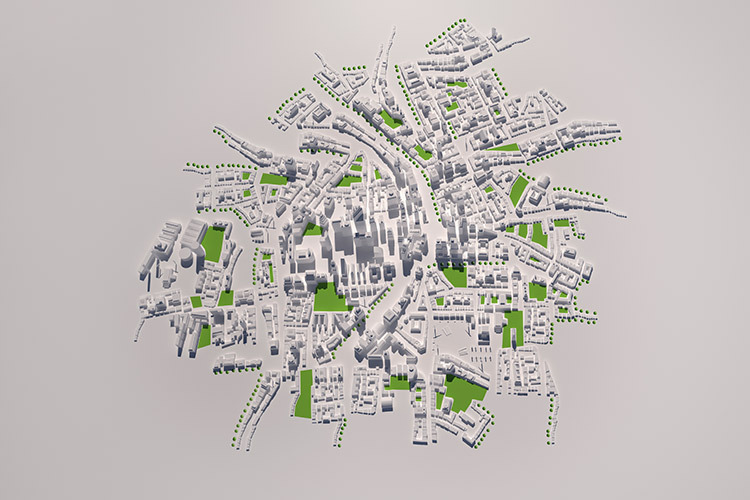
an illustration of a city
A study analyzing five urban plans for Monterrey reveals that, although Mexican cities aspire to become more sustainable, smart, and resilient, their projects often lack the indicators, budgets, and monitoring mechanisms needed to translate proposals into concrete actions.
Photo of a maize stalk
A pre-sowing treatment combines ultraviolet radiation and spirulina to strengthen native maize seeds and explore more sustainable alternatives for agricultural production.
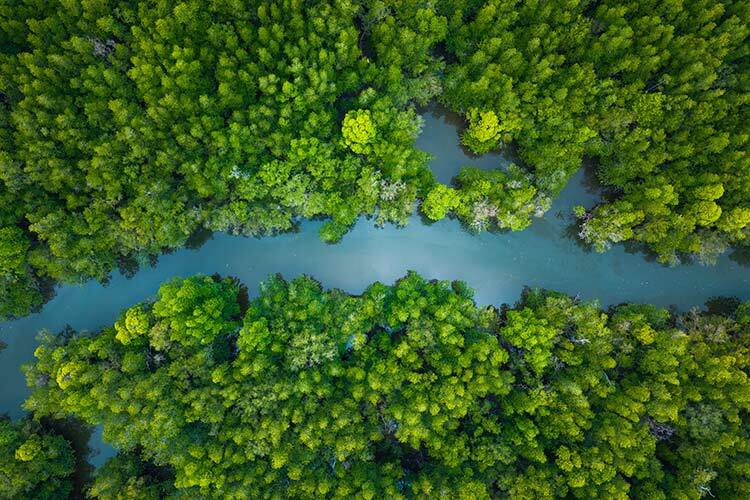
Aerial photograph of a mangrove forest
A project seeks to turn residents and visitors of Bahía de Banderas into mangrove guardians through role-playing games, dialogue, and collaborative art that foster empathy for the species inhabiting this ecosystem.
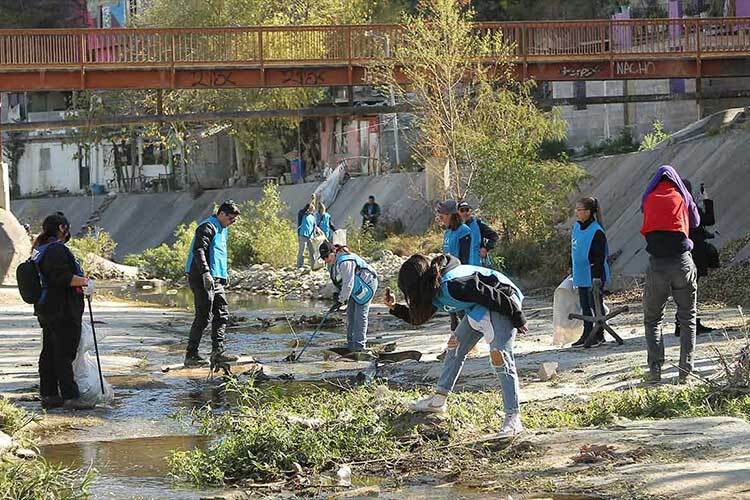
Arroyo Seco waste collection
A Tec de Monterrey study examines how waste pickers recover materials from Arroyo Seco and reveals why low-value waste and construction debris continue to accumulate in the stream.
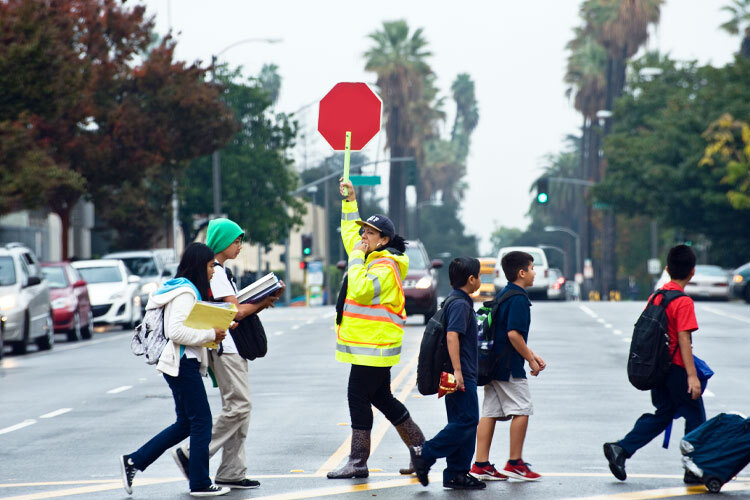
Movilab Escolar
Researchers are evaluating the benefits of mobility programs in Latin America and working to reduce road traffic crashes.
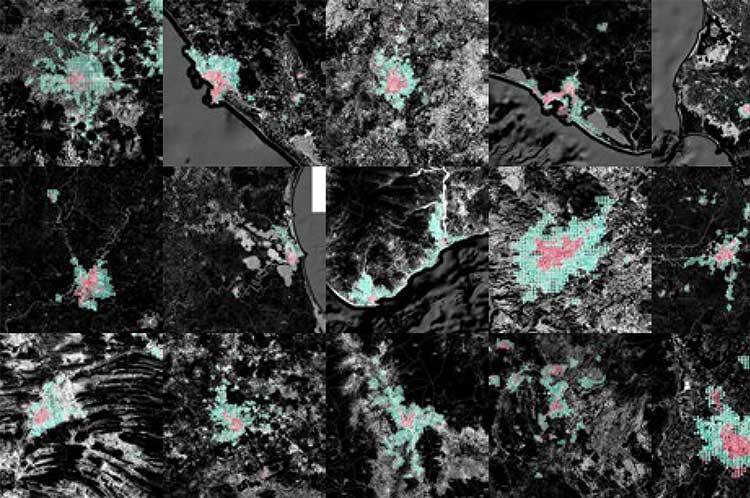
Satellite image mosaic of nine Mexican cities showing urban areas in pink and expansion areas in green.
A study by Tec de Monterrey and the Complexity Science Hub reveals that 69 Mexican cities lost population in their city centers, lengthening residents' daily commutes.
ecosystem restoration
Restoring an ecosystem like the Seco–San Agustín Creek can take several decades, but this project aims to lay the foundation for long-term transformation.
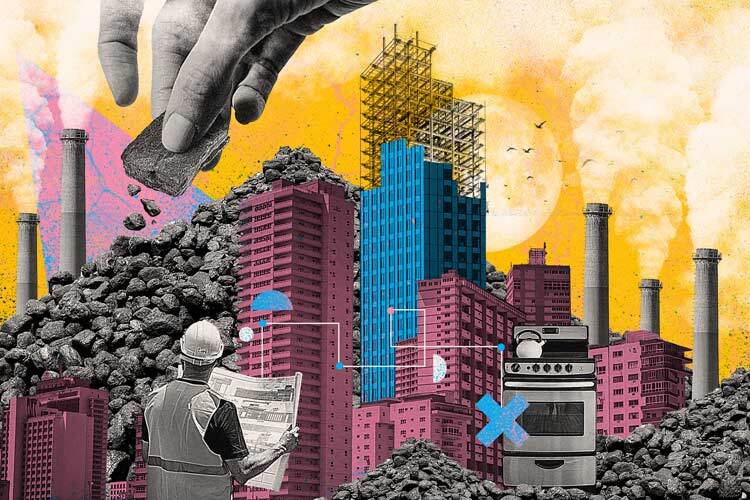
colorful illustration of buildings
Researchers are helping vulnerable communities in Mexico reduce household carbon emissions through community-led energy transition strategies.
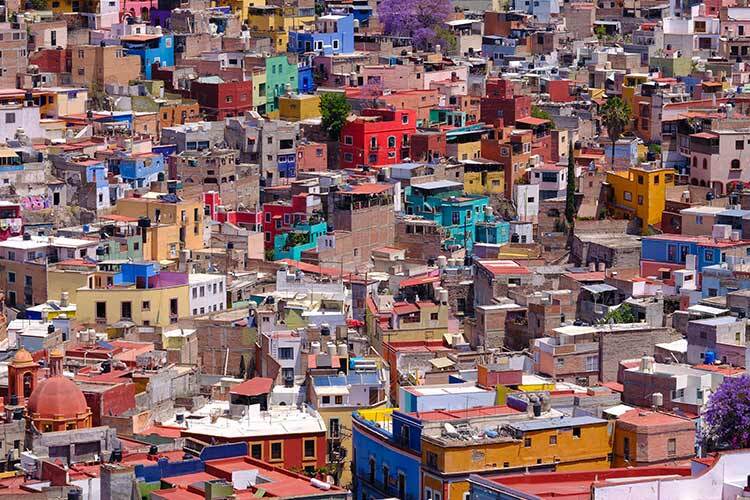
photograph of densely populated and colorful urban settlements
A comparative study between Monterrey and Soacha reveals that urban informality is not a fixed category, but a process shaped by public policies, inequality, and access to housing.
Map of the northern hemisphere with intense colors in red, orange and blue representing high temperatures.
An international group of researchers is developing an index with different variables that identifies the levels of impact among the population.

School of Architecture Art and Design

an illustration of a city
A study analyzing five urban plans for Monterrey reveals that, although Mexican cities aspire to become more sustainable, smart, and resilient, their projects often lack the indicators, budgets, and monitoring mechanisms needed to translate proposals into concrete actions.
Photo of a maize stalk
A pre-sowing treatment combines ultraviolet radiation and spirulina to strengthen native maize seeds and explore more sustainable alternatives for agricultural production.
Aerial photograph of a mangrove forest
A project seeks to turn residents and visitors of Bahía de Banderas into mangrove guardians through role-playing games, dialogue, and collaborative art that foster empathy for the species inhabiting this ecosystem.
Arroyo Seco waste collection
A Tec de Monterrey study examines how waste pickers recover materials from Arroyo Seco and reveals why low-value waste and construction debris continue to accumulate in the stream.
Movilab Escolar
Researchers are evaluating the benefits of mobility programs in Latin America and working to reduce road traffic crashes.
Satellite image mosaic of nine Mexican cities showing urban areas in pink and expansion areas in green.
A study by Tec de Monterrey and the Complexity Science Hub reveals that 69 Mexican cities lost population in their city centers, lengthening residents' daily commutes.
ecosystem restoration
Restoring an ecosystem like the Seco–San Agustín Creek can take several decades, but this project aims to lay the foundation for long-term transformation.
colorful illustration of buildings
Researchers are helping vulnerable communities in Mexico reduce household carbon emissions through community-led energy transition strategies.
photograph of densely populated and colorful urban settlements
A comparative study between Monterrey and Soacha reveals that urban informality is not a fixed category, but a process shaped by public policies, inequality, and access to housing.
Map of the northern hemisphere with intense colors in red, orange and blue representing high temperatures.
An international group of researchers is developing an index with different variables that identifies the levels of impact among the population.

Sign up to our weekly newsletter!

Scientists, innovation and the stories that explain it all.