×

Sign up to our weekly newsletter

Subscribe!

Education and Humanism

Sort by:

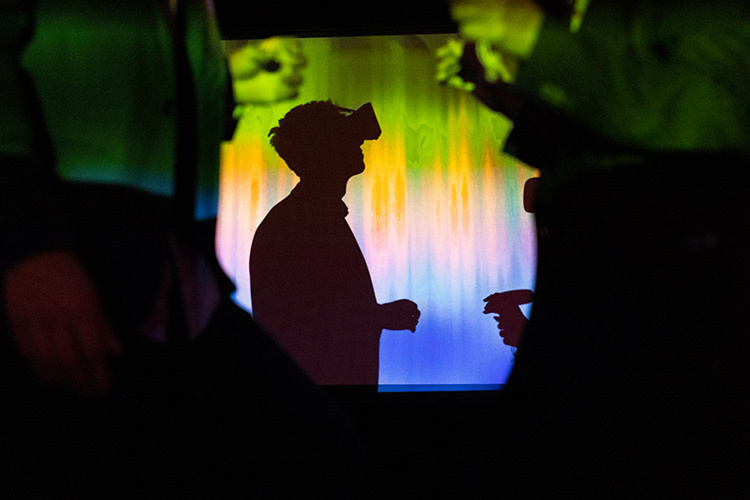
Photograph of someone using VR technology.
A study by Tec de Monterrey compared a semi-immersive experience with a traditional humanities class to analyze how students' sense of presence and their brain and physiological responses change.
3D soundscapes
An experiment involving 60 people examined how four soundscapes rendered in 3D audio influence participants’ anxiety and physiological responses.
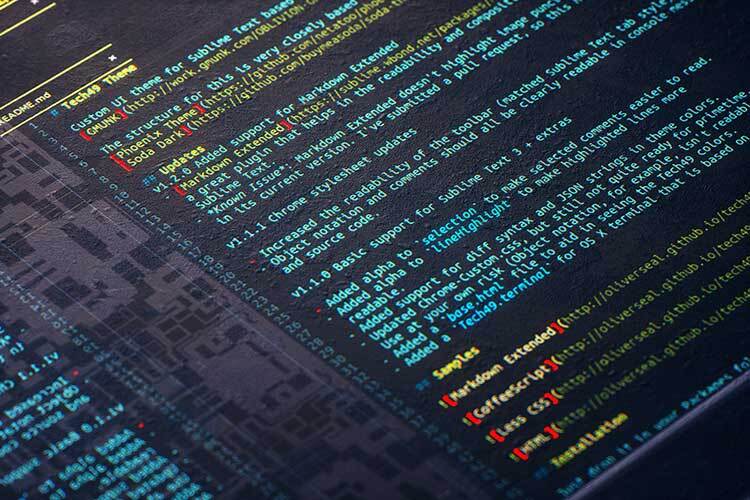
Photograph of color-coded computer code.
A study involving 311 programming students in Mexico found that the easier they perceive the use of tools like ChatGPT to be, the greater their confidence, perceived benefit, and frequency of use.
AI governance
An assessment conducted across seven universities in Latin America found that the use of generative AI tools has already become part of everyday academic life, yet institutions still lack the policies, shared standards, and institutional capacity needed to adopt them in an ethical and responsible way.
Illustration of a hand holding a ballot
A study by Tec de Monterrey analyzes how fear narratives, known as satanic panic, may have temporarily influenced the Republican vote in the United States.
Illustration of a spotlight and a magnifying glass examining a hand with money
Existing indicators focus almost exclusively on bribery, and there is no concrete definition of exactly what achieving a reduction means.
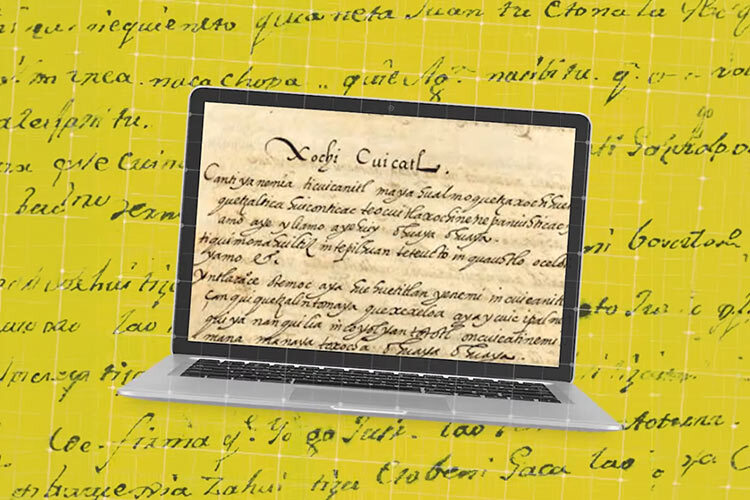
Researchers Develop AI Tools to Transcribe and Analyze 320,000 Colonial-Era Manuscripts.
A team developed a digital platform and a 10-hour course designed not to tell business owners what to do, but to help them build the skills they need to adapt.
The project includes the development of a digital platform where historically underrepresented communities can create, publish, and share their own stories.
Researchers at Tecnológico de Monterrey developed an index that helps measure the risk of developing functional limitations among Mexican adults.

Education and Humanism

Photograph of someone using VR technology.
A study by Tec de Monterrey compared a semi-immersive experience with a traditional humanities class to analyze how students' sense of presence and their brain and physiological responses change.
3D soundscapes
An experiment involving 60 people examined how four soundscapes rendered in 3D audio influence participants’ anxiety and physiological responses.
Photograph of color-coded computer code.
A study involving 311 programming students in Mexico found that the easier they perceive the use of tools like ChatGPT to be, the greater their confidence, perceived benefit, and frequency of use.
AI governance
An assessment conducted across seven universities in Latin America found that the use of generative AI tools has already become part of everyday academic life, yet institutions still lack the policies, shared standards, and institutional capacity needed to adopt them in an ethical and responsible way.
Illustration of a hand holding a ballot
A study by Tec de Monterrey analyzes how fear narratives, known as satanic panic, may have temporarily influenced the Republican vote in the United States.
Illustration of a spotlight and a magnifying glass examining a hand with money
Existing indicators focus almost exclusively on bribery, and there is no concrete definition of exactly what achieving a reduction means.
Researchers Develop AI Tools to Transcribe and Analyze 320,000 Colonial-Era Manuscripts.
A team developed a digital platform and a 10-hour course designed not to tell business owners what to do, but to help them build the skills they need to adapt.
The project includes the development of a digital platform where historically underrepresented communities can create, publish, and share their own stories.
Researchers at Tecnológico de Monterrey developed an index that helps measure the risk of developing functional limitations among Mexican adults.

Sign up to our weekly newsletter!

Scientists, innovation and the stories that explain it all.