×

Sign up to our weekly newsletter

Subscribe!

EN

|

ES

Search

Inés Gutiérrez Jaber

Sort by:

The image shows a series of illustrations of different parts of the human body. The illustrations are done in a simple and linear style, with black lines on a white background. The body parts shown are: A uterus An eye A heart A molecule
Understanding the mechanisms behind this protection could help explain why menopausal women suffer more from obesity-related damage.
A pregnant woman sitting on a sofa with her hand on her forehead. The woman has a worried expression on her face and is looking down.
Childhood adversity has molecular, cellular, neurobiological, epigenetic, and behavioral effects that last into adulthood.
photography of Bacilli bacteria present in artisanal Cotija cheese.
Maricarmen Quirasco has dedicated much of her research to understanding the bacterial community of two Mexican artisanal products.
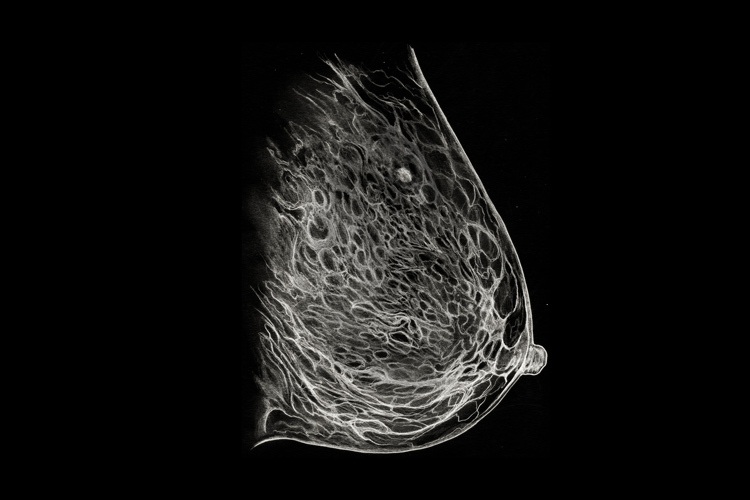
Illustration of human mammary glands
Mexican researchers seek to provide a comprehensive and case-specific treatment for young women with breast cancer.
Photograph of a man in a suit posing for the camera
Ryan Baker, an expert in the use of generative AI in education, explains how it can improve the teaching-learning process.
Photograph of Rose Luckin
The professor, who has researched for more than 30 years different technologies, speaks about how we can take advantage of these new tools.
Photograph of vegetables under UV light
Researchers from the Institute for Obesity Research delve into the health benefits of applying this technique to fruits and vegetables.
"Vibrant cityscape with diverse-height buildings. In the center, a glass of clear water. On the left, a pillbox; on the right, a chart depicting temperature evolution."
Researchers discovered high concentrations in the primary water sources, raising alarms about risks such as an elevated incidence of certain cancer types.
Photograph of a table with fresh vegetables, fruits and eggs.
Researchers analyze the lack of accessibility to healthy food on the outskirts of the city and how to address it with urban gardens.

Inés Gutiérrez Jaber

The image shows a series of illustrations of different parts of the human body. The illustrations are done in a simple and linear style, with black lines on a white background. The body parts shown are: A uterus An eye A heart A molecule
Understanding the mechanisms behind this protection could help explain why menopausal women suffer more from obesity-related damage.
A pregnant woman sitting on a sofa with her hand on her forehead. The woman has a worried expression on her face and is looking down.
Childhood adversity has molecular, cellular, neurobiological, epigenetic, and behavioral effects that last into adulthood.
photography of Bacilli bacteria present in artisanal Cotija cheese.
Maricarmen Quirasco has dedicated much of her research to understanding the bacterial community of two Mexican artisanal products.
Illustration of human mammary glands
Mexican researchers seek to provide a comprehensive and case-specific treatment for young women with breast cancer.
Photograph of a man in a suit posing for the camera
Ryan Baker, an expert in the use of generative AI in education, explains how it can improve the teaching-learning process.
Photograph of Rose Luckin
The professor, who has researched for more than 30 years different technologies, speaks about how we can take advantage of these new tools.
Photograph of vegetables under UV light
Researchers from the Institute for Obesity Research delve into the health benefits of applying this technique to fruits and vegetables.
"Vibrant cityscape with diverse-height buildings. In the center, a glass of clear water. On the left, a pillbox; on the right, a chart depicting temperature evolution."
Researchers discovered high concentrations in the primary water sources, raising alarms about risks such as an elevated incidence of certain cancer types.
Photograph of a table with fresh vegetables, fruits and eggs.
Researchers analyze the lack of accessibility to healthy food on the outskirts of the city and how to address it with urban gardens.

Sign up to our weekly newsletter!

Scientists, innovation and the stories that explain it all.