×

Sign up to our weekly newsletter

Subscribe!

EN

|

ES

Search

Inés Gutiérrez Jaber

Sort by:

Aerial photo of a group of greenhouses
Smart greenhouses and advanced monitoring systems are transforming agriculture in Mexico, making crops more efficient, sustainable, and productive.
animal testing
Despite progress in reducing the use of these sentient beings in testing, the search to replace them in research has not advanced as rapidly as one would hope.
Illustration of amyloid plaques accumulated between neurons, one of the main hallmarks of Alzheimer's disease. Excess amyloid plaques disrupt neuronal communication and lead to loss of connections.
Advances in diagnosis, treatment, and prevention are increasingly promising, although many unknowns remain.
Sor Juana IA
In Mexico, the Supreme Court of Justice of the Nation launched a tool that makes it easier for everyone to understand certain judicial processes.
photograph of a city filled with turists
Since the pandemic, more foreigners have arrived in Mexico City, contributing to the displacement of local residents and the rising cost of living in the central region.
a photograph of a person writing in a diary
A group of researchers and health professionals published a guided diary that can help those who suffer an eating disorder.
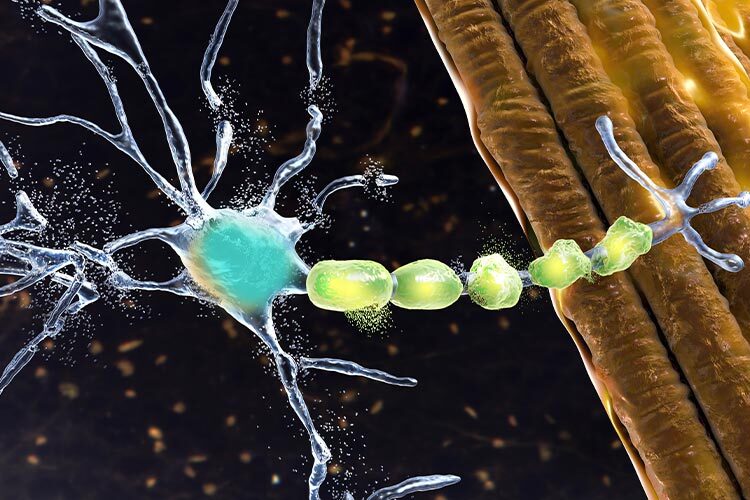
illustration of the synapse between two neurons
A decades-long line of research has found that rising levels of this lipid is linked to neurodegenerative diseases, such as Alzheimer's.
animated photograph of pancreatic cancer tumors
In an initial clinical trial, an experimental vaccine successfully activated immune defenses to prevent relapses of pancreatic and colorectal cancer.
image of a person with a tapemeter sizing a child waste
A recent study suggests that Body Mass Index (BMI), one of the most widely used health tools, may not always be reliable for detecting metabolic risk.
Illustration showing the use of chimeric antigen receptor (CAR) T cells (pink) to treat pancreatic cancer (blue).
Advanced therapies, such as CAR-T cells, hold promise for treating diseases we never thought possible.

Inés Gutiérrez Jaber

Aerial photo of a group of greenhouses
Smart greenhouses and advanced monitoring systems are transforming agriculture in Mexico, making crops more efficient, sustainable, and productive.
animal testing
Despite progress in reducing the use of these sentient beings in testing, the search to replace them in research has not advanced as rapidly as one would hope.
Illustration of amyloid plaques accumulated between neurons, one of the main hallmarks of Alzheimer's disease. Excess amyloid plaques disrupt neuronal communication and lead to loss of connections.
Advances in diagnosis, treatment, and prevention are increasingly promising, although many unknowns remain.
Sor Juana IA
In Mexico, the Supreme Court of Justice of the Nation launched a tool that makes it easier for everyone to understand certain judicial processes.
photograph of a city filled with turists
Since the pandemic, more foreigners have arrived in Mexico City, contributing to the displacement of local residents and the rising cost of living in the central region.
a photograph of a person writing in a diary
A group of researchers and health professionals published a guided diary that can help those who suffer an eating disorder.
illustration of the synapse between two neurons
A decades-long line of research has found that rising levels of this lipid is linked to neurodegenerative diseases, such as Alzheimer's.
animated photograph of pancreatic cancer tumors
In an initial clinical trial, an experimental vaccine successfully activated immune defenses to prevent relapses of pancreatic and colorectal cancer.
image of a person with a tapemeter sizing a child waste
A recent study suggests that Body Mass Index (BMI), one of the most widely used health tools, may not always be reliable for detecting metabolic risk.
Illustration showing the use of chimeric antigen receptor (CAR) T cells (pink) to treat pancreatic cancer (blue).
Advanced therapies, such as CAR-T cells, hold promise for treating diseases we never thought possible.

Sign up to our weekly newsletter!

Scientists, innovation and the stories that explain it all.