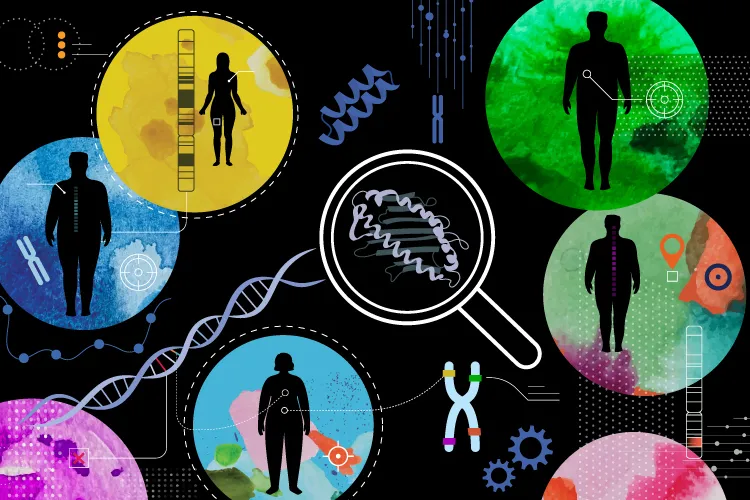


Starting in the 1980s, the word “transgenic” became a source of fascination, fear, and uncertainty, driven by advances in genetic engineering. However, the concept behind genetically modified organisms (GMOs) is not new; it is a practice that has existed for thousands of years.
Humans have long been involved in modifying the genomes of plants and animals through hybridization techniques or by selecting favorable traits through observation, a process that often took years.
Beginning in 1973, when the first genetic engineering techniques were developed, modern biotechnology emerged and has since produced various types of genetically modified organisms, ranging from plants, seeds, and fruits to animals. These achievements were made possible largely by the identification of the structure of DNA in 1953.
What is a Transgenic Organism?
In simple terms, a transgenic organism is an organism or cell whose genome has been altered through the artificial introduction of one or more DNA sequences from another species. Transgenic organisms, however, are typically generated in laboratories for research purposes, according to the National Human Genome Research Institute.
Is a transgenic organism the same as a genetically modified organism?
A genetically modified organism (GMO) is a broader category that includes any organism whose DNA has been altered using biotechnological techniques, regardless of whether the change involves introducing genes from another species or simply editing its own genome.
For example, a plant whose DNA has been edited to grow faster without adding external genes is also a GMO, but not necessarily a transgenic organism.
What Foods are Transgenic?
Transgenic plants have generally been commercially available since 1996. However, approving these organisms for human or animal consumption requires an assessment protocol to demonstrate their safety, according to the book Transgénicos, grandes beneficios, ausencia de daños y mitos, published in 2017 by El Colegio Nacional and coordinated by Francisco Bolívar Zapata.
It is estimated that at least 35 countries partially allow the cultivation of GMO foods, including Argentina, Brazil, Canada, Chile, Colombia, Costa Rica, the Czech Republic, Honduras, Malawi, Mexico, Myanmar, Nigeria, Pakistan, Paraguay, the Philippines, Portugal, South Africa, Slovakia, Spain, Sudan, Eswatini, the United States, Uruguay, Vietnam, Zambia, Kenya, Zimbabwe, Burkina Faso, and Cuba.
Some of the traits found in these GMO foods include resistance to herbicides and pests, improved nutritional quality, and resistance to plant viruses.
What About Transgenic Maize?
Maize domestication dates back around 8,000 years, when early Mesoamerican populations gradually transformed teosinte, its wild relative, through agricultural practices. That ancestral practice now faces potential disruption.
On March 17, 2025, President Claudia Sheinbaum enacted a constitutional reform banning the cultivation of transgenic maize in Mexico.
This measure amends Articles 4 and 27 of the Constitution, establishing that maize grown in the country must be free of genetic modifications that go beyond natural barriers of reproduction or recombination. The reform aims to protect biodiversity, food sovereignty, and biocultural heritage, prioritizing the use of native seeds and traditional agricultural systems such as the milpa.
Although a USMCA dispute panel ruling required Mexico to lift restrictions on imports of U.S. transgenic maize, the government maintained the ban on the domestic cultivation of these varieties.
What Animals are Transgenic?
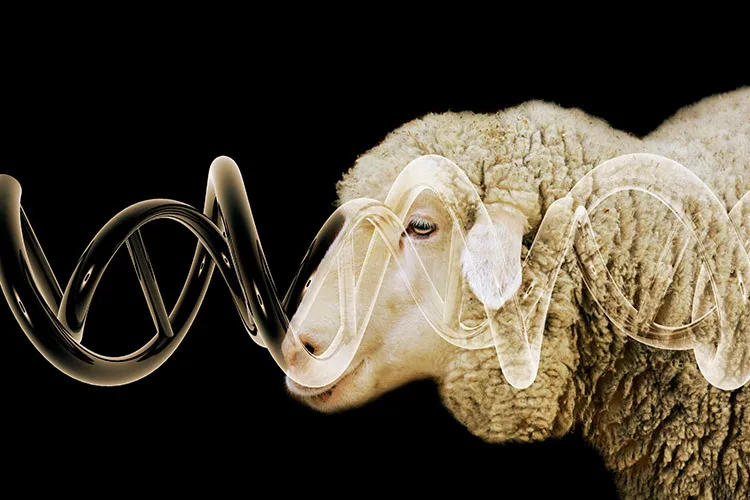
Transgenic animals are those in which a gene of external origin has been inserted and stably and deliberately integrated into the genome of all the organism’s cells, allowing it to be passed on to future generations.
In animals, transgenesis may involve transferring DNA into the organism or altering the animal’s own DNA.
Currently, CRISPR/Cas9 technology facilitates genetic modification at the cellular and organism level by acting as “molecular scissors.” This technique allows these “scissors” to be programmed to recognize specific gene sequences and edit them by replacing segments of DNA with others, effectively substituting one gene for another.
This technology is used worldwide in research to better understand the genetics of living organisms and, in the future, could be used to treat hereditary diseases in humans, among other potential benefits. However, its regulation in research is still under study.
Did you find this story interesting? Would you like to publish it? Contact our content editor to learn more at marianaleonm@tec.mx