×

Sign up to our weekly newsletter

Subscribe!

EN

|

ES

Search

School of Engineering and Sciences

Sort by:

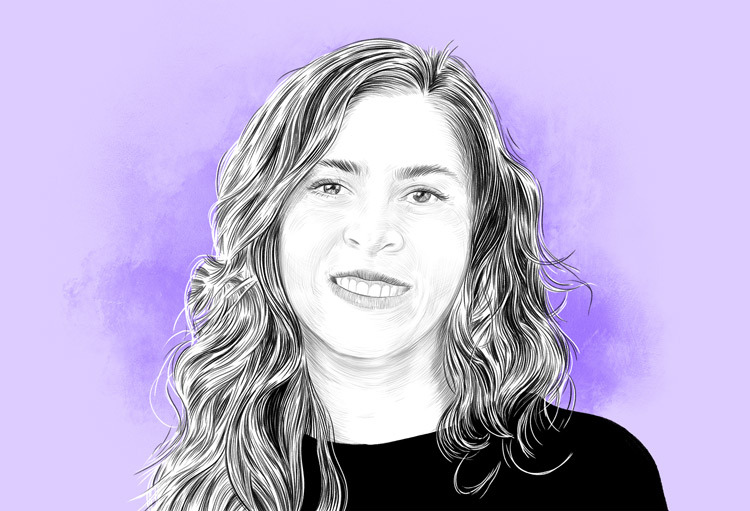
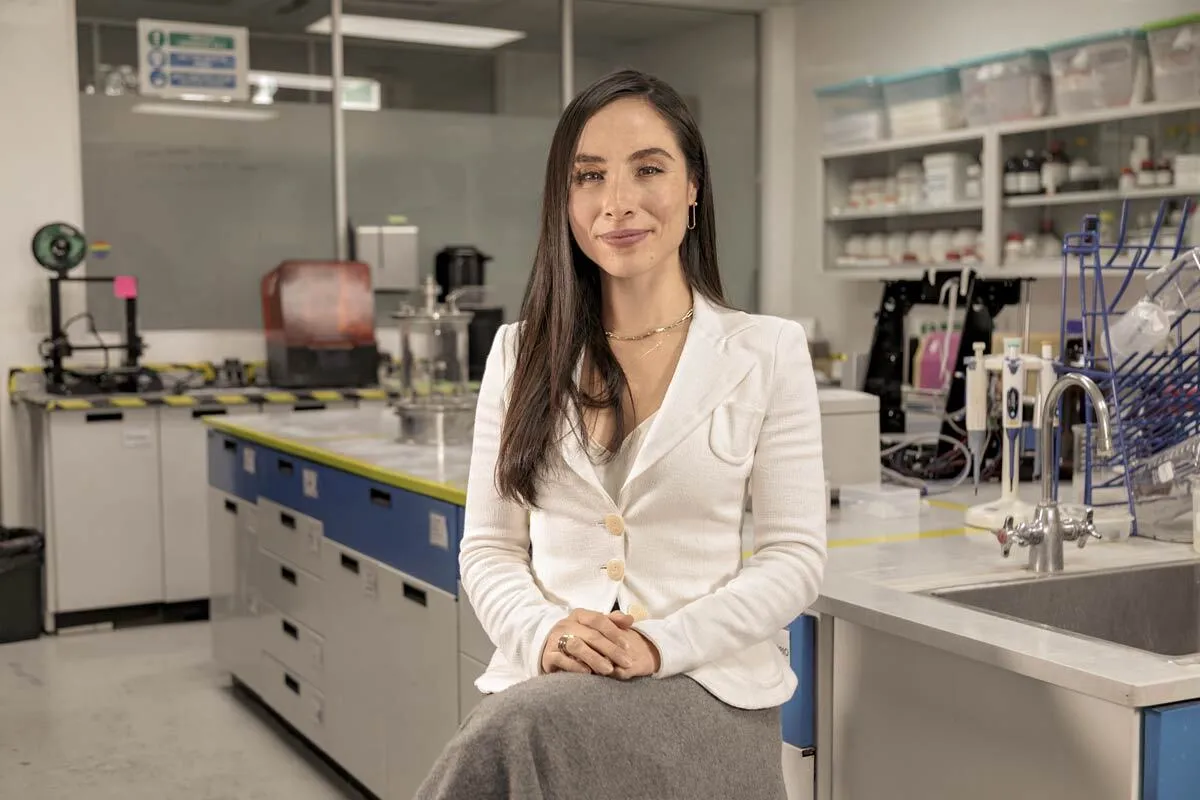
The researcher Grissel Trujillo in her laboratory
Like other scientists, the researcher had to overcome imposter syndrome. Today, she has one of the most promising careers in bioengineering. This is her story.
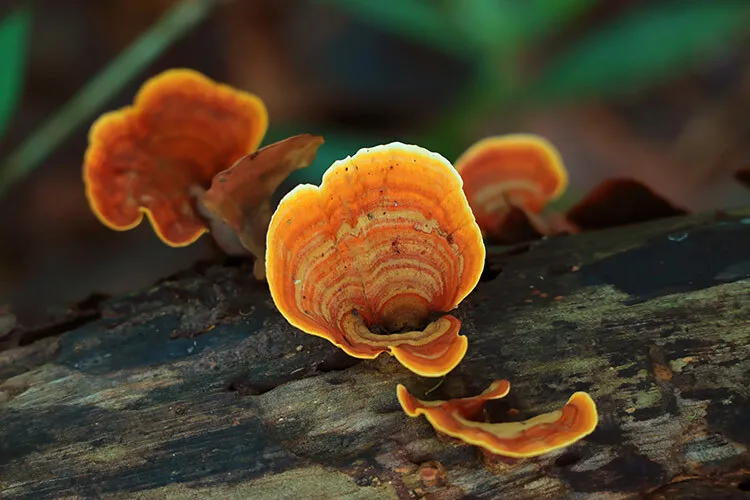
image of fungi in wood
"The idea is to take the tools that nature already has and direct them toward very specific things, like combating water pollution."
The image shows a hand holding a magnifying glass over a sheet of paper. The hand is wearing a white glove and the magnifying glass is made of metal. The paper is blank, except for a small circle in the center. The circle is filled with a dark, inky substance. The image is taken from a high angle, so that the hand and the paper are clearly visible. The background is blurred, so that the focus is on the hand and the paper
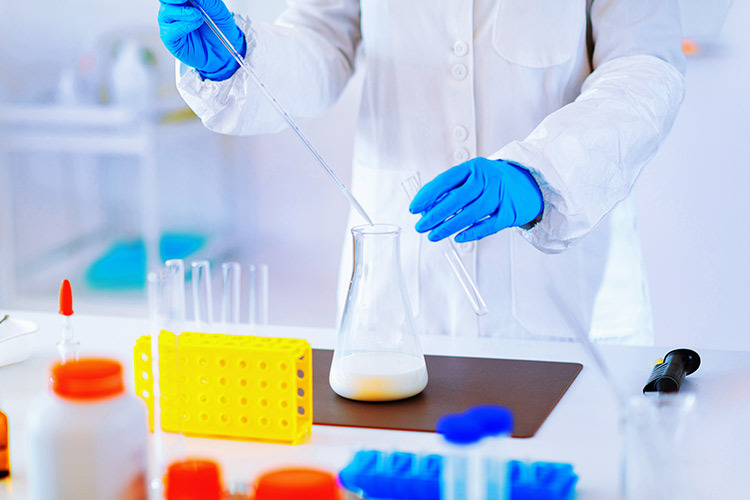
Food additives are included in edibles for technological purposes, such as preserving, adding color, or sweetening.
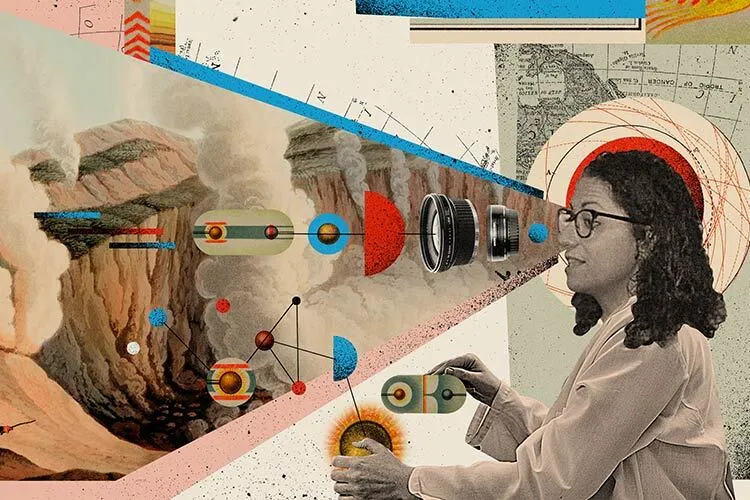
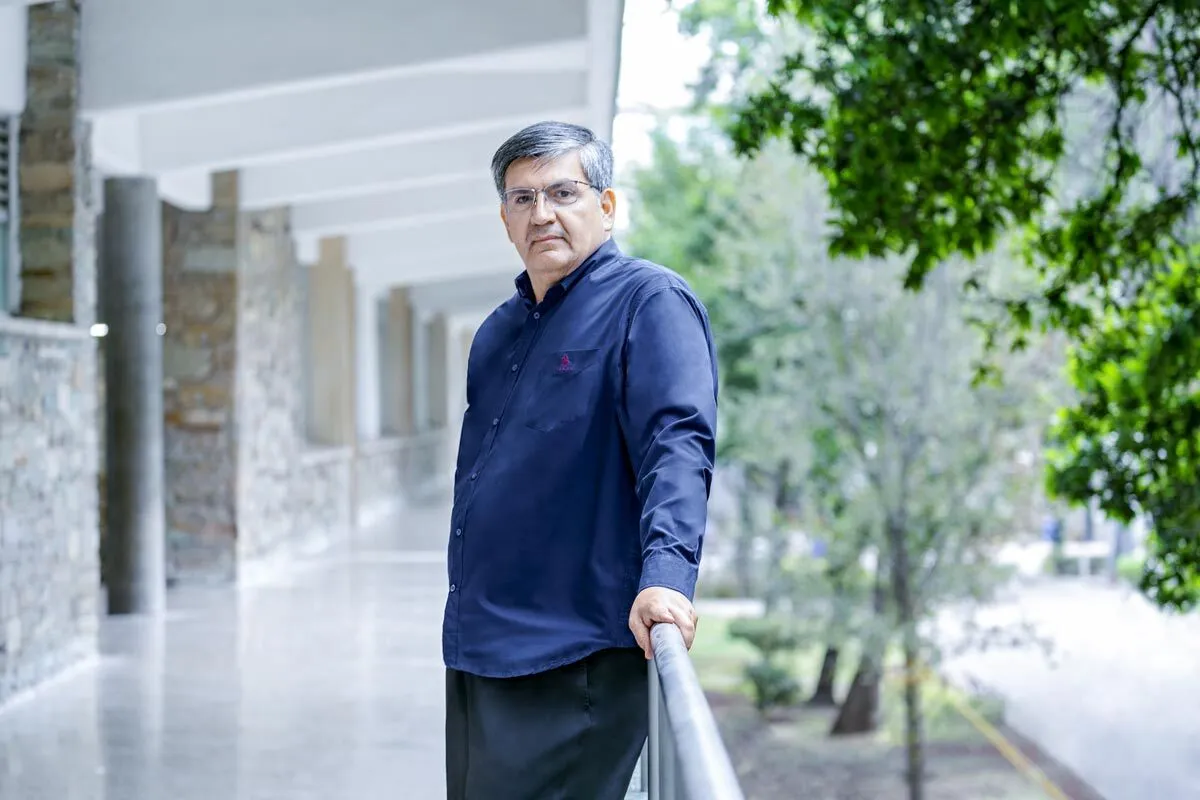
One of the most renowned scientists in our country, a member of Tec’s Faculty of Excellence, CINESTAV, and the National College, talks to us about his childhood fanaticism for masked wrestlers and the importance of stochastic algorithms. 
image of a man in a dressing gown in front of a machine
One of the challenges is the definition of medical equipment, which ranges from toothbrushes to x-ray equipment.
image of wetlands
Treating wastewater with constructed wetlands is a nature-based solution just as efficient as centralized systems.
Researchers analyze them to monitor conditions such as Parkinson's, schizophrenia, depression, or post-traumatic stress.
illustration of connections
These stacking algorithms, which take minimum input and provide more trustworthy predictions, may be effective at decreasing school dropout rates in Mexico.
image of a man
SWRI researcher Matt Kirby talks in an interview about its beginnings, challenges, and future prospects.
image of agave fields
This product was granted a patent in the United States due to its inhibiting the growth of cancer cells over breast and lymphoma cells.

School of Engineering and Sciences

The researcher Grissel Trujillo in her laboratory
Like other scientists, the researcher had to overcome imposter syndrome. Today, she has one of the most promising careers in bioengineering. This is her story.
image of fungi in wood
"The idea is to take the tools that nature already has and direct them toward very specific things, like combating water pollution."
The image shows a hand holding a magnifying glass over a sheet of paper. The hand is wearing a white glove and the magnifying glass is made of metal. The paper is blank, except for a small circle in the center. The circle is filled with a dark, inky substance. The image is taken from a high angle, so that the hand and the paper are clearly visible. The background is blurred, so that the focus is on the hand and the paper
Food additives are included in edibles for technological purposes, such as preserving, adding color, or sweetening.
One of the most renowned scientists in our country, a member of Tec’s Faculty of Excellence, CINESTAV, and the National College, talks to us about his childhood fanaticism for masked wrestlers and the importance of stochastic algorithms. 
image of a man in a dressing gown in front of a machine
One of the challenges is the definition of medical equipment, which ranges from toothbrushes to x-ray equipment.
image of wetlands
Treating wastewater with constructed wetlands is a nature-based solution just as efficient as centralized systems.
Researchers analyze them to monitor conditions such as Parkinson's, schizophrenia, depression, or post-traumatic stress.
illustration of connections
These stacking algorithms, which take minimum input and provide more trustworthy predictions, may be effective at decreasing school dropout rates in Mexico.
image of a man
SWRI researcher Matt Kirby talks in an interview about its beginnings, challenges, and future prospects.
image of agave fields
This product was granted a patent in the United States due to its inhibiting the growth of cancer cells over breast and lymphoma cells.

Sign up to our weekly newsletter!

Scientists, innovation and the stories that explain it all.