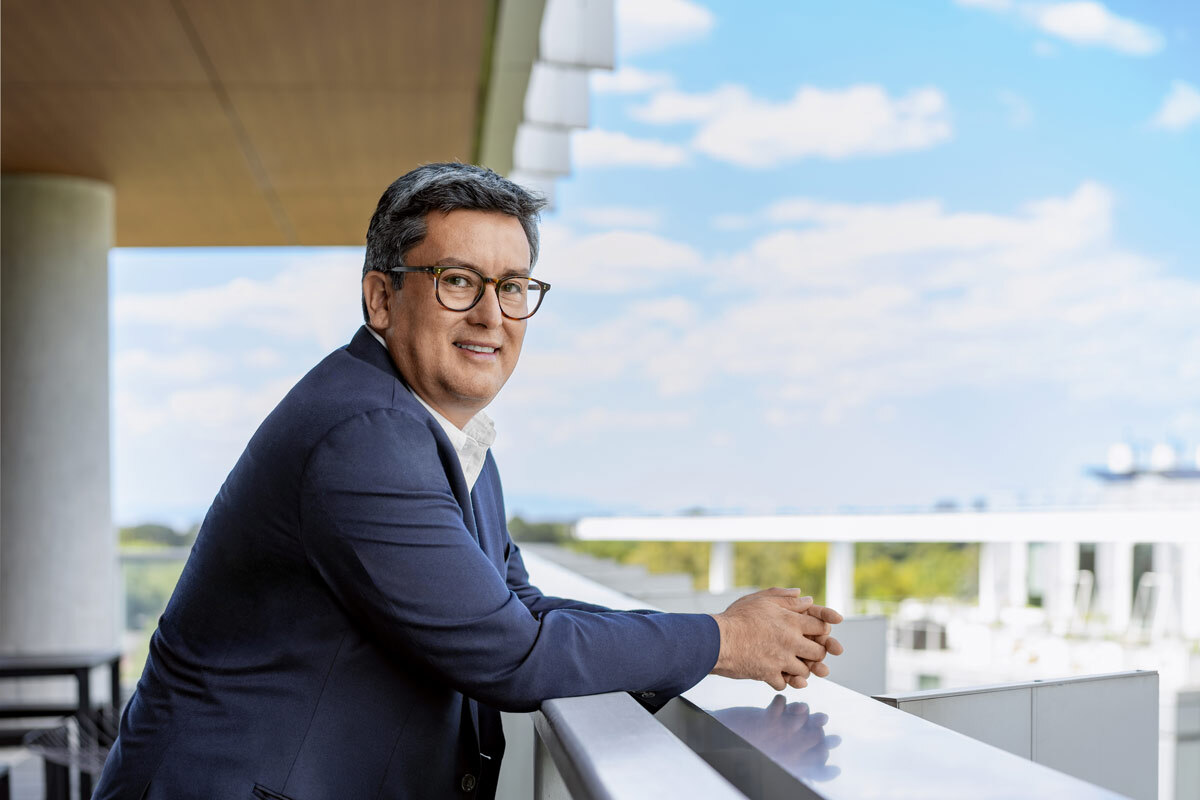
The Research Director of the Center for the Future of Cities uses computational models, data, and artificial intelligence to understand how cities grow and explore new ways to make them more inclusive and sustainable.
During a panel at the fourth Latin American Congress on Social Sciences and Government, a group of researchers discussed the Subnational Politics Project, a platform that gathers data to analyze and compare subnational politics in Latin America.
A study of four Latin American countries reveals that digitally transforming health systems requires—in addition to technology—leadership, funding, and strategies tailored to each context.
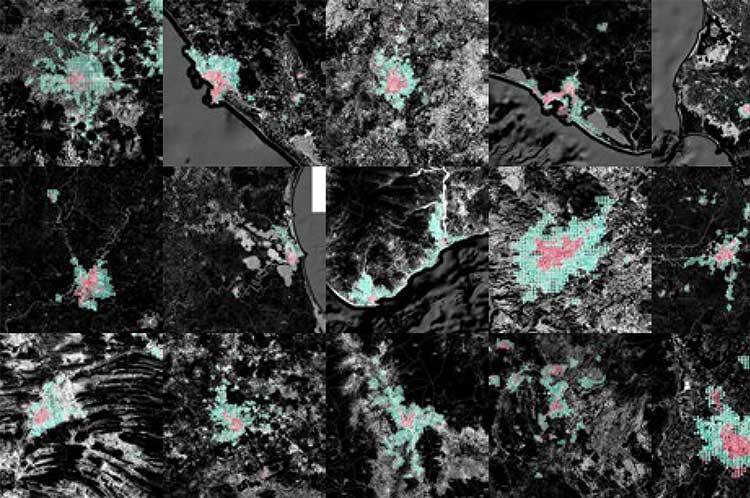
A study by Tec de Monterrey and the Complexity Science Hub reveals that 69 Mexican cities lost population in their city centers, lengthening residents' daily commutes.
A study by Tec de Monterrey analyzes how fear narratives, known as satanic panic, may have temporarily influenced the Republican vote in the United States.
A Tec de Monterrey team analyzed more than 7,500 videos and two million comments from candidates during the 2024 elections to understand how TikTok shapes political conversation in Mexico.
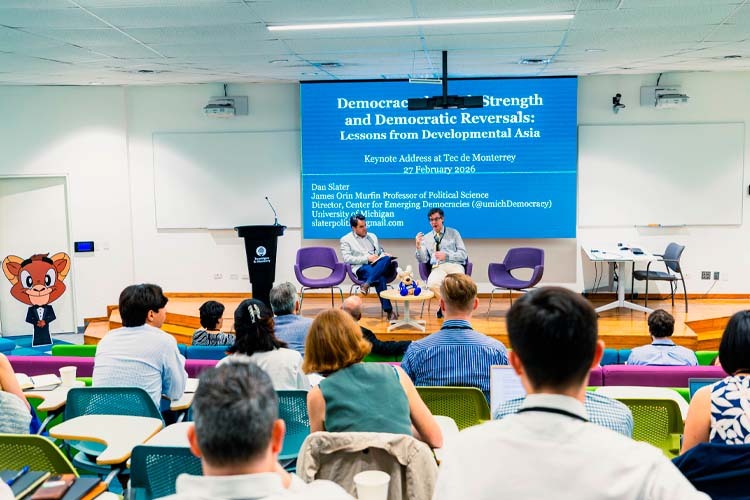
Political scientist Dan Slater argues that the most stable democracies often emerge when authoritarian elites feel politically competitive and economically secure — a framework with implications for Mexico.
At the Center for the Future of Cities at Tecnológico de Monterrey, researchers are developing computational urbanism models to improve urban planning in cities like Mexicali and enhance residents’ quality of life.
Sign up to our weekly newsletter!
Scientists, innovation and the stories that explain it all.