×

Sign up to our weekly newsletter

Subscribe!

EN

|

ES

Search

School of Medicine and Health Sciences

Sort by:

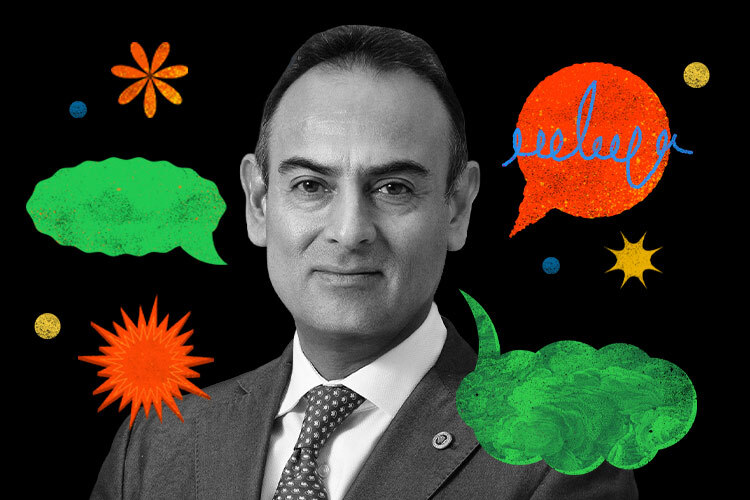
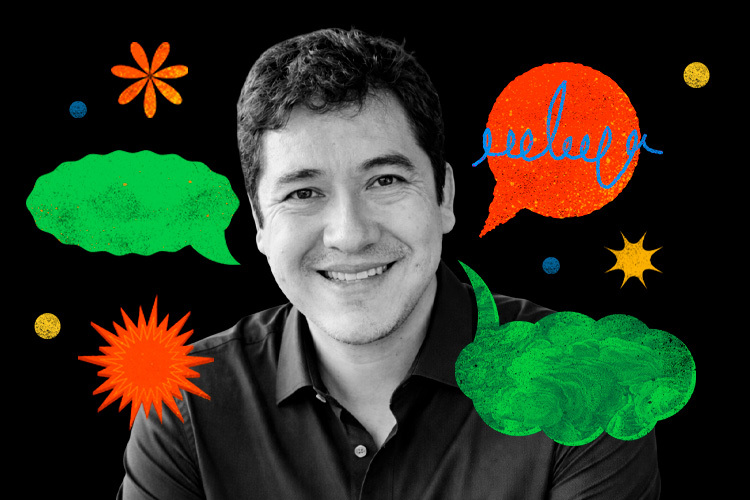
Illustration with picture of Jose Alberto Diaz
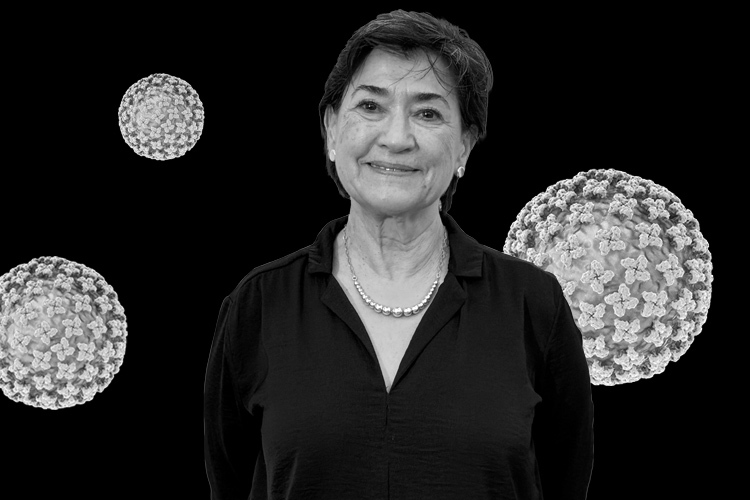
The hantavirus outbreak detected on an international cruise ship is a reminder that emerging diseases depend not only on viruses themselves, but also on global human mobility and scientific response capacity.
Illustration of a hand holding a martini
Growing evidence suggests that consuming alcohol, even in moderate amounts, can harm our health, from damaging DNA to altering the micriobiome.
parenting and mental health overweight
A research team conducted a study using data from 372 families in Mexico City and Campeche.
AI to detect suicide risk
The research team trains the AI model using data from patients who voluntarily participate in a clinical study on the subject.
Illustration with photo of Oscar Arias
Contemporary universities seem to dilute their teaching and scientific vocation amid indicators, rankings, and bureaucracy. Is academia alive, or does it simply operate by inertia? How should it be rebuilt?
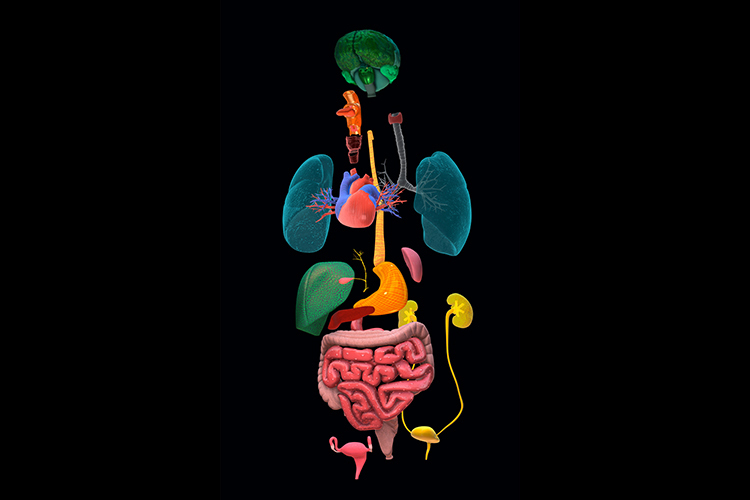
Illustration of a 3D anatomical model of human organs
Surgeons can use these models to practice before a procedure or to determine the size of a tumor.
A book whit scientific elements
Scientific writing is a skill that must be practiced. Two researchers share advice for university students who are beginning their journey into academic publishing.
illustration
The number of retracted scientific articles increased by 900% in a decade. This wave of retractions may undermine the credibility of researchers, institutions, and research centers.
Ethan Dmitrovsky: Servant Leadership and the Future of Translational Oncology
The director of the Frederick National Laboratory for Cancer Research shares his vision of translational oncology, scientific leadership, and the future of cancer during his participation at Tec de Monterrey’s CENI.
Microscopic photograph of a pancreatic islet
A research group is exploring the eye as an immunologically privileged site for developing new therapies. The project is led by Judith Bernal, recipient of the L’Oréal-UNESCO For Women in Science Award.

School of Medicine and Health Sciences

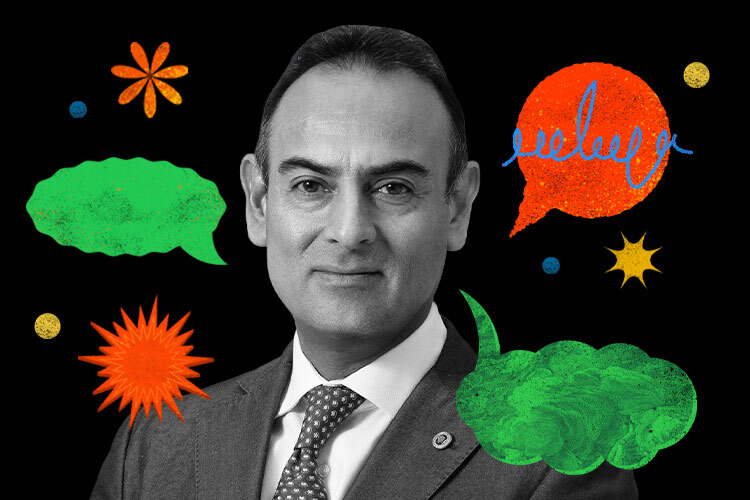
Illustration with picture of Jose Alberto Diaz
The hantavirus outbreak detected on an international cruise ship is a reminder that emerging diseases depend not only on viruses themselves, but also on global human mobility and scientific response capacity.
Illustration of a hand holding a martini
Growing evidence suggests that consuming alcohol, even in moderate amounts, can harm our health, from damaging DNA to altering the micriobiome.
parenting and mental health overweight
A research team conducted a study using data from 372 families in Mexico City and Campeche.
AI to detect suicide risk
The research team trains the AI model using data from patients who voluntarily participate in a clinical study on the subject.
Illustration with photo of Oscar Arias
Contemporary universities seem to dilute their teaching and scientific vocation amid indicators, rankings, and bureaucracy. Is academia alive, or does it simply operate by inertia? How should it be rebuilt?
Illustration of a 3D anatomical model of human organs
Surgeons can use these models to practice before a procedure or to determine the size of a tumor.
A book whit scientific elements
Scientific writing is a skill that must be practiced. Two researchers share advice for university students who are beginning their journey into academic publishing.
illustration
The number of retracted scientific articles increased by 900% in a decade. This wave of retractions may undermine the credibility of researchers, institutions, and research centers.
Ethan Dmitrovsky: Servant Leadership and the Future of Translational Oncology
The director of the Frederick National Laboratory for Cancer Research shares his vision of translational oncology, scientific leadership, and the future of cancer during his participation at Tec de Monterrey’s CENI.
Microscopic photograph of a pancreatic islet
A research group is exploring the eye as an immunologically privileged site for developing new therapies. The project is led by Judith Bernal, recipient of the L’Oréal-UNESCO For Women in Science Award.

Sign up to our weekly newsletter!

Scientists, innovation and the stories that explain it all.