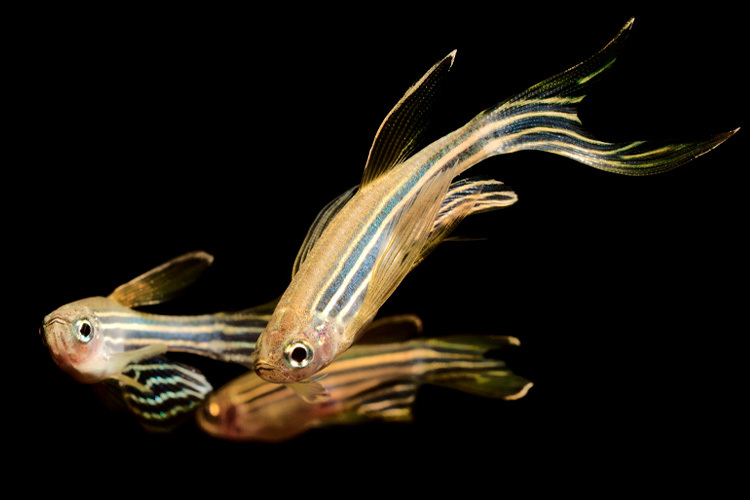

The zebrafish (Danio rerio, family Cyprinidae) is widely used as a research model during its embryonic, larval, and adult stages. One of the main reasons is that roughly 70% of its genome is shared with humans.
Beyond providing insights into how environmental toxins and contaminants affect human health, zebrafish research also helps reduce the use of other animals in laboratory studies.
Zebrafish embryos have become an important model in human biomedical research, including studies on cancer, cardiovascular disease, and drug development.
The species is particularly well suited for toxicokinetic and toxicodynamic research because its genome has been fully sequenced, it has a short generation time, is easy to manipulate genetically, and is compatible with high-throughput screening.
Zebrafish embryos develop externally, making it easy to expose them to environmental contaminants. They also develop rapidly, with all major organ systems formed within 72 hours post-fertilization (hpf).
During these early developmental stages, the embryos are optically transparent, allowing researchers to directly observe biological processes as they unfold.
From the fish tank to the laboratory
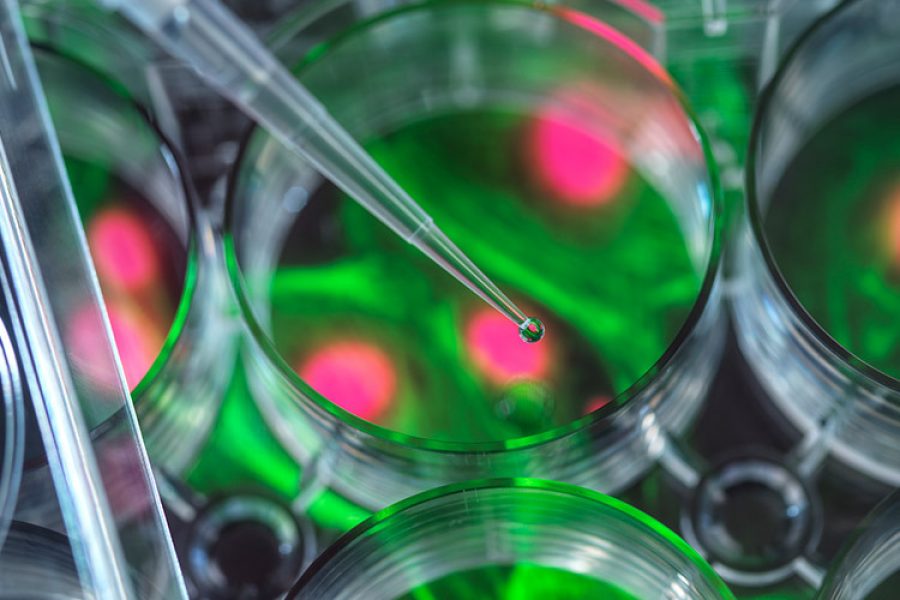
Researchers in the Water 360 Research Group use zebrafish embryos to investigate the toxicological effects of environmental contaminants. Their goal is to identify how mixtures of pollutants affect embryonic development.
The project focuses on surface water collected from Mexican lakes and rivers, evaluating how contaminant mixtures influence zebrafish embryo development. Because natural waters often contain complex combinations of pollutants, simultaneous exposure to multiple chemicals makes both risk assessment and aquatic toxicology far more challenging.
Humans and aquatic organisms are continuously exposed to numerous substances, including both naturally occurring compounds and synthetic chemicals produced intentionally or as industrial byproducts.
Understanding how these substances behave and interact when they coexist within an organism is essential for determining whether those interactions alter their toxic effects.
When contaminants occur together, they may produce additive—or even synergistic—effects that are more harmful than the toxicity of each chemical alone. Concern that these mixtures may cause previously unrecognized or greater-than-expected toxicity in both aquatic organisms and humans prompted the research team to investigate how environmental contaminants interact.
The project addresses growing concern over the health effects of chemical mixtures, whose impacts can differ substantially from those of individual contaminants. The challenge is compounded by the lack of local and national regulations, as well as standardized testing protocols, even though international organizations such as the World Health Organization (WHO), the Organisation for Economic Co-operation and Development (OECD), the U.S. Environmental Protection Agency (EPA), and the European Food Safety Authority (EFSA) have issued guidance on the subject.
In this context, short-term studies using zebrafish embryos are particularly valuable because they capture early biological responses to contaminant exposure in a relatively cost-effective way while providing insight into the underlying biological mechanisms.
When combined with omics technologies—approaches that simultaneously analyze large numbers of genes, proteins, metabolites, or other biological molecules—these studies generate detailed molecular and cellular information, helping researchers identify early biomarkers of toxicity.
Chemical mixtures, public health, and toxicology
Humans are constantly exposed to multiple environmental chemicals. Food, air, and water all expose us to virtually endless combinations of chemical substances. Yet traditional risk assessment still largely evaluates chemicals one at a time, likely underestimating the real-world effects of combined exposures.
Growing evidence suggests that chemical mixtures can produce biological effects that are not observed when individual compounds are studied in isolation. Interactions such as synergistic, antagonistic, or potentiating effects often emerge only when multiple substances coexist—as they do in the environment.
This is where zebrafish embryos become especially valuable. Their transparency, rapid development, and physiological sensitivity allow researchers to detect the effects of chemical mixtures during early developmental stages with a level of resolution that studies of individual compounds cannot achieve.
There is an urgent need to expand our understanding of how chemical mixtures affect living organisms and to develop new strategies for assessing multi-chemical exposures in human populations and their implications for public health.
Studying water from Mexican rivers and lakes using zebrafish embryos represents an important step toward that goal.
References
- Choi T-Y, Choi T-I, Lee Y-R, Choe S-K, Kim C-H, 2021. Zebrafish as an animal model for biomedical research. Exp Mol Med 53, 310–317.
- Siddiqui S, Siddiqui H, Riguene E, Nomikos M, 2025. Zebrafish: A Versatile and Powerful Model for Biomedical Research. BioEssays 47, e70080.
- Terrazas-Salgado L, García-Gasca A, Betancourt-Lozano M, Llera-Herrera R, Alvarado-Cruz I, Yáñez-Rivera B, 2022. Epigenetic Transgenerational Modifications Induced by Xenobiotic Exposure in Zebrafish. Front Cell Dev Biol 10, 832982. https://doi.org/10.3389/fcell.2022.832982
- Bloch D, Diel P, Epe B, Hellwig M, Lampen A, Mally A, Marko D, Villar Fernández MA, Guth S, Roth A, Marchan R, Ghallab A, Cadenas C, Nell P, Vartak N, Van Thriel C, Luch A, Schmeisser S, Herzler M, Landsiedel R, Leist M, Marx-Stoelting P, Tralau T, Hengstler JG, 2023. Basic concepts of mixture toxicity and relevance for risk evaluation and regulation. Arch Toxicol 97, 3005–3017.
- Domingo JL, 2026. Mixture toxicity revisited: A translational review of experimental evidence from animal models to human health risk assessment. Toxicology 520, 154372.
Authors
Jürgen Mahlknecht has more than 25 years of experience in groundwater, water quality, and water contamination research. He is a research professor and leader of the Water Science and Technology Research Group at Tecnológico de Monterrey. He has published more than 100 scientific papers and has received numerous national and international awards for his contributions to the field.
Luis Terrazas-Salgado is a postdoctoral researcher in Jürgen Mahlknecht’s research group. An ecotoxicologist specializing in emerging contaminants and their impacts on aquatic ecosystems, his research integrates omics approaches to understand how pollution affects ecosystem health and aquatic organisms.