

Before approaching families in the Independencia neighborhood of Monterrey to learn about their experience of caring for their young children, a team from the Center for Early Childhood of Tec de Monterrey had to review, question by question, the RAPID survey, developed by the Stanford Center on Early Childhood, even to define what it means to be a “caregiver”.
With more than 300 responses, the first results show that seven out of 10 caregivers reported feeling nervous, anxious or irritable on at least some days in the last month, especially those who take on most of the caregiving.
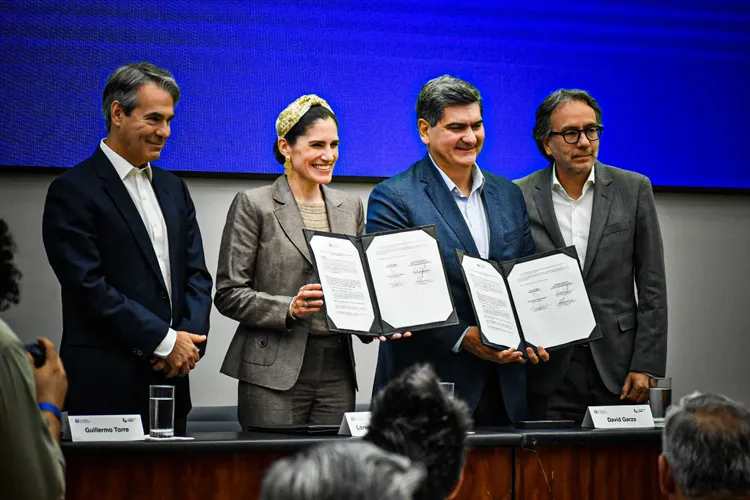
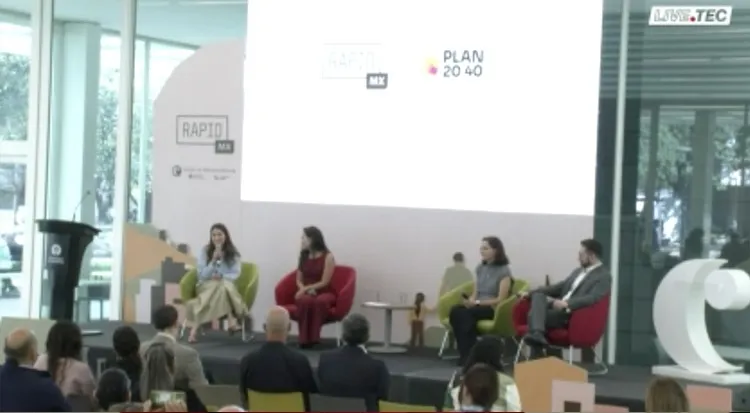
This is the first time the tool has been adapted outside the United States. National surveys measure health, nutrition, and economics, but they leave out the daily experiences of those raising children. To implement it, the Early Childhood Center collaborated with Plan 2040, an organization that supports families in the neighborhood. The methodology and findings were presented on October 6 at the Monterrey Campus.
The event was attended by Guillermo Torre, Rector of TecSalud; Adriana Gidi, Associate Director of the Center for Early Childhood; Manuel Pérez, Director of the Center of Early Childhood; Oscar Tamez, Researcher at the Center for Early Childhood; Perla Pérez Treviño, Researcher at the Center for Early Childhood; Marian Gámez, Coordinator of Support for Plan 2040; and Alejandra Planas, Coordinator of Analysis and Training for Plan 2040.
“The most important mission of the Center for Early Childhood is how we make our work actionable for the benefit of the communities,” Torre said.
How to Adapt a Survey to Listen to Early Childhood Caregivers?
To identify which concepts, questions, and answers needed to be modified, the team worked with Philip Fisher, the tool’s leader at Stanford.
Doing so was no easy task. “We translated it, contextualized it, and implemented it with the highest methodological and scientific standards,” Gidi said.
The process had two main stages. The first consisted of a panel of experts reviewing the questions to assess their relevance, pertinence, and clarity.
Next, tests were conducted with caregivers. In these tests, they explained in their own words what they understood from each question and their answer choices. This allowed for the identification of unclear terms, potentially uncomfortable questions, and concepts that did not accurately reflect local experience.
The fact that the survey was digital added a challenge. Without an interviewer to answer questions, each question had to be understood independently.
“We couldn’t just take the tool and apply it in the community, not only because of basic language barriers, but also because we needed to understand what we really wanted to ask,” Tamez said.
Thus, seemingly simple concepts, such as “caregiver” or “healthy eating”, had to be reviewed.
Women Assume a Greater Caregiving Burden
The initial results are preliminary, but they already show an unequal distribution of caregiving responsibilities. Among the women participants, two out of three reported assuming the majority of caregiving tasks, a disparity that persists among those with paid employment. The men, for their part, agreed that their partners were primarily responsible for these tasks.
Regarding how care is organized in this community, about 75% of families reported a configuration in which the father and mother participate as a couple; households with a single caregiver and others in which grandmothers or other relatives share responsibilities are also observed.
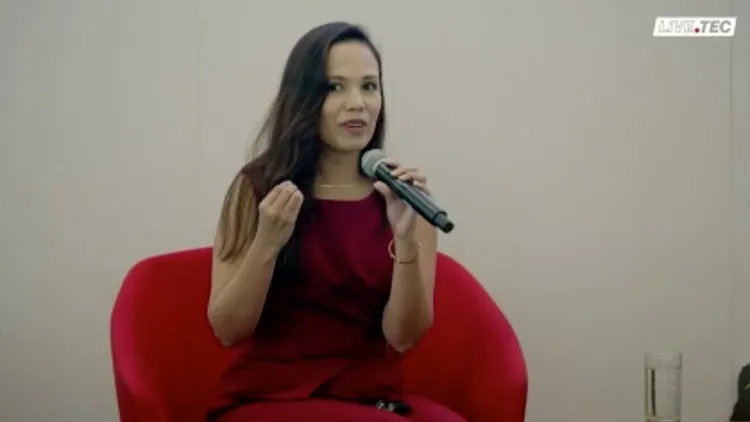
“Beyond the numbers, what does it mean to know that a woman takes on more responsibility for household chores?” Pérez Treviño asked.
Regarding financial needs, 80% of caregivers reported some degree of difficulty meeting them. Among them, 31% indicated problems paying for basic services such as electricity, water, or gas; 26%, for food; nearly 20%, for internet and communication; 15%, for medical care; and 11%, for housing.
This burden is also reflected in emotional well-being: symptoms of nervousness, anxiety, or irritability were more frequent among those who assumed a greater part of the care.
The Future of RAPID MX
According to the speakers, one of the main lessons learned from this project is that truly understanding a community requires working hand in hand with it.
“It means being with them, accompanying them, understanding them and raising their voices, really listening to them attentively,” said Manuel Pérez.
Working with Plan 2040 was crucial, as the association provided the link with the families of Independencia, whom it supports through home visits.
“One of my dreams has always been to get to the heart of the matter, to understand what those deep needs are that they have,” Planas shared.
Looking ahead, the Early Childhood Center team aims to implement the survey in other communities and, subsequently, take it nationwide.
The goal is for quantitative and qualitative data on families’ experiences to become useful information for guiding programs and public policies that care for early childhood.
“Behind every indicator and every figure lies a more complex reality,” Gidi said.
Did you find this story interesting? Would you like to publish it? Contact our content editor for more information: marianaleonm@tec.mx