

Global health is in crisis, evidenced by funding cuts, changes in public policy, and a weakened international cooperation. And even though it represents a big challenge it is also an opportunity to rethink how our health systems are designed.
Some events that demonstrate this crisis are the United States’ withdrawal from the World Health Organization (WHO), the end of the United States Agency for International Development (USAID), and the announcement of less funding for collaboration between countries.
With this in mind, the Wellcome Trust —a philanthropic organization for scientific research focused on health— launched the Rethinking the Future of Global Health initiative in 2025.
It consisted of the selection of five innovative thought leaders, one per region, to rethink the organization of global health and make it more equitable, sustainable and adapted to the current world.
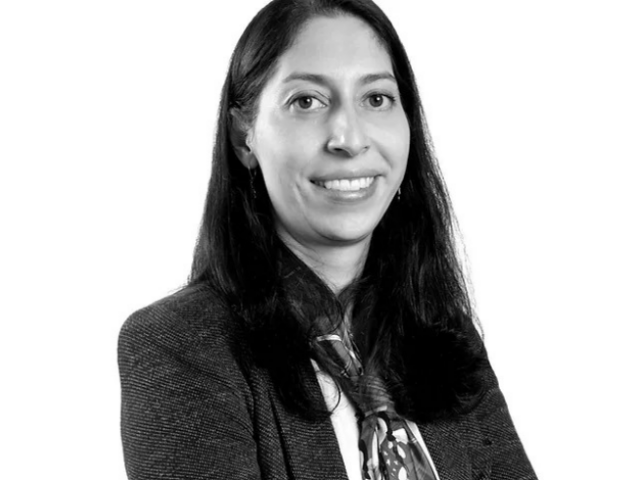
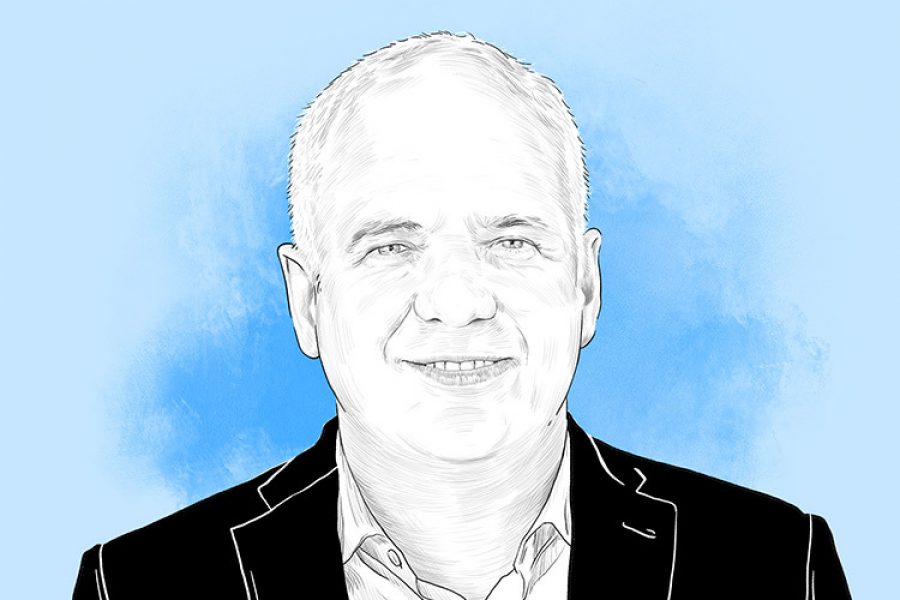
Paola Abril Campos, research professor at the School of Government and Public Transformation of Tec de Monterrey, was selected for the Latin America and Caribbean region.
“They asked for a provocative and innovative proposal to improve it [global health],” Campos says. “I speak about a political, operational, and technical crisis, as well as a funding crisis.”
Equity and Justice as the Main Columns of Global Health
The first part of Campos’ work consisted of the document Rebalancing the Scales: A New Architecture for Global Health Justice, in which she describes the need for a profound transformation of the health system.
According to her, the system has four main flaws:
- An ethical one: The social, commercial, and climatic determinants of health are not adequately addressed.
- A political one: Where very few have the power in global health.
- A technical one: It causes inefficiencies and fragmentation in financing.
- An operational one: There is a lack of common metrics, coordination, and accountability among institutions.
These problems show that it is not enough to adjust the existing system, but a redefining of its purpose to build a model based on health justice.
For Latin America and the Caribbean, Campos proposes four initiatives:
- Redesigning the Pan American Health Organization (PAHO) to make it more strategic.
- Creating a Regional Center for Public Health (CRESALC) for surveillance, training, and coordinated response.
- Developing a Health Justice Knowledge Atlas based on data and AI.
- Establishing a Regional Health Justice Fund with equitable financing and participatory governance.
“We need to change the paradigm to think in terms of investing versus spending in health,” says Campos.
A United and Horizontal Region
The second part of the Welcome Trust initiative, for which Campos competed alongside a new consortium of institutions from the region, consisted of conducting interviews with more than 75 key stakeholders in the region.
“First, we wanted to understand their diagnosis, what works and what doesn’t, and second, learn what proposals they had to improve it,” he says.
The consortium managed to speak with at least one key player from the 33 countries in the region, and one of its biggest findings was that there is a sense that the Latin America and Caribbean region needs to be given greater prominence in health decisions.
According to the expert, the region already has the knowledge and capabilities to become a leader in health.
This can be achieved through regional forums for discussing issues of common interest and sharing strategies. “One very concrete idea is a platform for exchanging experiences,” says Campos.
Furthermore, the expert suggests that global health should take on a regulatory role in industries. “For example, the food industry, so that it generates health and not disease.”
They also addressed issues such as equity and the fact that the health crisis is not isolated, but is part of a broader crisis of international relations and geopolitics.
“We need to link the health agenda with others, such as the climate crisis, trade and economic determinants, food, mental health and technologies,” the researcher points out.
The results of the interviews and dialogue that took place between the various health actors in the region will be presented at a global forum to be held in 2026.
“After this meeting, there was a feeling that we do want to try to unite more as a region, even though we have different languages and cultures,” Campos concludes.
Did you find this story interesting? Would you like to publish it? Contact our content editor to learn more: marianaleonm@tec.mx