×

Sign up to our weekly newsletter

Subscribe!

EN

|

ES

Search

artificial intelligence

Sort by:

The image shows a robot and a person working together on a task. The robot is standing on the left of the image and the person is standing on the right. The robot is using a mechanical arm to hold a tool, while the person is using their hands to hold another tool. They are both facing the same direction, indicating that they are focused on the task at hand.
Artificial Intelligence experts discussed some of the measures we can take to avoid these prejudices.
The image shows a robot and a person working together on a task. The robot is standing on the left of the image and the person is standing on the right. The robot is using a mechanical arm to hold a tool, while the person is using their hands to hold another tool. Both are looking in the same direction, indicating that they are focused on the task at hand.
The study conducted by researchers from Tec focuses on identifying markers in the bacterial composition that could anticipate the condition in children.
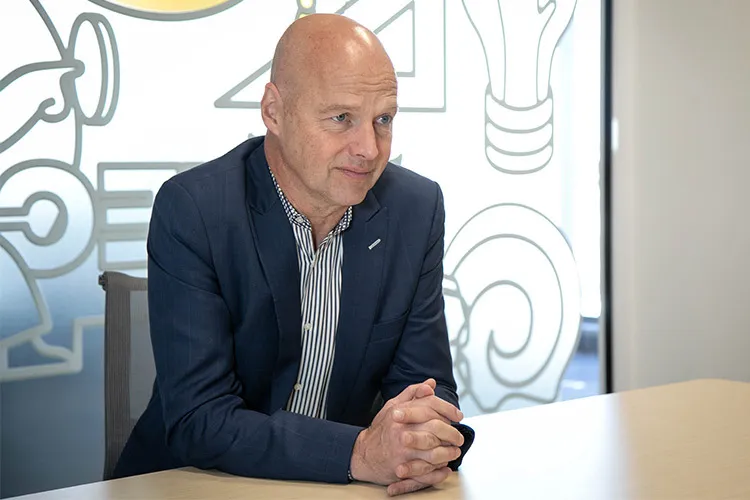
Sebastian Thrun during an interview with TecScience.
Sebastian Thrun leads a team of experts aiming to assist society through Artificial Intelligence technologies.
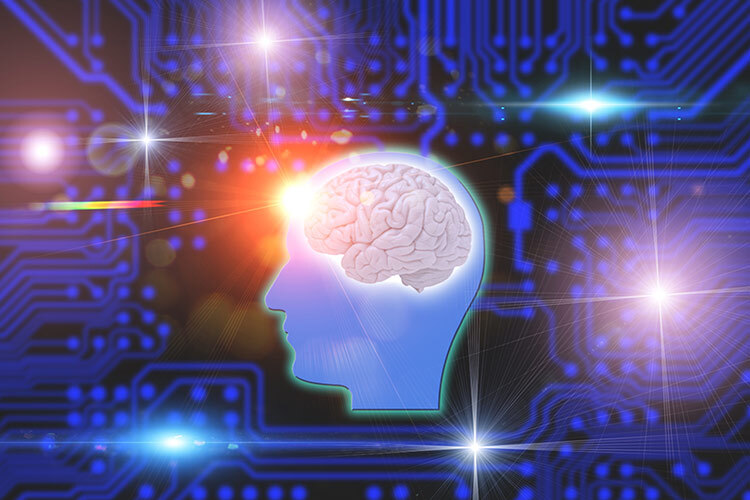
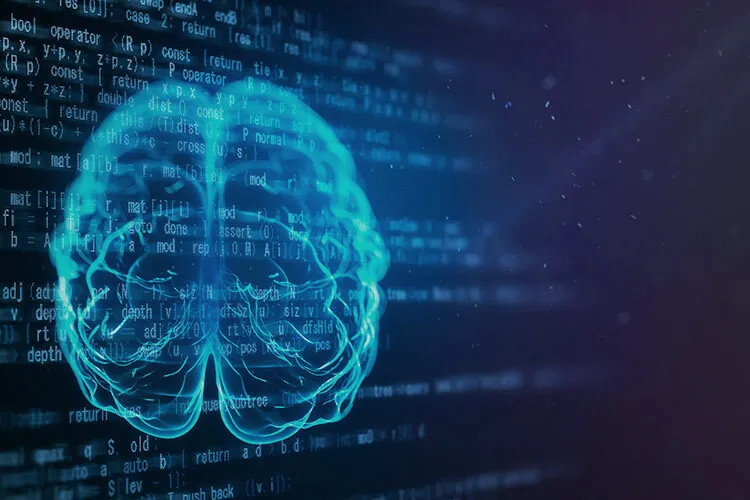
The brain is blue with a shiny surface centrally positioned against a black background. It's divided into various parts, each with a different function. The top part, the cerebral cortex, is responsible for thinking, language, and memory. The lower part, the brainstem, controls basic body functions like breathing and blood circulation. Key brain structures are visible, such as the frontal lobe for thinking and planning and the occipital lobe for vision.
Experts explain that these technologies don't interact. If they achieve this combination, AI can make better decisions.
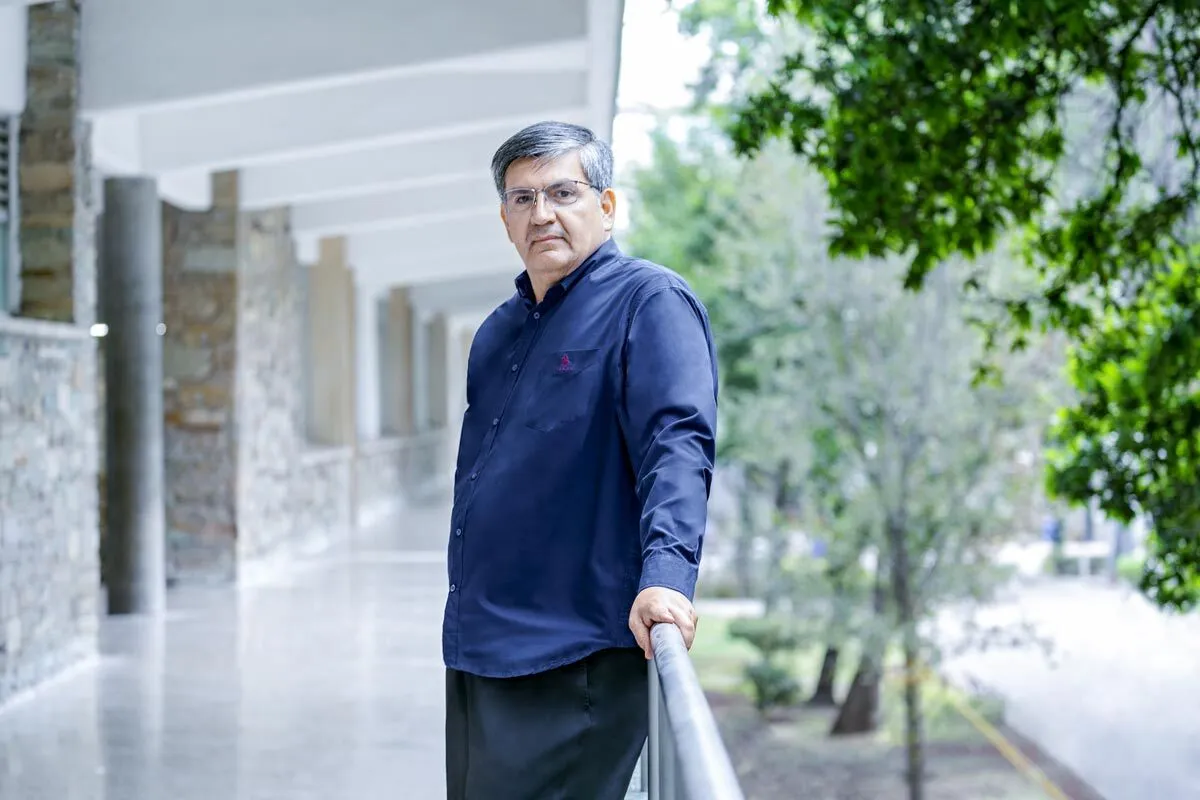
One of the most renowned scientists in our country, a member of Tec’s Faculty of Excellence, CINESTAV, and the National College, talks to us about his childhood fanaticism for masked wrestlers and the importance of stochastic algorithms. 
Image of City Elements and Technology
Academics, researchers, and experts are using data and artificial intelligence to create smart cities and find solutions to urban issues
At the event, the participants (from left to right) were Anthony Ortiz, Senior Researcher Scientist at Microsoft AI for Good Research Lab; Morgan Guerra, CEO of Previta; Bill Weeks, Director of AI for Health at Microsoft; Rita Fuentes, researcher at the Institute of Advanced Materials for Sustainable Manufacturing; and Guillermo Torre, Rector of TecSalud and Vice President of Research at Tec de Monterrey.
Artificial intelligence (AI) has the potential to revolutionize healthcare by improving diagnosis and promoting more equitable access
Alejandro Preinfalk, CEO of Siemens Mexico
Alejandro Preinfalk, CEO of Siemens Mexico, discussed the disruptive potential of industrial metaverses during his talk at INCMty
illustration of connections
These stacking algorithms, which take minimum input and provide more trustworthy predictions, may be effective at decreasing school dropout rates in Mexico.
The digital tool, developed by Tec de Monterrey, will provide real-time access to information for teachers and collaborators.

artificial intelligence

The image shows a robot and a person working together on a task. The robot is standing on the left of the image and the person is standing on the right. The robot is using a mechanical arm to hold a tool, while the person is using their hands to hold another tool. They are both facing the same direction, indicating that they are focused on the task at hand.
Artificial Intelligence experts discussed some of the measures we can take to avoid these prejudices.
The image shows a robot and a person working together on a task. The robot is standing on the left of the image and the person is standing on the right. The robot is using a mechanical arm to hold a tool, while the person is using their hands to hold another tool. Both are looking in the same direction, indicating that they are focused on the task at hand.
The study conducted by researchers from Tec focuses on identifying markers in the bacterial composition that could anticipate the condition in children.
Sebastian Thrun during an interview with TecScience.
Sebastian Thrun leads a team of experts aiming to assist society through Artificial Intelligence technologies.
The brain is blue with a shiny surface centrally positioned against a black background. It's divided into various parts, each with a different function. The top part, the cerebral cortex, is responsible for thinking, language, and memory. The lower part, the brainstem, controls basic body functions like breathing and blood circulation. Key brain structures are visible, such as the frontal lobe for thinking and planning and the occipital lobe for vision.
Experts explain that these technologies don't interact. If they achieve this combination, AI can make better decisions.
One of the most renowned scientists in our country, a member of Tec’s Faculty of Excellence, CINESTAV, and the National College, talks to us about his childhood fanaticism for masked wrestlers and the importance of stochastic algorithms. 
Image of City Elements and Technology
Academics, researchers, and experts are using data and artificial intelligence to create smart cities and find solutions to urban issues
At the event, the participants (from left to right) were Anthony Ortiz, Senior Researcher Scientist at Microsoft AI for Good Research Lab; Morgan Guerra, CEO of Previta; Bill Weeks, Director of AI for Health at Microsoft; Rita Fuentes, researcher at the Institute of Advanced Materials for Sustainable Manufacturing; and Guillermo Torre, Rector of TecSalud and Vice President of Research at Tec de Monterrey.
Artificial intelligence (AI) has the potential to revolutionize healthcare by improving diagnosis and promoting more equitable access
Alejandro Preinfalk, CEO of Siemens Mexico
Alejandro Preinfalk, CEO of Siemens Mexico, discussed the disruptive potential of industrial metaverses during his talk at INCMty
illustration of connections
These stacking algorithms, which take minimum input and provide more trustworthy predictions, may be effective at decreasing school dropout rates in Mexico.
The digital tool, developed by Tec de Monterrey, will provide real-time access to information for teachers and collaborators.

Sign up to our weekly newsletter!

Scientists, innovation and the stories that explain it all.