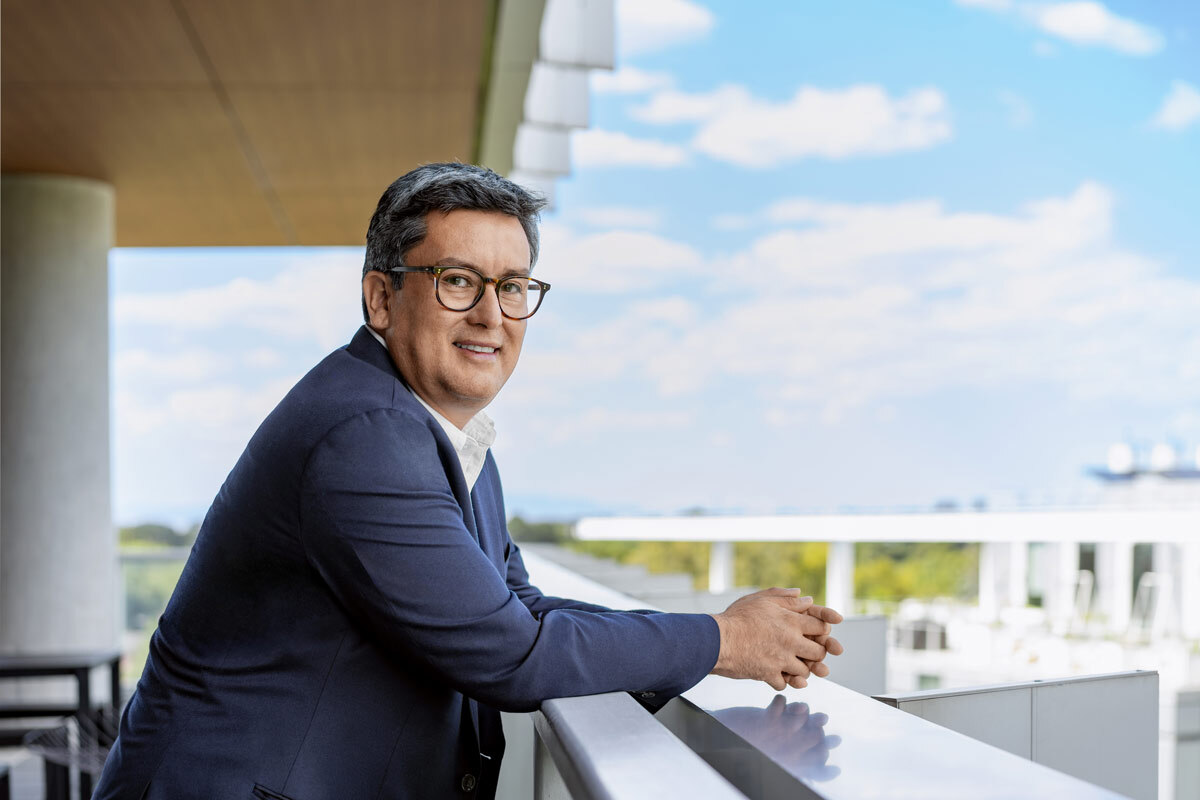
The Research Director of the Center for the Future of Cities uses computational models, data, and artificial intelligence to understand how cities grow and explore new ways to make them more inclusive and sustainable.
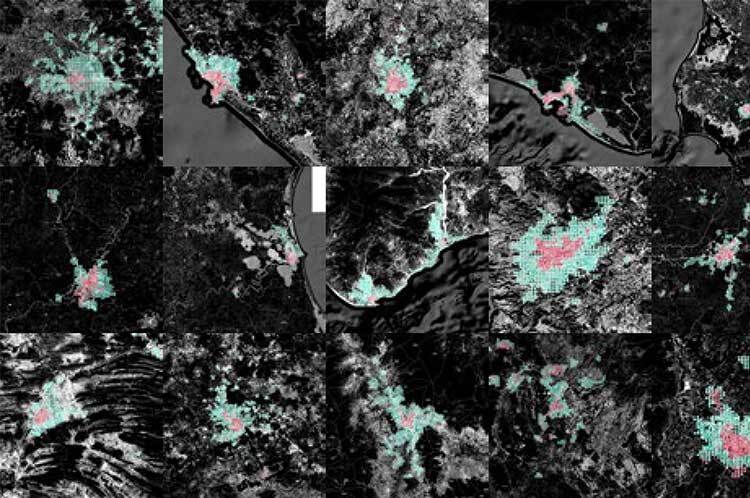
A study by Tec de Monterrey and the Complexity Science Hub reveals that 69 Mexican cities lost population in their city centers, lengthening residents' daily commutes.
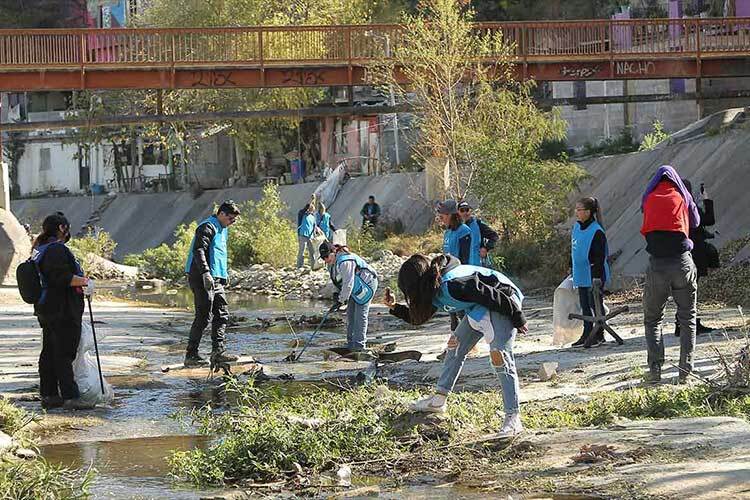
Restoring an ecosystem like the Seco–San Agustín Creek can take several decades, but this project aims to lay the foundation for long-term transformation.
A study that analyzed 74 metropolitan areas in Mexico found that economic complexity and urban sprawl are linked to greater spatial segregation by income.
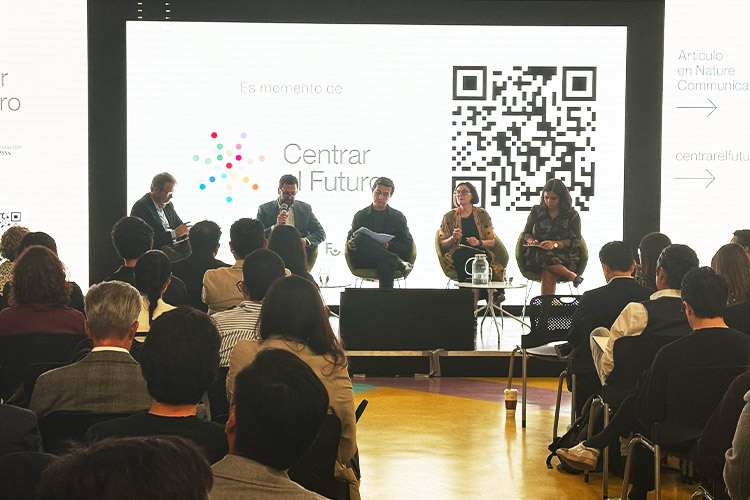
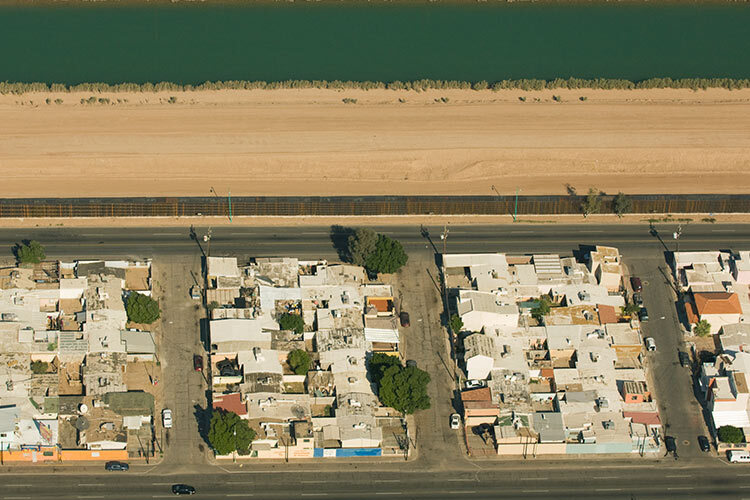
At the Center for the Future of Cities at Tecnológico de Monterrey, researchers are developing computational urbanism models to improve urban planning in cities like Mexicali and enhance residents’ quality of life.
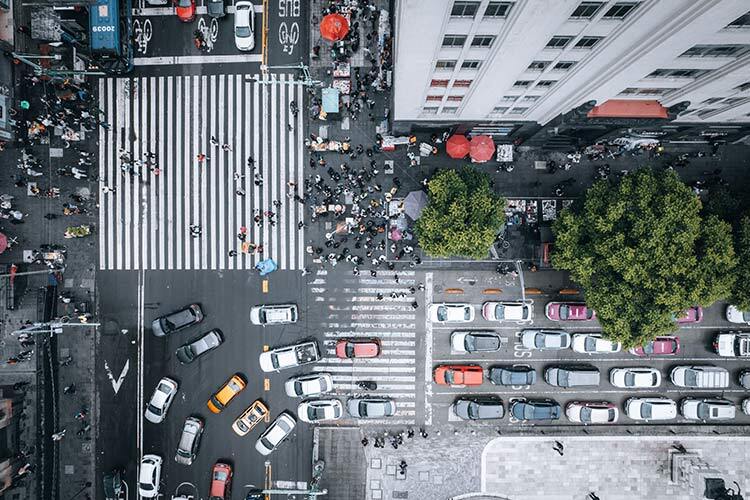
The GOHSC is developing new metrics to assess urban health using open data and scientific evidence. Its work — carried out with the participation of Tec de Monterrey — is already shaping policy decisions in cities around the world.
The Research Director of the Center for the Future of Cities uses computational models, data, and artificial intelligence to understand how cities grow and explore new ways to make them more inclusive and sustainable.
A study by Tec de Monterrey and the Complexity Science Hub reveals that 69 Mexican cities lost population in their city centers, lengthening residents' daily commutes.
Restoring an ecosystem like the Seco–San Agustín Creek can take several decades, but this project aims to lay the foundation for long-term transformation.
A study that analyzed 74 metropolitan areas in Mexico found that economic complexity and urban sprawl are linked to greater spatial segregation by income.
At the Center for the Future of Cities at Tecnológico de Monterrey, researchers are developing computational urbanism models to improve urban planning in cities like Mexicali and enhance residents’ quality of life.
The GOHSC is developing new metrics to assess urban health using open data and scientific evidence. Its work — carried out with the participation of Tec de Monterrey — is already shaping policy decisions in cities around the world.