×

Sign up to our weekly newsletter

Subscribe!

Health

Sort by:

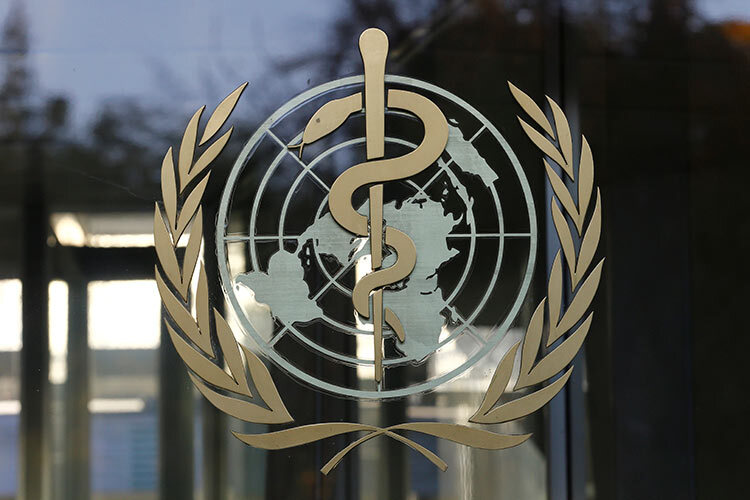
WHO logo headquarters
The World Health Organization had reported that the patient had no history of exposure to poultry or other animals.
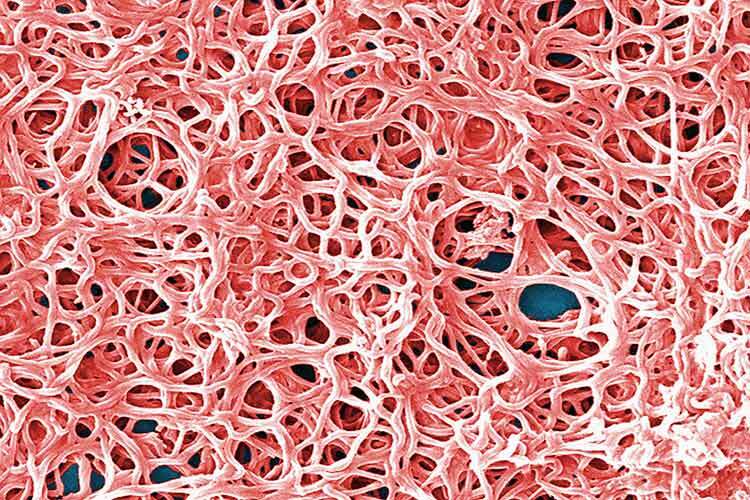
Borrelia bacteria causes lyme disease
The average time taken to assess this condition is two years due to insufficient knowledge of the topic and confusion over similar symptoms.
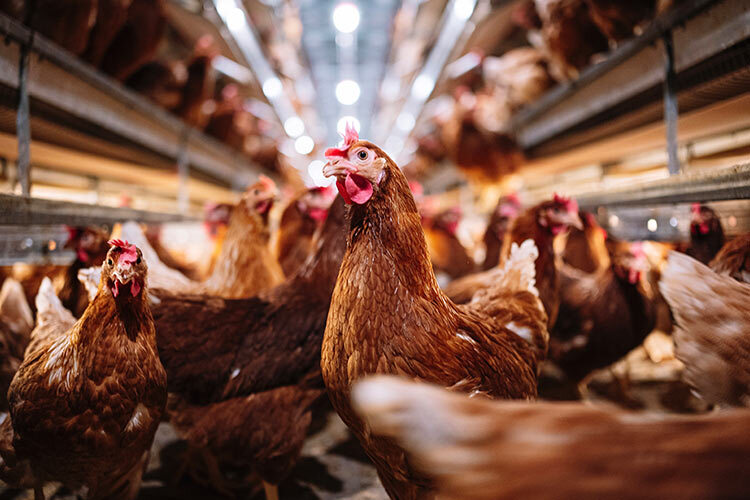
birds and chicken, poultry can spread bird flu
This is the first laboratory-confirmed human case of subtype A(H5N2) infection reported worldwide.
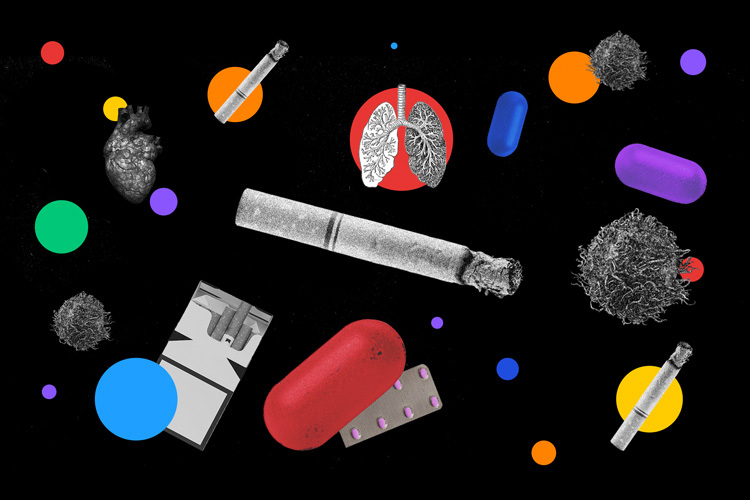
Smoking diseases health
A tobacco user's organism spends too many resources repairing the damage. “It's like putting out a big, urgent fire,” says one expert.
The photograph shows a person sitting and leaning against a pillow with sunlight streaming through a window. They are holding a transparent glass with a beverage, possibly water, and seem to be in the process of drinking or about to drink.
As climate change progresses, the frequency, intensity, and duration of heatwaves are expected to increase.
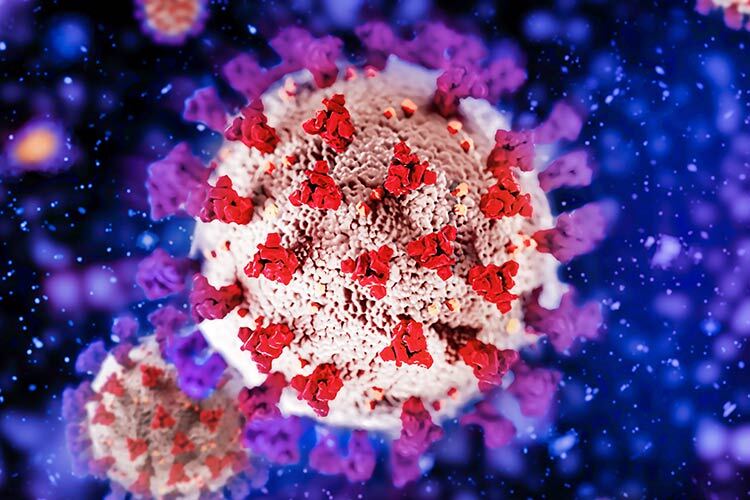
Image of a coronavirus
In the month that WHO and FDA decide on the formulation of vaccines for the fall, cases of the new variant rebound.
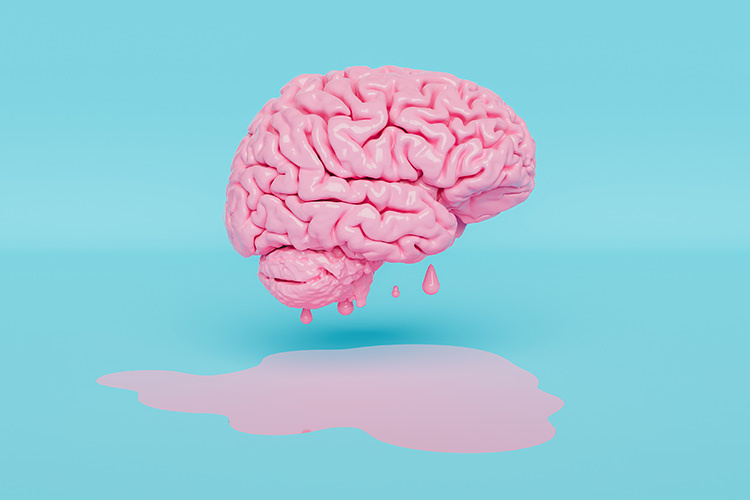
image of the brain melting down
José A. Morales, a professor and researcher at the Complutense University of Madrid, explains what happens to our brain.
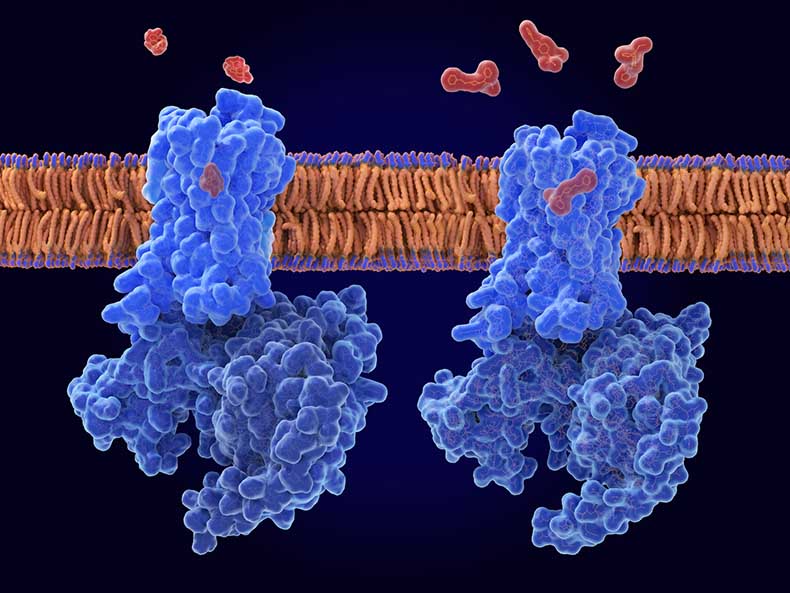
Illustration of morphine (left, red) and fentanyl (right, red) molecules binding to mu-opioid receptors (blue) in a cell membrane. Opioid receptors are found on nerve cells. When pain is detected by the body, endorphins are released and attach to the receptors, starting a reaction that modulates pain perception.
These findings open new possibilities for developing more effective treatments for opioid addiction.
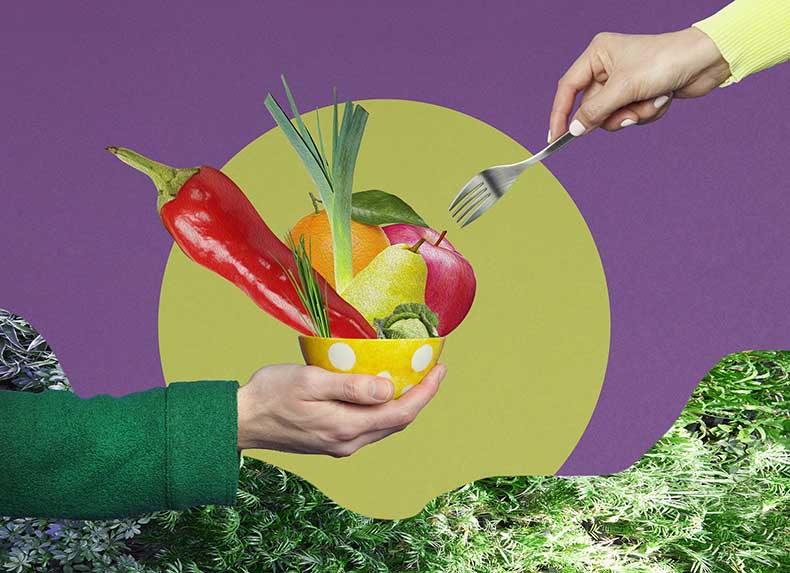
Illustration of two hands eating bowl of vegetables
This type of eating plan became popular for its weight loss effects, but it's not suitable for everyone.
Image of a plate with proteins: egg, bacon and fish.
According to researchers at the University of Texas, it can accelerate aging of the heart, liver, and brain and increase the risk of cancer.

Health

WHO logo headquarters
The World Health Organization had reported that the patient had no history of exposure to poultry or other animals.
Borrelia bacteria causes lyme disease
The average time taken to assess this condition is two years due to insufficient knowledge of the topic and confusion over similar symptoms.
birds and chicken, poultry can spread bird flu
This is the first laboratory-confirmed human case of subtype A(H5N2) infection reported worldwide.
Smoking diseases health
A tobacco user's organism spends too many resources repairing the damage. “It's like putting out a big, urgent fire,” says one expert.
The photograph shows a person sitting and leaning against a pillow with sunlight streaming through a window. They are holding a transparent glass with a beverage, possibly water, and seem to be in the process of drinking or about to drink.
As climate change progresses, the frequency, intensity, and duration of heatwaves are expected to increase.
Image of a coronavirus
In the month that WHO and FDA decide on the formulation of vaccines for the fall, cases of the new variant rebound.
image of the brain melting down
José A. Morales, a professor and researcher at the Complutense University of Madrid, explains what happens to our brain.
Illustration of morphine (left, red) and fentanyl (right, red) molecules binding to mu-opioid receptors (blue) in a cell membrane. Opioid receptors are found on nerve cells. When pain is detected by the body, endorphins are released and attach to the receptors, starting a reaction that modulates pain perception.
These findings open new possibilities for developing more effective treatments for opioid addiction.
Illustration of two hands eating bowl of vegetables
This type of eating plan became popular for its weight loss effects, but it's not suitable for everyone.
Image of a plate with proteins: egg, bacon and fish.
According to researchers at the University of Texas, it can accelerate aging of the heart, liver, and brain and increase the risk of cancer.

Sign up to our weekly newsletter!

Scientists, innovation and the stories that explain it all.