×

Sign up to our weekly newsletter

Subscribe!

EN

|

ES

Search

International Early Childhood Forum

Sort by:

Photo of Rafael Perez
Investing in food security during a baby’s first 1,000 days is the most cost-effective strategy for ensuring lifelong health and economic development.
challenges for early childhood
Policies and programs for children in Latin America often rely on evidence generated in Global North contexts, where children’s needs differ significantly.
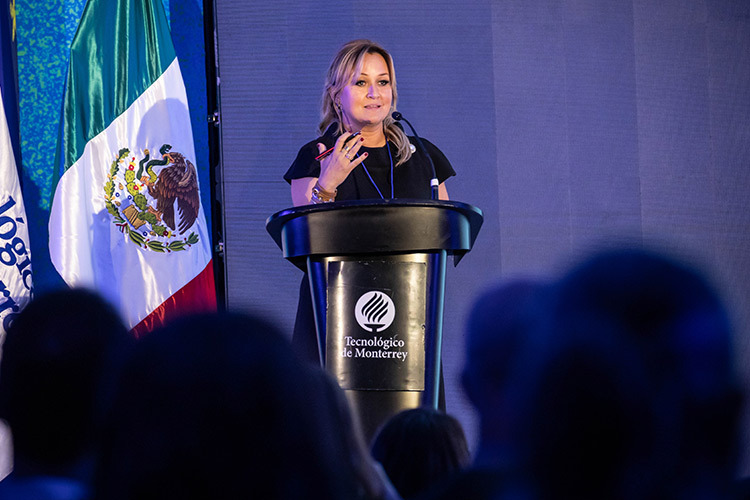
Photo of a woman, Angélica Pongutá, on a podium speaking into a microphone
Wars and armed conflicts have biological, neurobiological, psychological, and emotional impacts on children.
climate change early childhood
While global delegations negotiate climate strategies, the missing topic in these conversations is early childhood.
James Cairns early childhood cities
Although we understanding better how certain factors shape early childhood, we still know little about how cities and physical spaces influence development.
The Early Childhood Center developed the first national survey; these experiences can be counteracted.
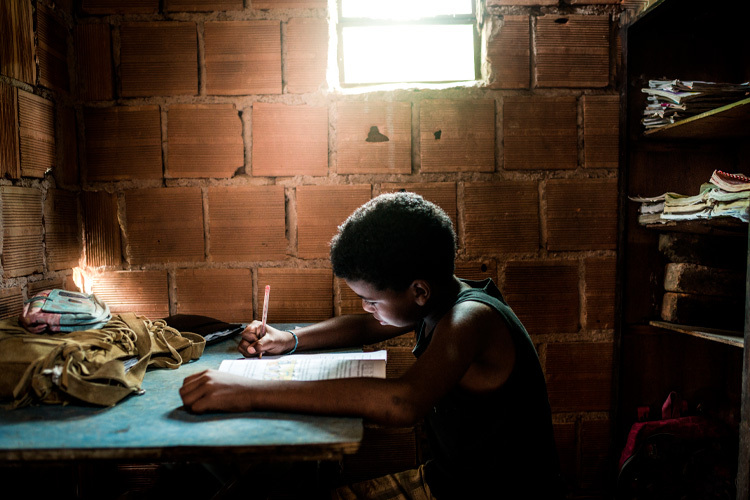
Image of a dimly lit room made of bricks, where a girl is seen writing in a notebook.
The IDB established a working agenda to find solutions to these challenges, which was presented during the Second International Early Childhood Forum.
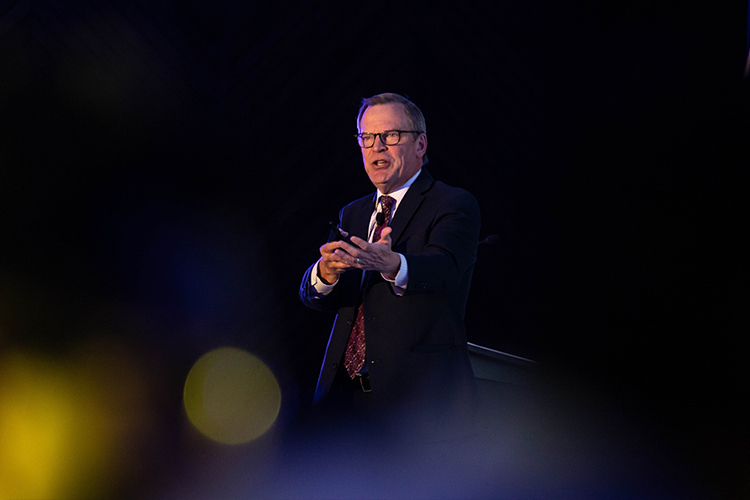
Hirokazu Yoshikawa, co-director of the Global TIES for Children Center.
Hirokazu Yoshikawa studies the effects of programs related to immigration, early childhood, and youth development.
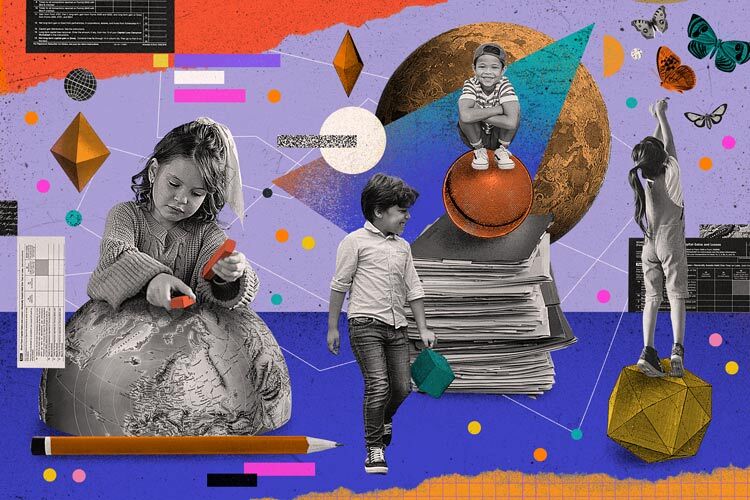
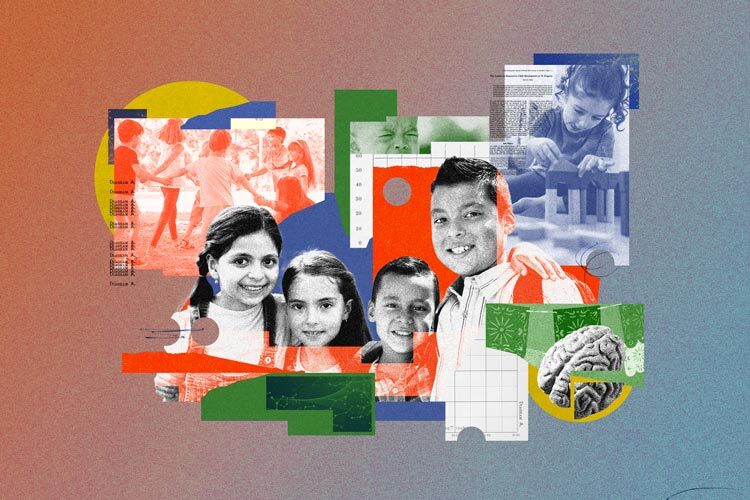
Illustration of children
The first results of the studies carried out at the Centre will be presented during the second International Forum on Early Childhood.
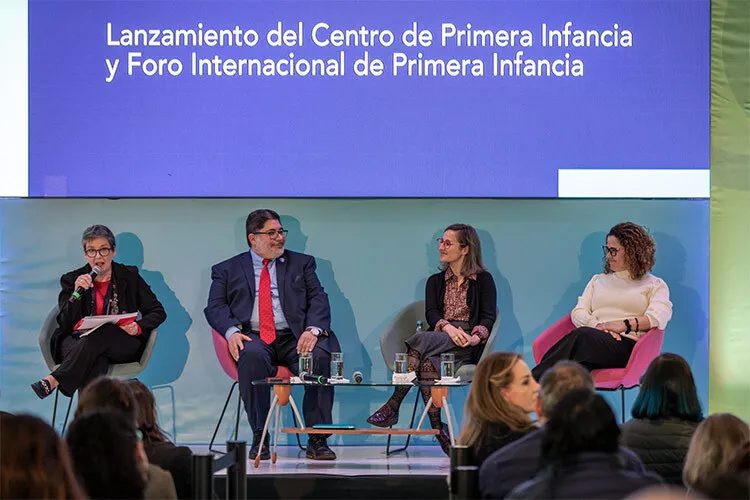
image of a panel
Five-year-olds in poor homes recognize fewer words than those in privileged homes.

International Early Childhood Forum

Photo of Rafael Perez
Investing in food security during a baby’s first 1,000 days is the most cost-effective strategy for ensuring lifelong health and economic development.
challenges for early childhood
Policies and programs for children in Latin America often rely on evidence generated in Global North contexts, where children’s needs differ significantly.
Photo of a woman, Angélica Pongutá, on a podium speaking into a microphone
Wars and armed conflicts have biological, neurobiological, psychological, and emotional impacts on children.
climate change early childhood
While global delegations negotiate climate strategies, the missing topic in these conversations is early childhood.
James Cairns early childhood cities
Although we understanding better how certain factors shape early childhood, we still know little about how cities and physical spaces influence development.
The Early Childhood Center developed the first national survey; these experiences can be counteracted.
Image of a dimly lit room made of bricks, where a girl is seen writing in a notebook.
The IDB established a working agenda to find solutions to these challenges, which was presented during the Second International Early Childhood Forum.
Hirokazu Yoshikawa, co-director of the Global TIES for Children Center.
Hirokazu Yoshikawa studies the effects of programs related to immigration, early childhood, and youth development.
Illustration of children
The first results of the studies carried out at the Centre will be presented during the second International Forum on Early Childhood.
image of a panel
Five-year-olds in poor homes recognize fewer words than those in privileged homes.

Sign up to our weekly newsletter!

Scientists, innovation and the stories that explain it all.