

By Myriam Vidal Valero
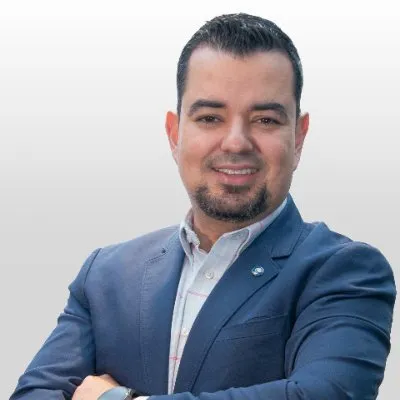
On July 31, 2025, Miguel Ángel Sánchez experienced a panic attack that sent him to the hospital. The morning had started like any other until he was suddenly overcome by a feeling of nervousness. He tried to push it aside, but the sensation returned, causing his hands to curl and his face to go numb while his girlfriend called emergency services. He thought he was dying.
“During severe episodes of anxiety, such as a panic attack, it genuinely feels like we’re dying,” Miguel Ángel says in an interview for TecScience and the Historias para Mentes Curiosas podcast episode about anxiety.
Since the beginning of the year, he had experienced similar symptoms, including shortness of breath, nervousness, dizziness, and vertigo. Yet no doctor could identify the cause.
That day, he finally received a diagnosis: generalized anxiety disorder (GAD). He was referred to a psychiatrist.
“I felt very vulnerable,” he says. For most of his life, he had believed that willpower alone was enough to overcome life’s challenges.
“I used to think psychotherapy, and especially psychiatric treatment, was something for weak people,” he says.
He was about to begin a treatment process that would force him to rethink everything.
What are Anxiety Disorders?
According to the World Health Organization (WHO), anxiety disorders are on the rise and affect more than 350 million people worldwide. They include conditions ranging from social anxiety disorder and selective mutism to the generalized anxiety disorder Miguel Ángel was diagnosed with.
However, anxiety is not the same thing as an anxiety disorder. Everyone is biologically wired to experience anxiety in everyday situations such as exams, job interviews, financial difficulties, or other stressful events.
“Anxiety is also an adaptive mechanism that helps us respond to adverse circumstances,” explains Carlos Alberto Arnaud Gil, a psychiatrist specializing in consultation-liaison psychiatry and a professor at TecSalud.
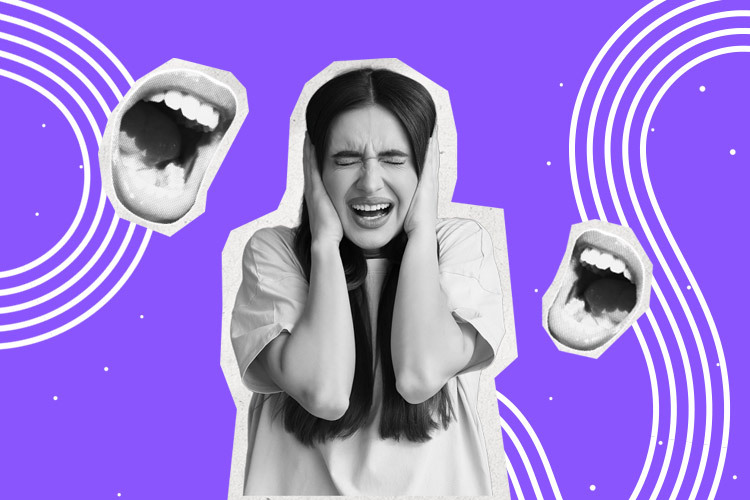
Anxiety becomes a disorder when it is persistent, disproportionate to the situation at hand, and begins to interfere with social life, work, or rest.
The causes of these disorders are multifactorial. They range from genetics, although genetics is not destiny, Arnaud notes, to personality traits and social environment.
For example, prolonged exposure to stress or growing up in adverse conditions during childhood can increase the risk of developing an anxiety disorder.
At the molecular level, Blandina Bernal Morales, a researcher at the Institute of Neuroethology at the Universidad Veracruzana, explains that five key processes are involved in anxiety disorders.
The first is the hypothalamic-pituitary-adrenal (HPA) axis, a connection between the brain and the body that activates in response to danger and releases hormones such as cortisol. When cortisol remains elevated for long periods, it can leave the body in a constant state of overactivation and fatigue.
The second and third processes are neurogenesis, the formation of new neurons, and neuroplasticity, the strengthening and reorganization of neural connections. Together, these mechanisms help people adapt to stress and regulate emotions, but excessive stress can disrupt both.
The final two are inflammation and oxidative stress. Inflammation can allow harmful substances to enter the brain and damage neurons, while oxidative stress refers to a chemical imbalance that harms neurons and disrupts communication between them.

Can Anxiety Disorders be Cured?
In psychiatry, it is difficult to speak in terms of a cure because every case is different, Arnaud explains. However, effective treatments exist, and many patients, including Miguel Ángel, are able to regain control of their lives.
“Lately, I’ve even forgotten that I have generalized anxiety disorder,” he says.
Since receiving his diagnosis, he has followed a treatment plan that combines medication with cognitive behavioral therapy, the approach most commonly recommended for his condition, along with a balanced diet, regular exercise, and abstaining from alcohol.
Meanwhile, researchers around the world are working to develop new treatments for anxiety disorders. Transcranial magnetic stimulation, a noninvasive and painless form of brain stimulation delivered through the skull, has emerged as an alternative for patients who do not respond to medication, Arnaud explains.
Researchers are also developing drugs that target inflammation and oxidative stress, Bernal says. However, she believes some of the most promising work focuses on resilience.
“It is incredibly interesting to understand how resilience works at the cellular and molecular level so that we can develop targeted treatments and use them in people who are particularly vulnerable,” she says.
The experts agree that anxiety is not something that can be overcome through willpower alone.
“It is not a matter of choice or determination. It is the result of altered brain chemistry. It is unquestionably an organic, biological condition,” Bernal explains.
Miguel Ángel agrees.
He knows he cannot let his guard down and that anxiety could return if he stops treatment without medical supervision. Yet the experience has transformed his perspective on mental health and life itself.
“My family relationships have improved tremendously,” he says. “The decision I made after that panic attack has been one of the most important decisions of my life.”
Did you find this story interesting? Would you like to publish it? Contact our content editor to learn more at marianaleonm@tec.mx