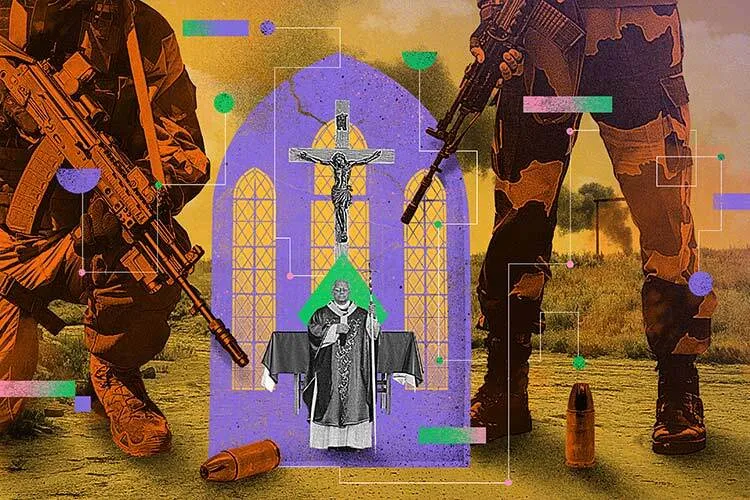


In Mexico, priests, pastors, and other religious leaders have been victims of attacks—many linked to organized crime—including murders, extortion, and kidnappings. Between 2006 and 2024, 211 attacks were documented. Furthermore, the violence has increased in recent years: from 2018 to 2024, an average of 20 attacks per year were recorded, more than double the rate of previous periods, according to two researchers.
Scientists are seeking to identify the conditions under which these attacks occur and how they can help explain the logic behind the operation of these cartels, since criminal groups not only control illegal markets, but also seek to dominate the daily lives of the communities where they have a presence, a phenomenon known as criminal governance.
To maintain that power, they need members of those communities to tolerate or cover up their actions and not report them. Religious leaders can be an obstacle, as they possess moral authority, community networks, and the capacity to mobilize people.
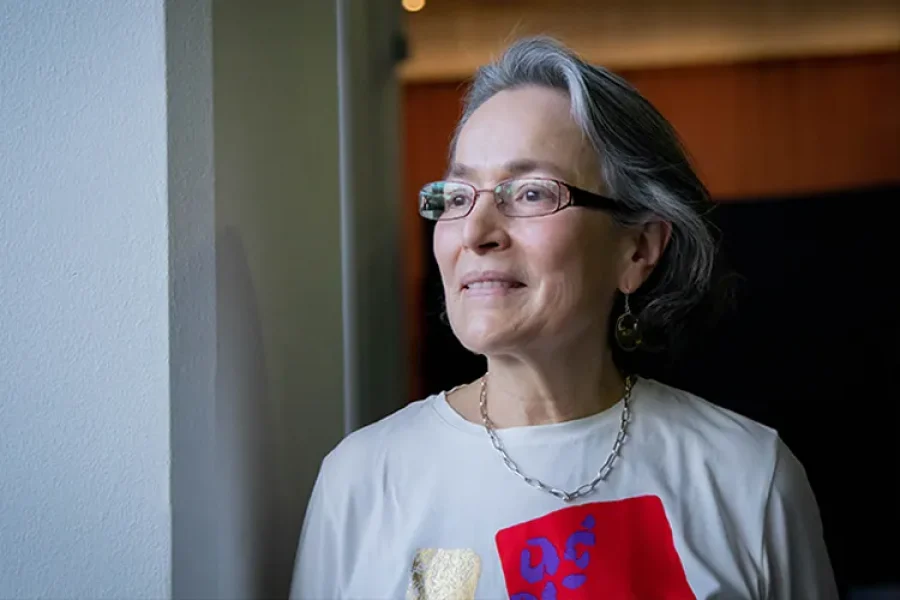
“We interpret it as a push by criminal groups for social control,” says Sandra Ley, distinguished professor at the School of Social Sciences and Government (ECSG) of Tec de Monterrey.
Although previous studies have documented this violence and the role of churches in communities affected by organized crime, there are still gaps in the knowledge we have about the causes of these attacks and the strategies that these leaders use to confront them.
The project seeks to help fill these gaps through quantitative and qualitative data, including a database of attacks at the municipal level, statistical analysis, interviews, surveys and workshops.
For the researchers, they are particular social actors: “There are important aspects in which religious leaders are social leaders, just like journalists or politicians, but there’s also ways in which they are distinct,” says Radha Sarkar, a research professor at ECSG.
Two Decades of Attacks Against Religious Leaders
Although the investigation is still ongoing, with the help of undergraduate, master’s and doctoral students, the experts have developed a database called Attacks against Religious Actors in Mexico (ARAM) based on media reports.
ARAM records information on the location, date, characteristics of the attacks —such as type of weapon used—, victims, possible perpetrators and signs of criminal violence.
“Because we’re drawing on newspaper sources, we’re only able to record episodes of violence that are newsworthy, and that’s where bias creeps in,” Sarkar points out.
Therefore, they sought to complement the information through preliminary fieldwork with 60 religious leaders in communities in the states of Chiapas, Guerrero, Jalisco, and Chihuahua. Through interviews and workshops, they have learned about their experiences with organized crime violence and the strategies they use to confront it.
In their preliminary analysis, they found that Catholic priests tend to propose collective solutions, such as peace marches and support groups, while evangelical pastors resort to individual accompaniment.
They have also observed that most of the violence is experienced by local religious leaders who work directly with communities, such as parish priests, and not so much by higher-ranking figures, such as bishops.
The Struggle to Control Communities
Over the years, Sandra Ley has studied the violence of these groups towards other social actors, such as journalists and politicians, and her hypothesis, which she shares with Sarkar, is that religious leaders also represent a threat to these organizations.
For example, priests and pastors can accompany mothers and families searching for their missing loved ones, help victims file complaints and follow up on them, organize peace marches, provide spiritual and emotional support, and use their sermons to discourage their followers from collaborating with criminal groups.
A major factor in this appears to be the struggle for territory. “We have found that in places where there is greater criminal competition, you also find a higher number of attacks,” Ley says.
However, the relationship is not always confrontational. During their fieldwork, the researchers also found testimonies from religious leaders who receive money or resources from criminal groups or who collaborate with them. Others may become vulnerable when attempting to negotiate peace agreements between rival organizations.
Furthermore, not all documented attacks are related to organized crime. In Chiapas, for example, violence associated with religious intolerance has also been identified.
Thus, some attacks may be related to resistance to criminal control, while others may be due to conflicts or failed negotiations, as well as violence due to discrimination, although the researchers consider the latter to be the least common.
“What we are observing is more strategic than a hate crime,” says Sarkar.
Understanding the logic behind the attacks
Ley and Sarkar were selected for the 2026 Harry Frank Guggenheim Distinguished Scholar Awards and with that funding they plan to expand their research.
Some of their main objectives are to understand the logic behind these attacks, identify the differences between the strategies used by different religious denominations to deal with violence and the factors that allow some communities to organize and resist organized crime.
“One of our most positive findings is the extent to which people are able and willing to undertake significant personal risk to protect their communities,” Sarkar explains. “Nothing short of everyday heroism.”
Another one of their priorities is to incorporate the poorly documented experiences of religious women such as nuns and catechists who work with and are part of communities affected by organized crime.
To do this, they are establishing links with religious organizations that will allow them to document their experiences, the risks they face, and their role in community resistance.
Looking ahead, they hope their findings will contribute to the development of security protocols, the strengthening of community networks, and the design of public policies to prevent these attacks.
“We believe we may be in a good position to stop this violence, but that starts with having more and better data on the logic behind it,” Ley says.