
By Miguel Córdova, Mariléia Batista and Ivanete Schneider
On September 25, 2025, World Maritime Day was observed under the theme “Our Ocean, Our Obligation, Our Opportunity.” Covering more than 70 percent of the planet’s surface, the oceans are essential to life on Earth and a cornerstone of global economic development.
Despite their importance, oceans are facing mounting threats. The study “Impacts of global supply chains on ocean health and mitigation practices: a systematic literature review” examines the risks that global supply chains pose to marine ecosystems.
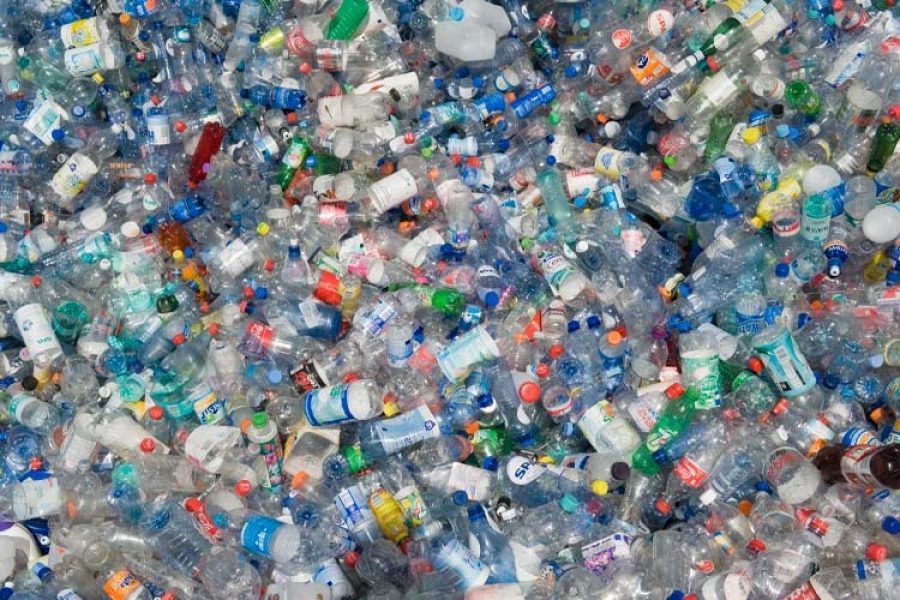
The research identifies five major threats: 1) chemical spills and plastic pollution; 2) improper disposal of waste from ships; 3) unsustainable fishing and overexploitation; 4)industrial and agricultural discharges; and 5) resource extraction.
Together, these activities degrade marine biodiversity and ecosystems, create coastal dead zones, increase the presence of microplastics, and heighten the risks associated with deep-sea mining.
Containing Ocean Overexploitation
The ocean crisis begins on land. A significant share of the urban and industrial waste floating at sea originates from poor waste management practices. This underscores the urgency of strengthening international regulations across five key areas.
1. Microplastics
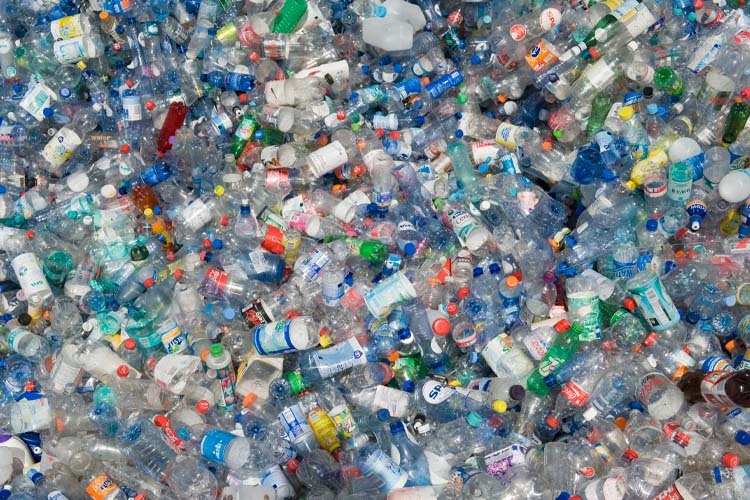
Scientific literature warns that if human activities at sea remain unchanged, 99 percent of seabirds will have ingested plastic by 2050. One visible symbol of this crisis is the Great Pacific Garbage Patch, a massive accumulation of microplastics generated by economic and fishing activities worldwide (National Geographic, 2024). Each year, 369 million metric tons of plastic are produced globally, with 11 million tons entering the ocean; if current trends persist, this figure could triple by 2040 (United Nations, 2023).
Addressing this challenge requires strengthening waste-management regulations while fostering international cooperation among private companies, governments, and civil society to impose strict penalties on polluting actors.
2. Ship-Generated Waste
A report by the European Maritime Safety Agency (EMSA) identifies critical types of waste produced on board ships—including sewage, plastics, food waste, cooking oils, and incinerator ash—that require strict management.
In response, investing in advanced technologies to modernize container ships and cargo vessels, along with more robust tracking and traceability systems across maritime supply chains, would help identify critical points, assign responsibility, and reduce practices that continue to harm the oceans.
3. Unsustainable Fishing
Fishing is a vital link in the global food supply chain, but it is often carried out through unsustainable practices, including overfishing and the capture of endangered species (FAO, 2016). Iconic cases such as the collapse of North Atlantic cod populations highlight the urgency of adopting sustainable fishing schemes and certification systems.
Compounding the problem are government fishing subsidies, which, while intended to support the sector, have contributed to stock depletion by incentivizing overexploitation. This reality calls for a reassessment of international ocean sustainability indicators and greater adoption of more efficient technologies in large-scale fishing.
4. Industrial and Agricultural Effluents
Industrial discharges and agricultural runoff carry chemical pollutants from land into rivers and oceans, where they generate oxygen-depleted dead zones. These discharges—linked to industrial processes within global supply chains—are killing marine species and contributing to global warming. Worldwide, the number of dead zones increased from 400 in 2008 to 700 in 2019 (United Nations, 2021).
Well-documented examples include the Gulf of Mexico, where fertilizer runoff carried by the Mississippi River fuels algal blooms whose decomposition strips oxygen from the water, and the Sea of Marmara, off the coast of Istanbul, where urban and industrial wastewater has created similar hypoxic conditions. In both cases, fish die-offs and ecosystem collapse have taken a heavy toll on marine biodiversity and local fisheries (National Geographic, 2025).
These impacts underscore the need to adopt sustainable production technologies on land, expand recycling and resource reuse, increase the use of renewable energy, and strengthen monitoring and regulation of industries such as steel manufacturing and agriculture, particularly regarding waste discharges and fertilizer use.
5. Ocean Resource Extraction
Since 2013, the International Seabed Authority (ISA) has authorized seabed exploration but has not finalized an exploitation code for deep-sea mining. This is particularly significant given that minerals critical to lithium-ion batteries—including nickel, cobalt, and magnesium—could reach a market value of $120 billion by 2027.
Deep-sea mining and the expansion of offshore oil drilling pose serious risks to marine habitats and biodiversity, making strict international regulations and more sustainable mining techniques essential.
Equally important is the transition of cargo and fishing vessels away from fossil fuels toward clean, renewable energy sources, alongside stronger oversight policies to prevent oil spills and illegal activities in international waters.
Global Trade and the Ocean
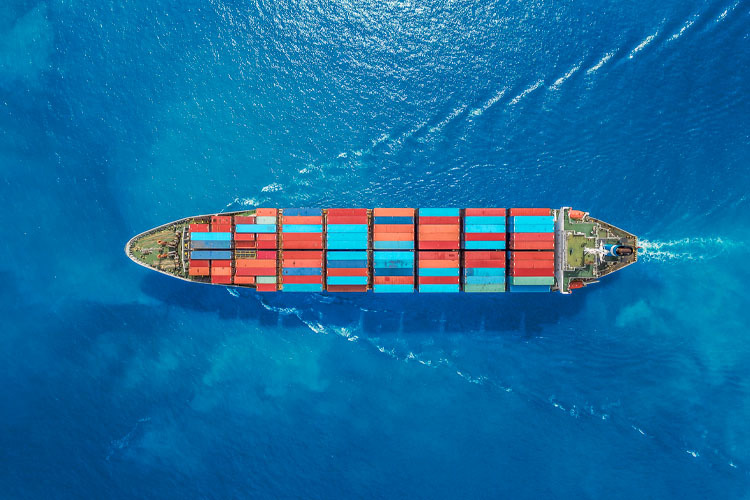
The ocean is vital to international trade: more than 80 percent of global trade moves by sea. Maritime supply chains function as the circulatory system of the global economy, transporting strategic and high-value goods around the world.
This intensive use of the ocean for trade has driven both overexploitation and pollution. Protecting marine ecosystems, therefore, requires rethinking how supply chains operate—from proper waste management and strict enforcement of environmental regulations, to cleaner production processes, reduced agricultural chemical use, and sustainable fishing practices. Even marine resource extraction can minimize its footprint through cleaner fuels and responsible operations.
.
Reference
Cordova, M., Batista Fertig, M., & Schneider, I. (2025). Impacts of global supply chains on ocean health and mitigation practices: a systematic literature review. Cleaner Logistics and Supply Chain, 15, 100228.
.
Authors
Miguel Córdova is a professor at the Business School of Tecnológico de Monterrey, Mexico. He holds a PhD in Strategic Management and Sustainability. His research interests include power and influence, sustainable development, strategy, economic democracy, global supply chains, and the blue economy. He serves as president of the Teaching and Education Special Interest Group of the Academy of International Business (AIB), is an associate editor of the International Journal of Sustainability in Higher Education, and a member of the European Union’s Expert Council on Economic Democracy.
Marileia Batista Fertig is a professor at Universidade Alto Vale do Rio do Peixe (UNIARP), Brazil, and a doctoral candidate in Development and Society at the same institution. She holds degrees in Business Administration and Psychology and has more than 25 years of experience as an entrepreneur in the consulting sector. Her research focuses on organizational psychology, innovation, and strategy, with particular attention to top management team dynamics and organizational performance.
Ivanete Schneider Hahn is a professor in the Graduate Program in Development and Society at UNIARP, Brazil, where she has taught since 2014. She holds a PhD in Business Administration with an emphasis on Organizational Strategy and completed a postdoctoral fellowship in Innovation at the University of São Paulo (FEA-USP). Her research interests include strategy, international business, innovation, and sustainable development.