×

Sign up to our weekly newsletter

Subscribe!

EN

|

ES

Search

Center for Early Childhood

Sort by:

early childhood
Among the most striking findings: 88% of participants reported experiencing at least one adverse childhood experience.
Illustration of children around a book
A group of researchers from the School of Humanities and Education seeks to promote projects to ensure that children get a quality education.
a person walks with a child
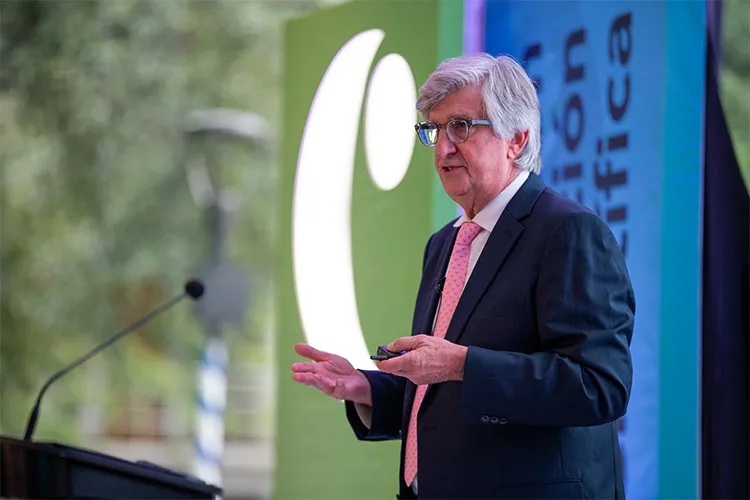
During the Early Childhood Forum, Philip Fisher, director of the Stanford Center on Early Childhood, explained the results of the specialized survey.
The Early Childhood Center developed the first national survey; these experiences can be counteracted.
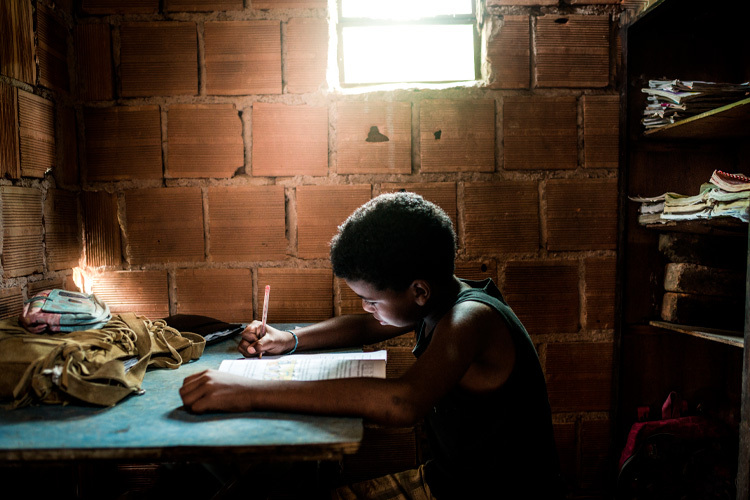
Image of a dimly lit room made of bricks, where a girl is seen writing in a notebook.
The IDB established a working agenda to find solutions to these challenges, which was presented during the Second International Early Childhood Forum.
Hirokazu Yoshikawa, co-director of the Global TIES for Children Center.
Hirokazu Yoshikawa studies the effects of programs related to immigration, early childhood, and youth development.
Illustration of children
The first results of the studies carried out at the Centre will be presented during the second International Forum on Early Childhood.
A pregnant woman sitting on a sofa with her hand on her forehead. The woman has a worried expression on her face and is looking down.
Childhood adversity has molecular, cellular, neurobiological, epigenetic, and behavioral effects that last into adulthood.
Four institutes, 32 research groups, four Core Labs, and the oriGen Project make Tec de Monterrey the most robust and connected ecosystem of applied research in Latin America.

image of a man in a conference
Only 7% of children under three have access to early stimulation, and 27% of those under five receive a timely assessment of their neurodevelopment

Center for Early Childhood

early childhood
Among the most striking findings: 88% of participants reported experiencing at least one adverse childhood experience.
Illustration of children around a book
A group of researchers from the School of Humanities and Education seeks to promote projects to ensure that children get a quality education.
a person walks with a child
During the Early Childhood Forum, Philip Fisher, director of the Stanford Center on Early Childhood, explained the results of the specialized survey.
The Early Childhood Center developed the first national survey; these experiences can be counteracted.
Image of a dimly lit room made of bricks, where a girl is seen writing in a notebook.
The IDB established a working agenda to find solutions to these challenges, which was presented during the Second International Early Childhood Forum.
Hirokazu Yoshikawa, co-director of the Global TIES for Children Center.
Hirokazu Yoshikawa studies the effects of programs related to immigration, early childhood, and youth development.
Illustration of children
The first results of the studies carried out at the Centre will be presented during the second International Forum on Early Childhood.
A pregnant woman sitting on a sofa with her hand on her forehead. The woman has a worried expression on her face and is looking down.
Childhood adversity has molecular, cellular, neurobiological, epigenetic, and behavioral effects that last into adulthood.
Four institutes, 32 research groups, four Core Labs, and the oriGen Project make Tec de Monterrey the most robust and connected ecosystem of applied research in Latin America.

image of a man in a conference
Only 7% of children under three have access to early stimulation, and 27% of those under five receive a timely assessment of their neurodevelopment

Sign up to our weekly newsletter!

Scientists, innovation and the stories that explain it all.