×

Sign up to our weekly newsletter

Subscribe!

EN

|

ES

Search

Institute for the Future of Education

Sort by:

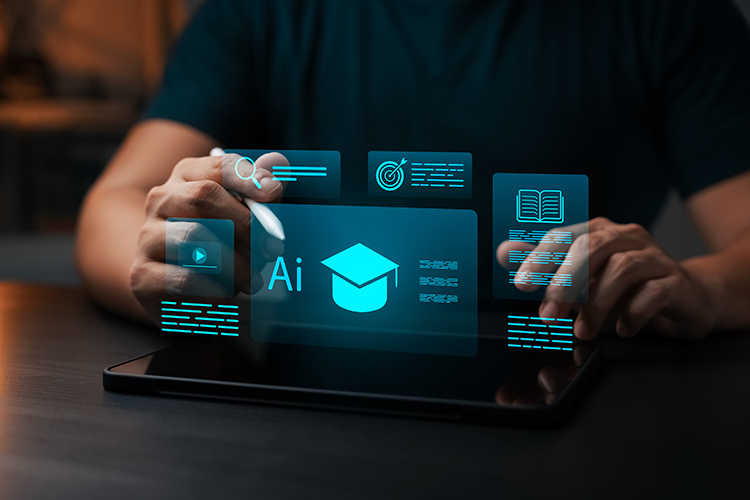
Artificial intelligence is already being used as a tool in classrooms, but it can be a double-edged sword: either accelerating learning or exposing deep inequalities.
video games in the classroom
Games like Minecraft and Overcooked were selected to help graduate students develop soft skills such as leadership and creativity.
Adopting AI in the classroom
Justin Reich, a researcher at MIT, notes that there are still no definitive best practices for integrating AI into classrooms, but there are clues.
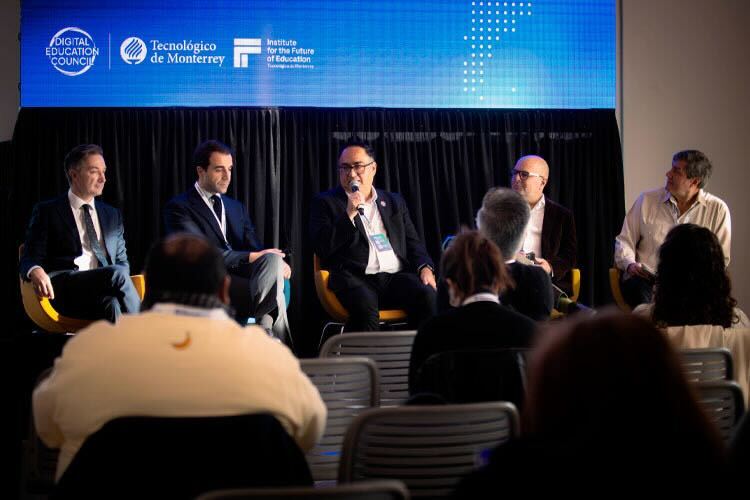
Photograph of five men sitting in chairs with a screen behind them
Artificial intelligence is increasingly being used by students and professors in higher education, according to a survey.
Latin America faces deep social disparities that demand closer collaboration between universities, industry, and governments to strengthen higher education and prepare people with the skills needed for the future workforce.
photo of Dominique Boullier
During the IFE Conference 2026, sociologist Dominique Boullier warned that the accelerated adoption of AI is undermining essential learning processes.
smart cities technology education
An interdisciplinary group of researchers published a book on how to build smart cities using AI, robotics, and gamification.
Illustration of a floating graduation cap, surrounded by technological symbols
A group of education experts say that research is one of the best ways to ensure that innovation has a real impact.
Yasmin Kafai from the University of Pennsylvania spoke at the IFE Conference 2026 about shifting the conversation around young people and their role in Artificial Intelligence.
Illustration of the author
Why do some people (and governments) choose to ignore scientific evidence? This reflection explores why science, even when it is clear, does not always manage to break through.

Institute for the Future of Education

Artificial intelligence is already being used as a tool in classrooms, but it can be a double-edged sword: either accelerating learning or exposing deep inequalities.
video games in the classroom
Games like Minecraft and Overcooked were selected to help graduate students develop soft skills such as leadership and creativity.
Adopting AI in the classroom
Justin Reich, a researcher at MIT, notes that there are still no definitive best practices for integrating AI into classrooms, but there are clues.
Photograph of five men sitting in chairs with a screen behind them
Artificial intelligence is increasingly being used by students and professors in higher education, according to a survey.
Latin America faces deep social disparities that demand closer collaboration between universities, industry, and governments to strengthen higher education and prepare people with the skills needed for the future workforce.
photo of Dominique Boullier
During the IFE Conference 2026, sociologist Dominique Boullier warned that the accelerated adoption of AI is undermining essential learning processes.
smart cities technology education
An interdisciplinary group of researchers published a book on how to build smart cities using AI, robotics, and gamification.
Illustration of a floating graduation cap, surrounded by technological symbols
A group of education experts say that research is one of the best ways to ensure that innovation has a real impact.
Yasmin Kafai from the University of Pennsylvania spoke at the IFE Conference 2026 about shifting the conversation around young people and their role in Artificial Intelligence.
Illustration of the author
Why do some people (and governments) choose to ignore scientific evidence? This reflection explores why science, even when it is clear, does not always manage to break through.

Sign up to our weekly newsletter!

Scientists, innovation and the stories that explain it all.