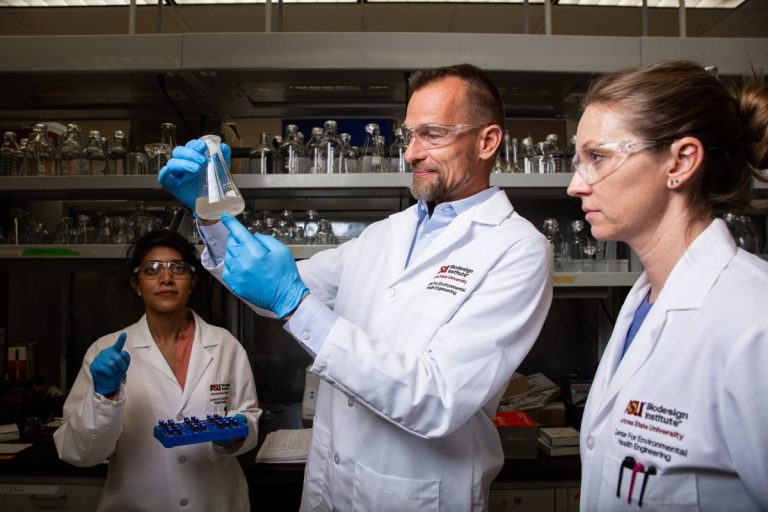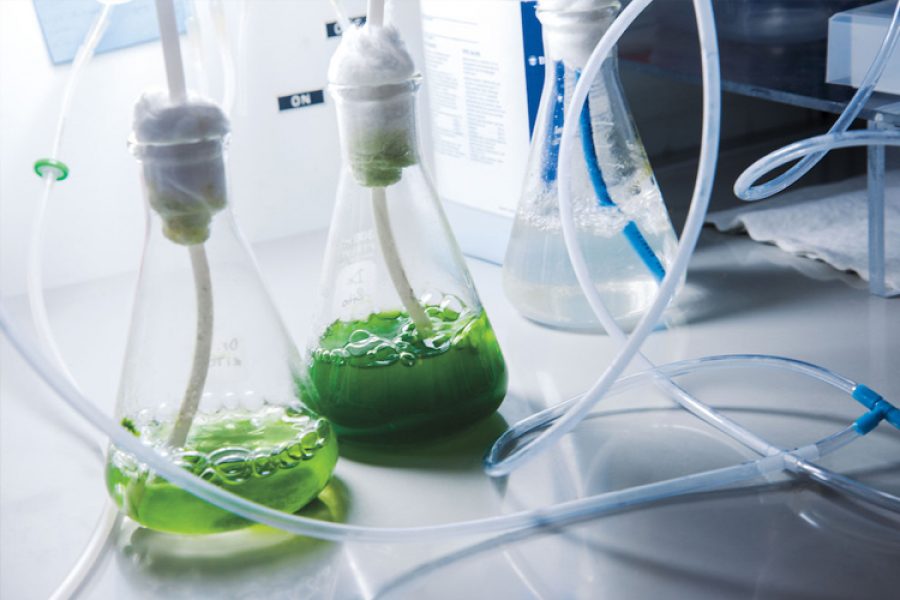


In Mexico, corn tortilla production generates waste such as nejayote, a byproduct that can pose environmental challenges. However, by harnessing microorganisms and emerging technologies, some of this waste can be turned into valuable resources, reducing its environmental impact.
This is just one example of how the bioeconomy aims to transform the way natural resources are used, drawing on scientific knowledge and technological advances to develop more sustainable production processes.
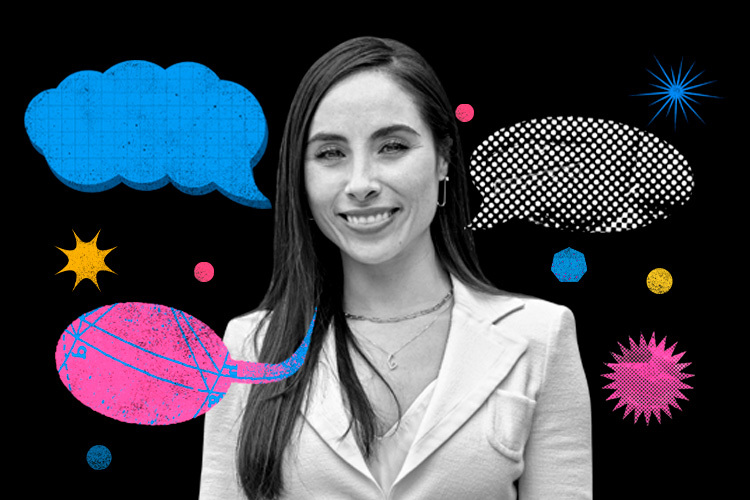
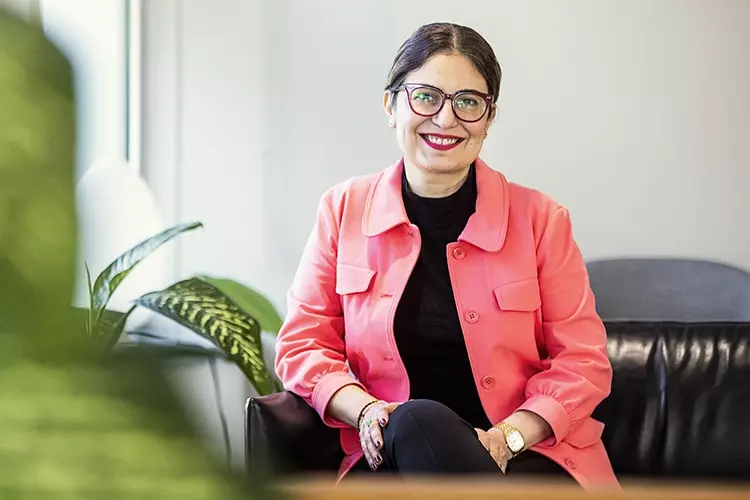
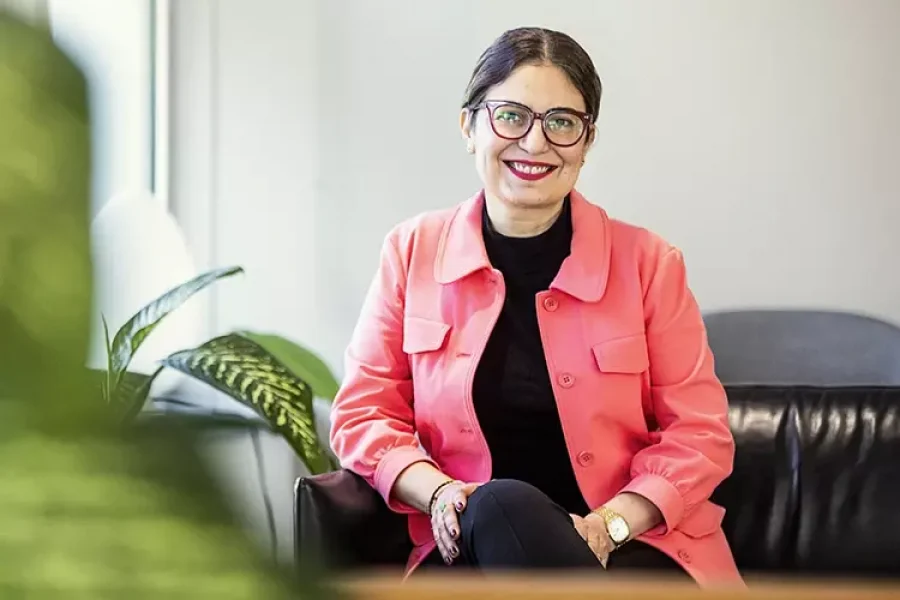
“The bioeconomy can be understood as the use of science, technology, or engineering to make the most of natural and biological resources in providing services or creating products,” explained Cristina Chuck, head of the Health Research Group at Tecnológico de Monterrey’s School of Engineering and Sciences (EIC).
Chuck spoke with TecScience on the sidelines of the Global Bioeconomy Alliance (GBA) 2026 Annual Conference, hosted by Tecnológico de Monterrey at its Monterrey campus. The event brings together researchers, students, and representatives from industry and government to share their latest work and initiatives in the field of bioeconomy.
The Bioeconomy: Toward a More Sustainable World
Challenges such as climate change and pollution have prompted industry, governments, and academia to seek alternatives to nonrenewable resources. The bioeconomy offers a way forward by harnessing biological resources to develop more sustainable products and processes.
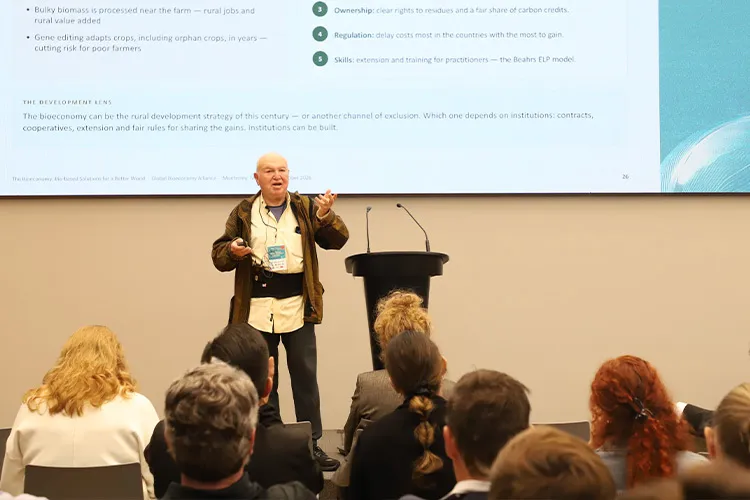
David Zilberman, a researcher in the Department of Agricultural and Resource Economics at the University of California, Berkeley, explained that this transition does not mean completely abandoning conventional materials and processes. Instead, it involves combining their advantages with the opportunities offered by biotechnology and other scientific tools.
During his presentation, “Biobased Solutions for a Better World,” Zilberman emphasized that the modern bioeconomy incorporates technologies such as artificial intelligence to develop solutions that can also compete in the marketplace.
“If you look at nature, nature is circular. Everything is recycled. So our challenge as humans is to take this process further and increase our food supply and other chemical supply while reducing our waste,” the expert said.
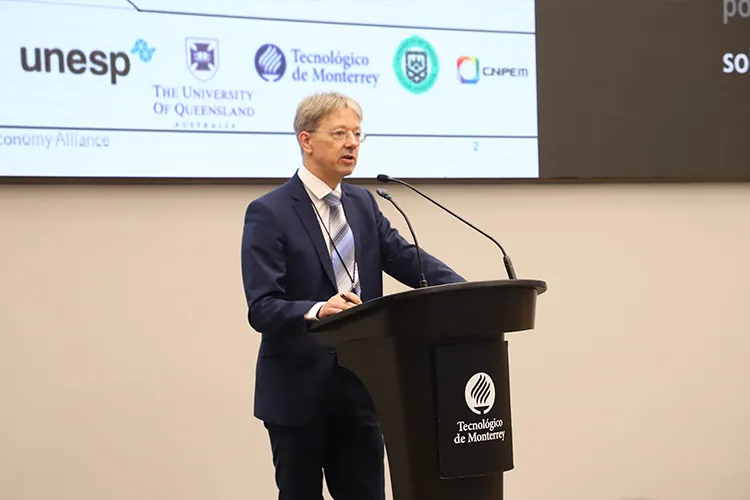
Meanwhile, Volker Sieber, president of the GBA and a professor at the Technische Universität München (TUM), stressed that the transition to a sustainable bioeconomy goes far beyond technological change.
“It requires us to rethink how we produce, how we use the resources we have, how we organize value chains, and how we balance economic development with environmental and societal challenges and social needs,” the GBA president said.
Sieber added that collaboration among researchers, universities, businesses, and governments is essential to turning scientific advances into solutions that make a meaningful difference in society.
Tecnológico de Monterrey’s Role in the GBA
Through this international alliance, Tecnológico de Monterrey collaborates with other higher education institutions, including the Technical University of Munich (TUM) in Germany, the University of Queensland (UQ) in Australia, and São Paulo State University (UNESP) in Brazil, to advance research and develop bioeconomy-related solutions.
“Being part of the GBA means collaborating with some of the world’s leading institutions in the field of bioeconomy,” said Daniel Jacobo, associate dean of Research at the School of Engineering and Sciences (EIC). He explained that, like the other institutions in the alliance, Tecnológico de Monterrey focuses on the circular economy and bioeconomy, finding ways to make use of waste, turn it into valuable resources, and contribute to the planet’s sustainability.
In an interview with TecScience, Jacobo explained that the alliance fosters scientific collaboration among researchers and students from participating universities while promoting joint projects aimed at developing solutions to industry challenges.
Jacobo highlighted that one of the key strengths of Tecnológico de Monterrey and its School of Engineering and Sciences is their expertise in biotechnology applications for sectors such as food and pharmaceuticals, along with their research infrastructure. Among these assets, he pointed to the FEMSA Biotechnology Center and the BlueFrontier Research Campus, where researchers are working on projects related to food innovation, agricultural production, and reducing postharvest losses.
Cristina Chuck noted that participating in the alliance also provides an opportunity to strengthen ties among universities, businesses, and governments, paving the way for research that addresses real-world societal needs.
“As a university, we always strive to ensure that the research carried out by our faculty and students has a direct social and economic impact,” the researcher said. “To achieve this, we need to collaborate and build relationships with industry, government, and communities, including civil society organizations.”
GBA Conference 2026: From Research to Real-World Solutions
The 2026 conference brings together representatives from 16 countries, 26 universities and research centers, and nine industry partners to share scientific advances and explore opportunities for collaboration.
Taking place from October 26 to 30, the event features discussions on waste recovery and reuse, the development of biomaterials, water management, and other technologies related to the bioeconomy.
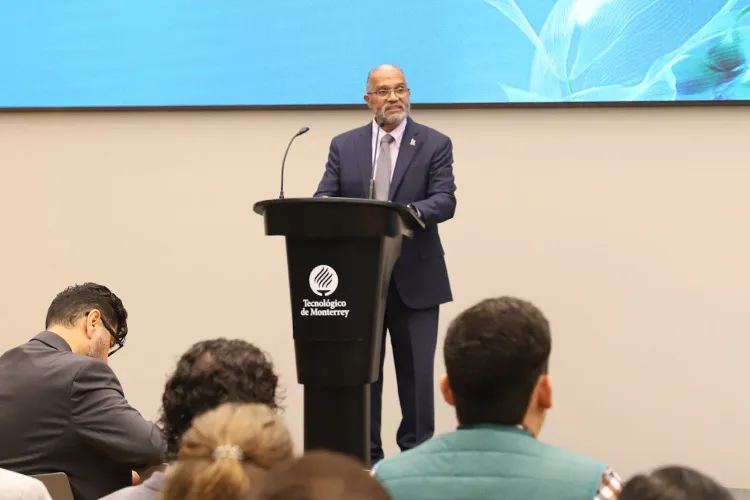
Feniosky Peña-Mora, dean of the School of Engineering and Sciences (EIC), emphasized that one of the biggest challenges is translating scientific advances into real-world applications.
“The theme of this conference, ‘Reimagining Key Technologies for the Bioeconomy,’ invites us to consider how scientific advances can improve the way we live and produce, how we can make better use of our resources and create economic opportunities while reducing our environmental impact,” the dean said.
Did this story interest you? Would you like to publish it? Contact our content editor to learn more: marianaleonm@tec.mx