

Obesity is often treated years after metabolic damage has already begun. According to Carolina Solis-Herrera, an endocrinologist at the University of Texas at San Antonio, the disease can silently drive diabetes, cardiovascular disease, and kidney complications long before patients receive medical intervention.
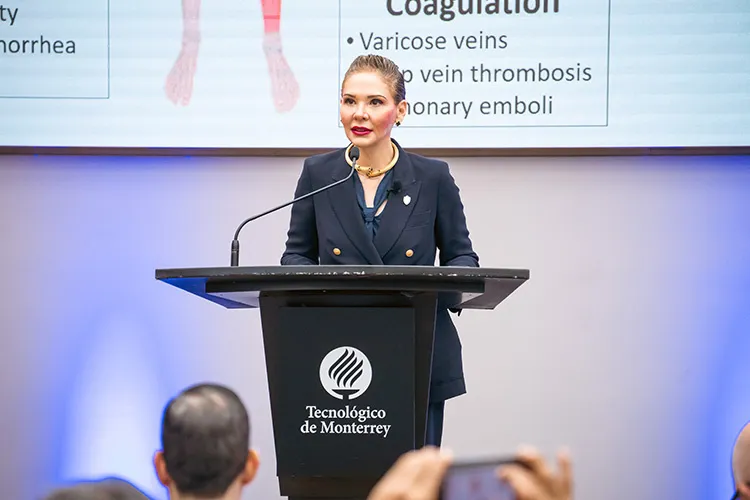
Speaking at the International Congress on Obesity Research hosted by the Institute for Obesity Research at Tec de Monterrey, Solis-Herrera warned that fewer than five percent of patients receive treatment and that physicians may wait five to six years before intervening. The congress brought together researchers and clinicians studying the biological and social drivers of obesity.
Childhood and Adolescent Obesity Are Rising Worldwide
For Solis-Herrera, one of the most troubling changes is the rise in obesity among children and adolescents. “Unfortunately, obesity is no longer an adult disease,” she explained.
The specialist highlighted that there are currently medicines approved for patients over 12 years old and the importance of intervening at an early age. This is crucial not only to prevent future metabolic complications but also to reduce the emotional and psychological burden obesity can have on young people. “During adolescence, there’s a lot of stigma, a lot of bullying, a lot of body image concerns, especially among girls,” she said.
Why Obesity Stigma Still Prevents Patients From Seeking Treatment
Solis-Herrera noted that despite greater scientific understanding of obesity, the stigma continues to affect many patients, especially due to aesthetic pressures and the perception that weight depends solely on individual efforts.
She also highlighted the influence that media and beauty standards have on body image at early ages. Still, she considers that today there is a greater scientific understanding of the disease.
“There is now much more understanding of why obesity develops and that it is not a problem of lacking willpower,” she said. “It is a chronic genetic inflammatory condition that requires long-term medication.”
How Obesity Drives Diabetes and Cardiovascular Disease
Solis-Herrera described these conditions as part of a broader cardiometabolic syndrome, reflecting the biological links between obesity, diabetes, cardiovascular disease, and other chronic disorders.
During her lecture, she emphasized that obesity should not be understood as an isolated condition but as a major driver of multiple diseases. “It is involved in more than 200 complications,” she explained, including diabetes, kidney disease, cancer, Alzheimer’s, and cardiovascular disease. The leading associated cause of death remains cardiovascular disease, so early intervention can prevent years of accumulated metabolic damage.

How GLP-1 Medications Changed Obesity Treatment
According to Solis-Herrera, GLP-1 receptor agonists have transformed obesity care because they target biological mechanisms involved in appetite regulation, metabolism, and weight management.
Earlier treatments typically resulted in weight loss of only five to seven percent and were often associated with significant adverse effects, ranging from addiction risks to teratogenic complications. By contrast, newer medications have demonstrated greater effectiveness and a more favorable safety profile, helping shift the conversation around obesity from appearance to metabolic health.
The COVID-19 pandemic further changed how obesity is perceived in medicine, Solis-Herrera explained. Patients with obesity faced higher risks of hospitalization and severe complications, even in the absence of other underlying conditions. For many clinicians, she said, this reinforced the understanding that obesity is not merely a matter of excess weight but also an inflammatory disease that can worsen a wide range of health conditions.
“There Are No Magic Medications”
While acknowledging the potential of these new therapies, Solis-Herrera cautions that they should not be seen as quick fixes. “There are no magic medications,” she said.
She explained that, just as with treatments for hypertension or diabetes, medications for obesity require long-term follow-up. “If you take obesity medication long-term and maintain a healthy weight, you will most likely not develop the complications associated with obesity.”
Why Obesity Is Still Treated Too Late
Beyond obesity alone, another central theme of her lecture was cardio-renal-metabolic syndrome, a framework that recognizes the biological connection between obesity, diabetes, kidney disease, and cardiovascular disease.
She explained that one of the main problems is “therapeutic inertia,” treating conditions like hypertension or diabetes first without intervening early on the obesity that triggered them.
According to her, many patients arrive with hypertension, sleep apnea, or diabetes, but treatment rarely addresses the excess weight that set off those conditions immediately. “The average body mass index at which doctors begin treatment is 37,” she said. “We are talking about 27 with a complication, or 30.”
Waiting five to seven years to intervene, she added, allows cardiovascular, metabolic, and renal complications to develop that could have been prevented.
The Importance of Validating Patients
Solis-Herrera also spoke about the difficulty many patients face in seeking help. “Sometimes patients feel embarrassed because they feel it is their fault,” she said.
For Solis-Herrera, recognizing obesity as a chronic disease rather than a personal failure is essential. Earlier intervention, she argues, could prevent years of cardiovascular, metabolic, and renal damage before complications become irreversible.
Were you interested in this story? Do you want to publish it? Contact our content editor to learn more: marianaleonm@tec.mx.