×

Sign up to our weekly newsletter

Subscribe!

EN

|

ES

Search

International Conference on Obesity Research

Sort by:

An IOR flagship project is generating new knowledge through cohort analysis and using scientific evidence to guide the development of healthier foods.
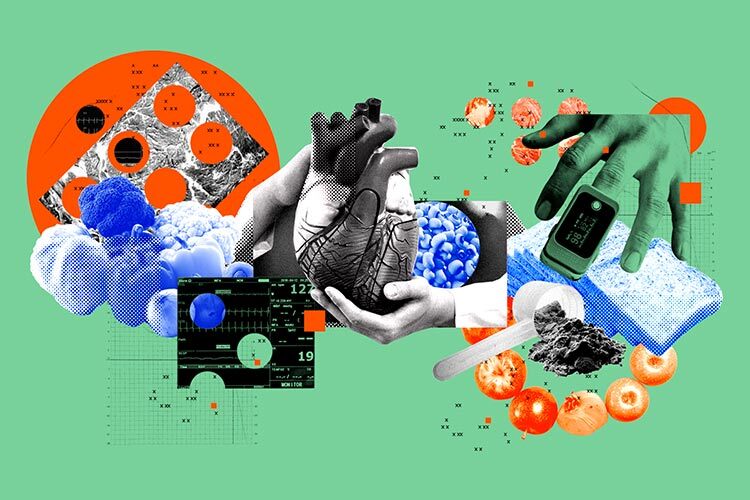
Illustration representing obesity, diabetes, cardiovascular disease, and metabolic health research.
Endocrinologist Carolina Solis-Herrera explains why obesity is the driving force behind diabetes, cardiovascular disease and kidney damage, and why delayed treatment remains one of medicine's biggest challenges.
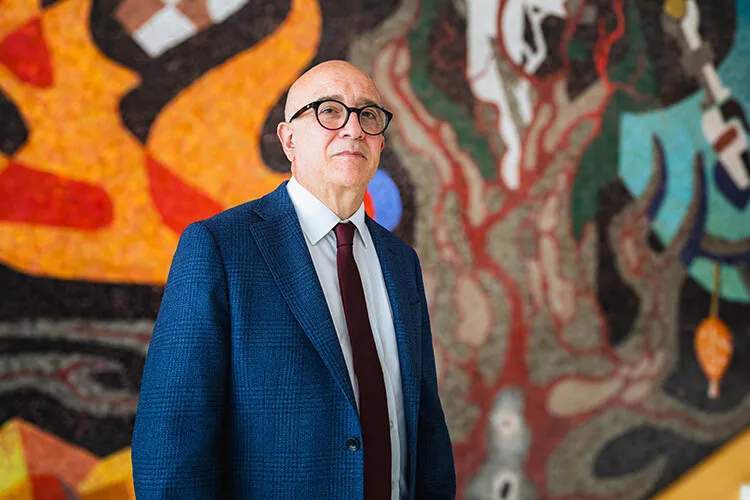
Antonio Vidal-Puig during the International Congress on Obesity Research at Tecnologico de Monterrey, where he discussed metabolic health, obesity and the limits of BMI as a predictor of disease.
During the International Congress on Obesity Research of Tecnologico de Monterrey, Antonio Vidal-Puig explained why metabolic dysfunction can begin long before it appears in traditional diagnostics.
Researcher Miguel Ruiz Canela presented scientific evidence from clinical trials on nutrition and lifestyle and their impact on disease prevention.
Karin Conde-Knap
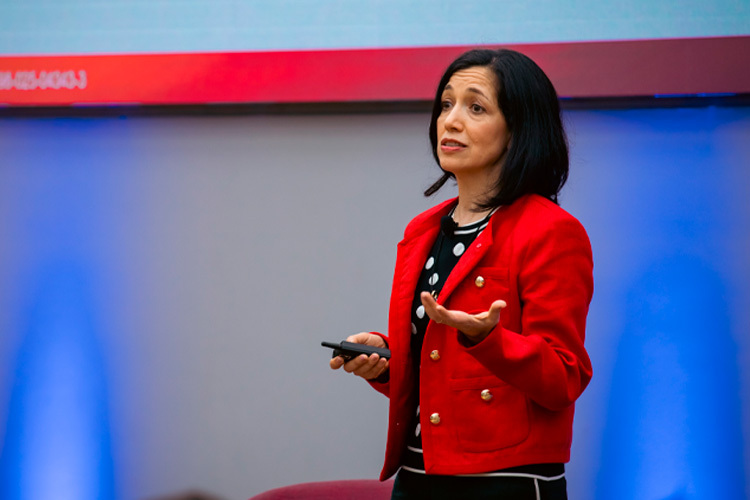
Karin Conde-Knape, scientific director at Valo Health, explains how new treatments are being developed.
Photograph of Mexican al pastor tacos with pineapple on a blue plate
Recent research suggests that the interaction between fats and the foods we eat changes the way we digest them.
image of a heart
At the Institute for Obesity Research, teams of scientists are developing innovative therapies for obesity-related conditions—going far beyond fat loss to tackle cardiovascular issues at the molecular level.
Linda Aurora Morales Juárez
Researcher Linda Aurora Morales Juárez focuses her work on understanding and tackling chronic diseases through public policy research.
José Antonio Palma is researching how specific vitamins could help prevent obesity-related diseases—such as insulin resistance—by reducing inflammation and oxidative stress.
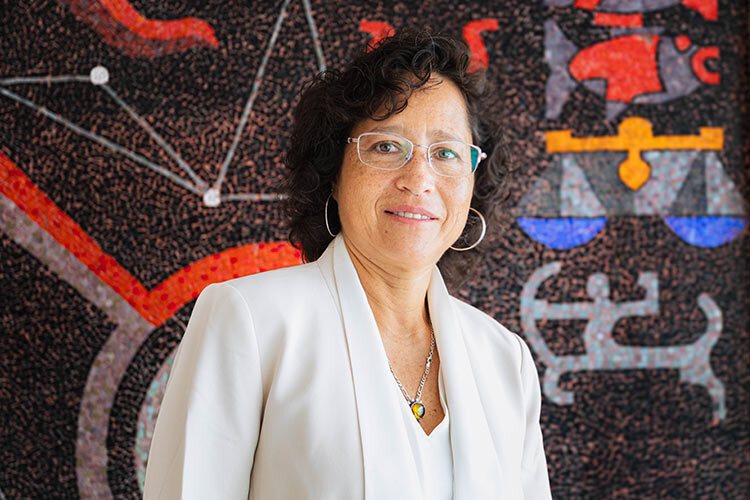
Rosa María Guéant 2025 International Congress on Obesity Research.
When a mother’s nutrition during pregnancy is inadequate, the fetus’s body gets “programmed” to function with fewer nutrients.

International Conference on Obesity Research

An IOR flagship project is generating new knowledge through cohort analysis and using scientific evidence to guide the development of healthier foods.
Illustration representing obesity, diabetes, cardiovascular disease, and metabolic health research.
Endocrinologist Carolina Solis-Herrera explains why obesity is the driving force behind diabetes, cardiovascular disease and kidney damage, and why delayed treatment remains one of medicine's biggest challenges.
Antonio Vidal-Puig during the International Congress on Obesity Research at Tecnologico de Monterrey, where he discussed metabolic health, obesity and the limits of BMI as a predictor of disease.
During the International Congress on Obesity Research of Tecnologico de Monterrey, Antonio Vidal-Puig explained why metabolic dysfunction can begin long before it appears in traditional diagnostics.
Researcher Miguel Ruiz Canela presented scientific evidence from clinical trials on nutrition and lifestyle and their impact on disease prevention.
Karin Conde-Knap
Karin Conde-Knape, scientific director at Valo Health, explains how new treatments are being developed.
Photograph of Mexican al pastor tacos with pineapple on a blue plate
Recent research suggests that the interaction between fats and the foods we eat changes the way we digest them.
image of a heart
At the Institute for Obesity Research, teams of scientists are developing innovative therapies for obesity-related conditions—going far beyond fat loss to tackle cardiovascular issues at the molecular level.
Linda Aurora Morales Juárez
Researcher Linda Aurora Morales Juárez focuses her work on understanding and tackling chronic diseases through public policy research.
José Antonio Palma is researching how specific vitamins could help prevent obesity-related diseases—such as insulin resistance—by reducing inflammation and oxidative stress.
Rosa María Guéant 2025 International Congress on Obesity Research.
When a mother’s nutrition during pregnancy is inadequate, the fetus’s body gets “programmed” to function with fewer nutrients.

Sign up to our weekly newsletter!

Scientists, innovation and the stories that explain it all.