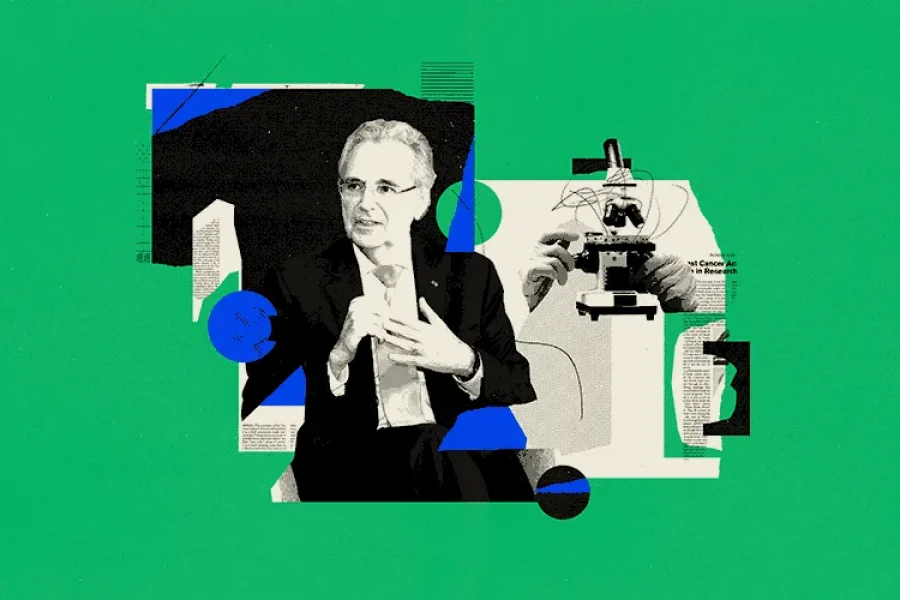


Authoritarian parenting styles and symptoms of depression in parents appear to be associated with children’s eating behaviors and, consequently, their weight. This is detailed in a study conducted by researchers Claudia Unikel Santoncini of the Ramón de la Fuente Muñiz National Institute of Psychiatry, Said Jiménez Pacheco of Tecnológico de Monterrey, and Iraís Castillo Rangel of the Autonomous University of Zacatecas.
In Mexico, childhood obesity represents a public health crisis. According to UNICEF data, an estimated four out of every 10 children and adolescents are overweight or obese. These conditions are often linked to a lack of physical activity and an unbalanced diet, without taking other contributing factors into account.
“Children ultimately become a reflection of what is happening in their environment—how their parents relate to one another and the context in which they grow up,” explains Said Jiménez, a psychologist and research professor at the School of Medicine and Health Sciences at Tec’s Mexico City campus.
This line of research emerged from the need to better understand how children’s mental health is connected to issues such as overweight and obesity.
Analyzing the Impact Of Parenting Styles
For the study, the researchers analyzed 372 parent–child pairs made up of fathers, mothers, or caregivers and their children across 16 public schools in Campeche and Mexico City. Families completed a series of questionnaires designed to assess mental health, parenting styles, and eating habits.
To ensure adherence to ethical standards, the team obtained approval from the Ethics and Research Committees of the National Institute of Public Health, along with informed consent from both parents and children.
Jiménez then analyzed the data collected between November 2023 and February 2024 using a statistical model to identify links between parenting style, caregivers’ mental health, children’s eating behaviors, and their body mass index.
The researchers focused on two parenting styles: authoritarian, which involves rigid discipline, strict rules, and limited communication; and authoritative, in which parents set clear boundaries while remaining open to dialogue and encouraging flexibility and emotional support.
They also assessed certain symptoms of depression in parents—not necessarily a clinical diagnosis, but rather everyday manifestations such as a persistently low mood or a loss of interest in activities once enjoyed. Additional symptoms included fatigue, changes in appetite, and sleep disturbances.
When “Disordered Eating Behaviors” Emerge
The researchers identified two ways these effects tend to manifest. On one hand, some children exhibit “food approach” behaviors, turning to food as a way to regulate emotions such as stress or anxiety. On the other, some display “food avoidance” patterns, restricting or avoiding food due to concerns about their weight or body image.
The findings indicate that factors such as authoritarian parenting and the presence of depressive symptoms in caregivers are indeed associated with changes in children’s eating habits. This appears to stem from the emotional climate at home, which can lead children to experience higher levels of stress.
In both cases, these responses fall under what specialists refer to as disordered eating behaviors—patterns that deviate from healthy eating habits.
“It’s striking that both types of behavior—emotional eating as well as food avoidance—show a positive association with weight gain in boys and girls,” Jiménez explains. “You might assume that if you avoid eating, you won’t gain weight. But the problem is that it often leads to compensatory behaviors, such as binge eating, creating a vicious cycle. In the end, both patterns contribute to overweight in the children we studied.”
A Protective Factor Against The Development Of Overweight
Additionally, the study found that children raised in environments characterized by an authoritative parenting style—that is, with flexibility, clear boundaries, open communication, and emotional support—did not show a significant association with these disordered eating behaviors. In fact, the researcher notes that this approach may serve as a protective factor against the risk of developing overweight.
Jiménez points out that this is a cross-sectional study, meaning it is based on data collected at a single point in time and does not allow for establishing cause-and-effect relationships. Even so, the findings offer meaningful clues.
“In public policy and among decision-makers, there is strong concern about factors like physical activity and healthier eating habits. It may also be worth putting on the table that mental health—not only in children but in parents as well—is a variable that can influence this issue,” the researcher says.
He adds that the study’s results pave the way for further exploration of these and other variables, such as the broader context and environments in which children live. They also provide a foundation for deeper investigation through longitudinal studies that follow participants over time, helping to clarify how the relationship between these factors and childhood overweight evolves.
Did you find this story interesting? Would you like to publish it? Contact our content editor to learn more at marianaleonm@tec.mx