

Micro and small enterprises (MSEs) account for more than 90% of all companies in Latin America and the Caribbean and generate roughly 47% of the region’s jobs. Yet 30% of them do not survive beyond their first five years, often due to challenges such as limited access to technology.
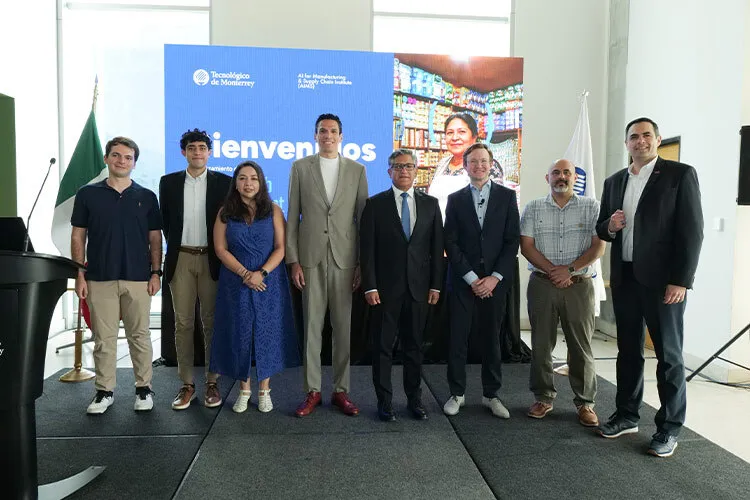
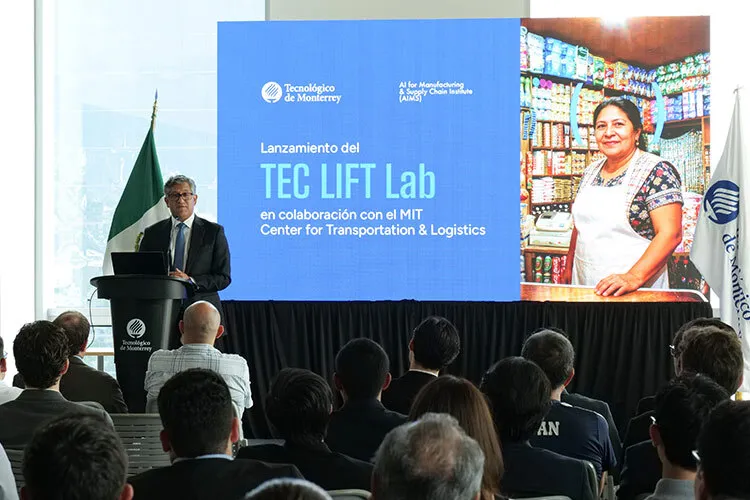
In response, Tecnológico de Monterrey’s educational group, through the AI for Manufacturing and Supply Chain Institute (AIMS), and the Massachusetts Institute of Technology (MIT) have relaunched the Low Income Firms Transformation (LIFT) Lab in Mexico, an applied research initiative aimed at strengthening microenterprises and small businesses across the region.
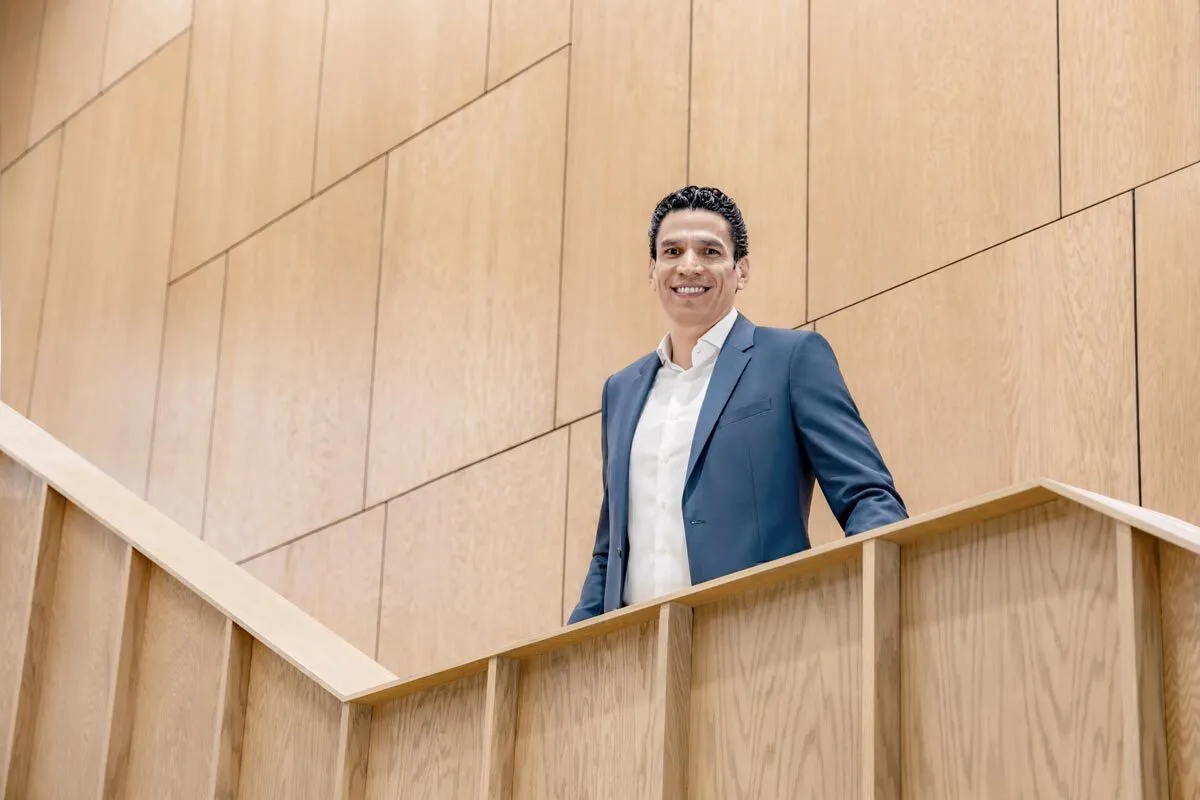
The LIFT Lab was founded at MIT in 2021 by Josué Velázquez, then a researcher at the Center for Transportation & Logistics and now director of AIMS. Its mission is to strengthen the management capabilities of these businesses in logistics and supply chains through artificial intelligence (AI) tools and collaboration with industry partners.
Today, the lab operates in 10 countries, works with more than 20 universities across the region, and has established partnerships with companies such as FEMSA.
“I think today is a special day because we are bringing a lab, we’re bringing a collaboration. We are continuing an extensive work that we have done with MIT for the last ten years,” said Javier Guzmán, Executive Vice President of Research at Tecnológico de Monterrey’s educational group. “Working on these types of projects that focus on micro companies, micro entrepreneurs, and the most vulnerable in society is a great thing that we can do for our country and for Latin America.”
Corner Stores, Small Shops, and Family-Run Eateries: The Challenge of Going Digital
At Tecnológico de Monterrey, the lab aims to expand the reach of technologies and projects that support micro and small enterprises in areas such as business management and workforce training, Velázquez said.
These businesses—which may include neighborhood convenience stores, small independent shops, and family-run eateries—typically have fewer than 10 employees and operate with limited resources, making it difficult for them to adopt new technologies and digitize their operations.
The laboratory’s research agenda focuses on developing solutions based on artificial intelligence, data analytics, and management practices, while helping close the knowledge gaps that many microentrepreneurs face.
Velázquez noted that several existing research tracks and projects from the MIT LIFT Lab will be expanded through greater involvement from Tecnológico de Monterrey students and faculty, including the AI for Inclusion initiative.
Lupita, the Virtual Assistant Helping Small Business Owners
Among the projects supported by the LIFT Lab is Lupita, a virtual assistant that serves as a business advisor for merchants, offering guidance on sales, inventory management, demand forecasting, and purchasing recommendations.
The system uses voice commands and simple conversations to deliver valuable information that supports better decision-making. “These are technologies that continue to evolve in ways that allow people with limited technical knowledge to access a world of opportunities for managing their businesses.”
Another area of focus is personalized training and education for business owners through intelligent tutors and AI-powered virtual avatars designed to communicate in approachable, everyday language.

Last-Mile Logistics
The laboratory will also develop projects focused on last-mile logistics, the most expensive segment of the supply chain. These efforts include solutions designed to optimize distribution operations between suppliers and small retailers.
One such project is CuantoTengo, which uses computer vision technology to analyze a photograph, identify products currently in inventory, and determine when restocking is needed.
“If we can produce research that helps improve the survival rate of these stores, increase ordering frequency, and strengthen their relationships with key suppliers, it will help the entire ecosystem create value,” said the director of AIMS.
Velázquez also highlighted another area of research focused on understanding consumer behavior and the dynamics of surrounding communities. These studies involve thousands of shoppers and seek to better understand their needs, demand for products and services, as well as purchasing habits and business opportunities.
The laboratory supports projects that generate data on the behavior of the various participants in the commercial ecosystem. One example is the LIFT Performance Index, which helps measure the performance of micro and small enterprises by tracking variables such as sales, inventory levels, and demand patterns. The goal is to generate evidence-based insights into the conditions and challenges facing small businesses.

E-Commerce and Product Customization Are Making Operations More Complex
Matthias Winkenbach, Director of Research at the MIT Center for Transportation & Logistics, welcomed the launch of the LIFT Lab at Tecnológico de Monterrey and noted that supply chains are becoming increasingly complex due to the growth of e-commerce, product customization, and geopolitical uncertainty.
“The beauty of Lift Lab is that it connects these two really good causes—economic impact and social impact—with academic rigor. It connects them to state-of-the-art methods, and it also connects them to education,” the researcher said.
In his presentation, From Point Solutions to Systems: AI for Manufacturing and Supply Chains, Winkenbach explained that growing expectations for faster deliveries can be addressed through artificial intelligence. The technology has the potential to help organizations build systems capable of coordinating multiple operations across supply chains.
“Industry doesn’t need more point solutions. They need tools that look at their supply chain or manufacturing systems as a whole,” he said.
The Goal: Reaching 300,000 Stores
For Josué Velázquez, the laboratory has significant potential to benefit communities that depend on micro and small businesses for employment and income. “We certainly want to make an impact on industry, but we also want to reach those who need it most—vulnerable communities.”
One of the lab’s goals is for its research to affect approximately 300,000 stores within the next three years through the implementation of technology-based solutions and training programs.
Velázquez added that the success of the LIFT Lab will not be measured by the number of tools or projects it develops, but by its ability to strengthen one of the most important sectors of the regional economy. The ultimate metric, he said, is whether businesses survive and grow.
“I would like to see the day when this sector becomes the primary driver of economic growth in our country. That’s when we will know that real change has taken place,” said the director of AIMS.
Tecnológico de Monterrey’s educational group has been a key partner, with faculty members and thousands of students from Tec and Tecmilenio participating in fieldwork and research projects. The relaunch of the laboratory, now operating as one of AIMS’s initiatives, took place during the MIT LIFT Lab Research Fest @ Tec 2026.
Were you interested in this story? Do you want to publish it? Contact our content editor to learn more marianaleonm@tec.mx.