×

Sign up to our weekly newsletter

Subscribe!

EN

|

ES

Search

Institute for Obesity Research

Sort by:

Image of a DNA strandon top of a clock
A study from the University of Chile investigates the link between being overweight and how this influences our biological clock.
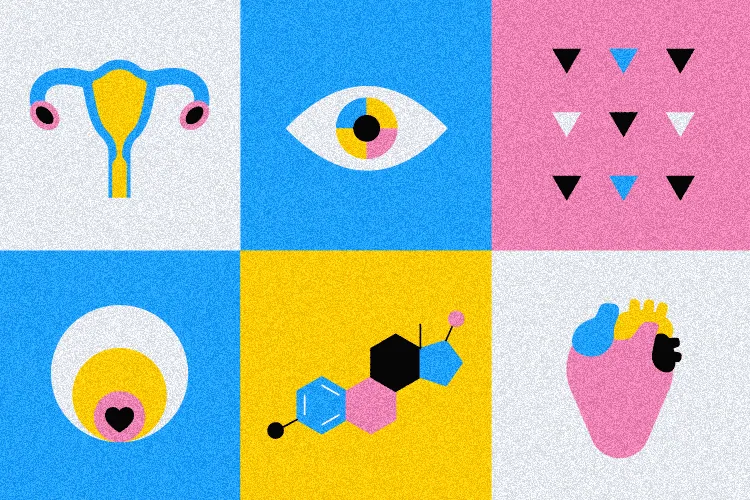
The image shows a series of illustrations of different parts of the human body. The illustrations are done in a simple and linear style, with black lines on a white background. The body parts shown are: A uterus An eye A heart A molecule
Understanding the mechanisms behind this protection could help explain why menopausal women suffer more from obesity-related damage.
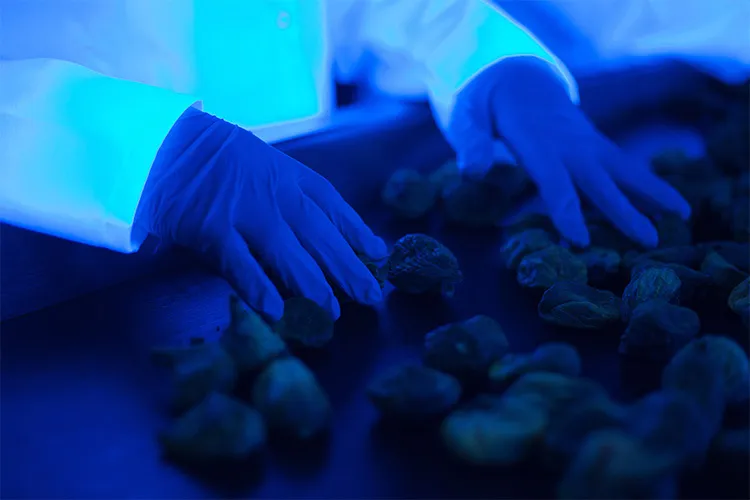
Photograph of vegetables under UV light
Researchers from the Institute for Obesity Research delve into the health benefits of applying this technique to fruits and vegetables.
Four institutes, 32 research groups, four Core Labs, and the oriGen Project make Tec de Monterrey the most robust and connected ecosystem of applied research in Latin America.
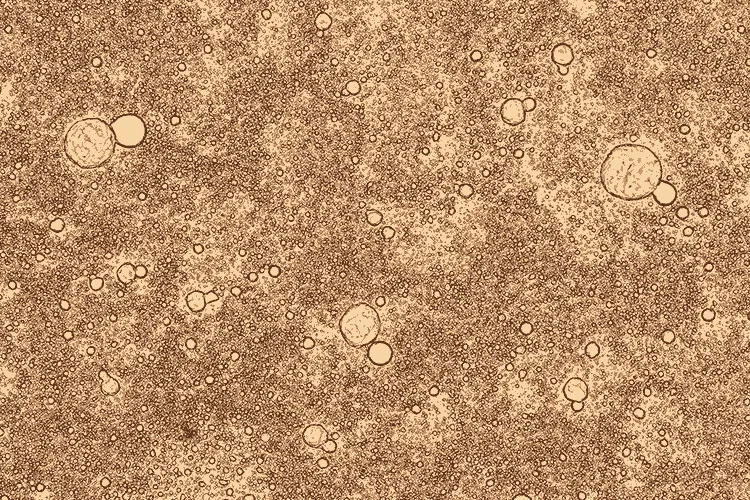
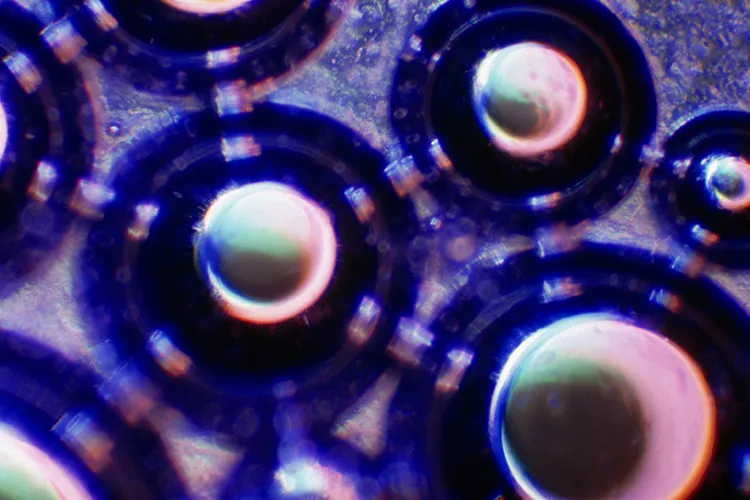
Color photography of human breastmilk seen through a microscope
Researchers around the world are studying the risks of microplastics contained in human breast milk and formula.
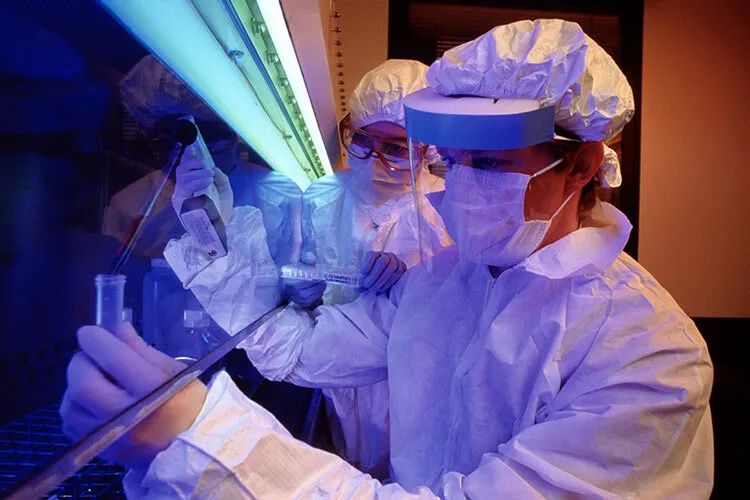
Photograph of a scientist dressed in protective equipment in an extraction hood
Sergio Lavandero, director of the Advanced Center for Chronic Diseases, warns that more investment in science is needed to confront the problem.
image of saliva under de microscope
Glucose tests can be manipulated because patients eat healthily in the days before them, unlike their usual diet.
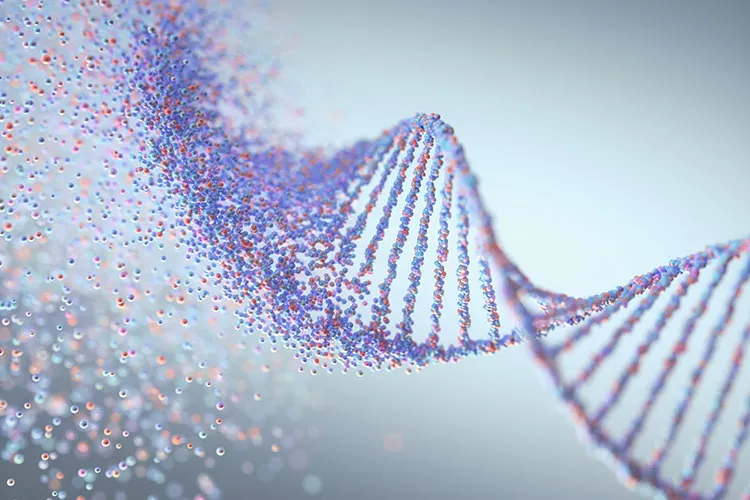
An illustration of the DNA double helix
At the Institute for Obesity Research, they are looking to add a marker to the tools we have to know if a patient has metabolic damage.
A set of evidence-based public policies is needed to confront and truly solve the obesity pandemic humanity faces.
image of a researcher in the lab
The Canadian company and Tec de Monterrey are investigating medical therapies using CBD; these studies are preclinical.

Institute for Obesity Research

Image of a DNA strandon top of a clock
A study from the University of Chile investigates the link between being overweight and how this influences our biological clock.
The image shows a series of illustrations of different parts of the human body. The illustrations are done in a simple and linear style, with black lines on a white background. The body parts shown are: A uterus An eye A heart A molecule
Understanding the mechanisms behind this protection could help explain why menopausal women suffer more from obesity-related damage.
Photograph of vegetables under UV light
Researchers from the Institute for Obesity Research delve into the health benefits of applying this technique to fruits and vegetables.
Four institutes, 32 research groups, four Core Labs, and the oriGen Project make Tec de Monterrey the most robust and connected ecosystem of applied research in Latin America.
Color photography of human breastmilk seen through a microscope
Researchers around the world are studying the risks of microplastics contained in human breast milk and formula.
Photograph of a scientist dressed in protective equipment in an extraction hood
Sergio Lavandero, director of the Advanced Center for Chronic Diseases, warns that more investment in science is needed to confront the problem.
image of saliva under de microscope
Glucose tests can be manipulated because patients eat healthily in the days before them, unlike their usual diet.
An illustration of the DNA double helix
At the Institute for Obesity Research, they are looking to add a marker to the tools we have to know if a patient has metabolic damage.
A set of evidence-based public policies is needed to confront and truly solve the obesity pandemic humanity faces.
image of a researcher in the lab
The Canadian company and Tec de Monterrey are investigating medical therapies using CBD; these studies are preclinical.

Sign up to our weekly newsletter!

Scientists, innovation and the stories that explain it all.