
When Mexico, the United States, and Canada secured the joint hosting rights for the 2026 FIFA World Cup, much of the attention focused on economic benefits, infrastructure investments, and, of course, the sporting spectacle itself. As the tournament approached, however, another equally significant dimension became increasingly apparent: the World Cup as one of the most ambitious exercises in regional cooperation in North America’s recent history.
The trilateral coordination meetings held in recent months have highlighted the level of cooperation required to host an event of this magnitude. The three governments have established mechanisms to share information, coordinate security protocols, and develop joint responses to emerging threats. Beyond the technical aspects, these efforts reflect a broader capacity to build collective responses to challenges that transcend national borders.
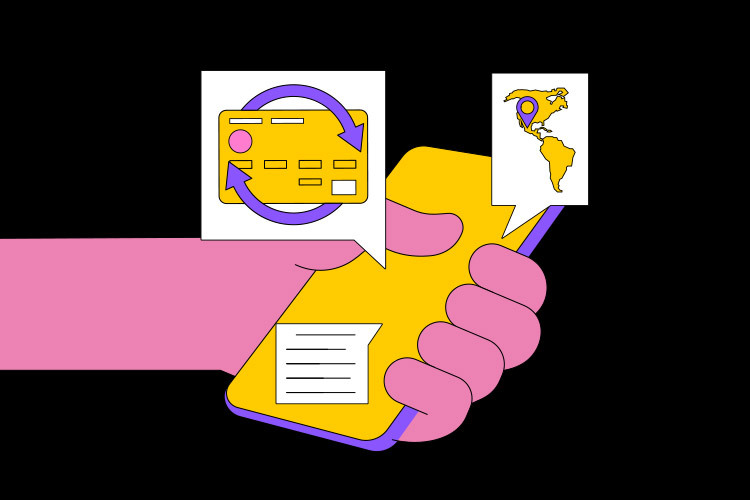
Yet one dimension of the World Cup has received far less attention: human mobility. The 2026 tournament will generate the movement of millions of people across the three host countries. Fans, journalists, temporary workers, volunteers, and sports delegations will cross borders continuously over several weeks. To a large extent, the success of the tournament will depend on governments’ ability to facilitate these movements through coordinated migration policies, information-sharing mechanisms, and administrative cooperation.
This is particularly noteworthy given that the tournament will take place in a region where human mobility has become one of the most politically sensitive issues of recent years. In the United States, migration remains a central topic in political debate. Mexico faces the challenge of managing mixed flows of migrants and asylum seekers while strengthening its institutional capacities. Canada, meanwhile, has increasingly engaged in discussions regarding the capacity of its reception and integration systems.
The paradox is clear. While the three governments are working to ensure the efficient movement of millions of tourists and international visitors during the World Cup, they continue to disagree on how to manage the movement of refugees, asylum seekers, and other categories of migrants. The same regional space that seeks to streamline border crossings for fans and sports delegations continues to debate how to respond to those who cross those borders in search of protection or better opportunities.
This tension offers an opportunity to reflect on how borders and regional cooperation are understood. After all, the World Cup will demonstrate that North America possesses the institutional capacity to coordinate large-scale cross-border flows of people when political will, shared objectives, and appropriate mechanisms for cooperation are in place.
Major sporting events have historically served as instruments of public diplomacy. The 2026 World Cup presents an opportunity to take the next step and use sport as a platform to promote dialogue, inclusion, and regional cooperation on shared challenges.
Mexico is particularly well positioned to advance this conversation. Over the past several decades, the country has simultaneously served as a place of origin, transit, destination, and return for migrants. Few states in the region have such diverse experiences with human mobility. This trajectory could translate into innovative proposals that complement the economic and security dimensions currently dominating the tournament’s agenda.
At the same time, Mexico could encourage a broader discussion about the type of legacy the World Cup will leave once the tournament concludes. Rather than measuring success solely through economic impact or visitor numbers, the three host countries could leverage this experience to strengthen permanent mechanisms of cooperation in areas related to mobility and inclusion.
History shows that mega-sporting events often leave ambiguous legacies. Some transform cities and strengthen institutional capacities; others are remembered primarily for their costs or controversies. The 2026 World Cup still has the opportunity to build a different kind of legacy: demonstrating that regional cooperation can extend beyond security and logistics to incorporate a human dimension.
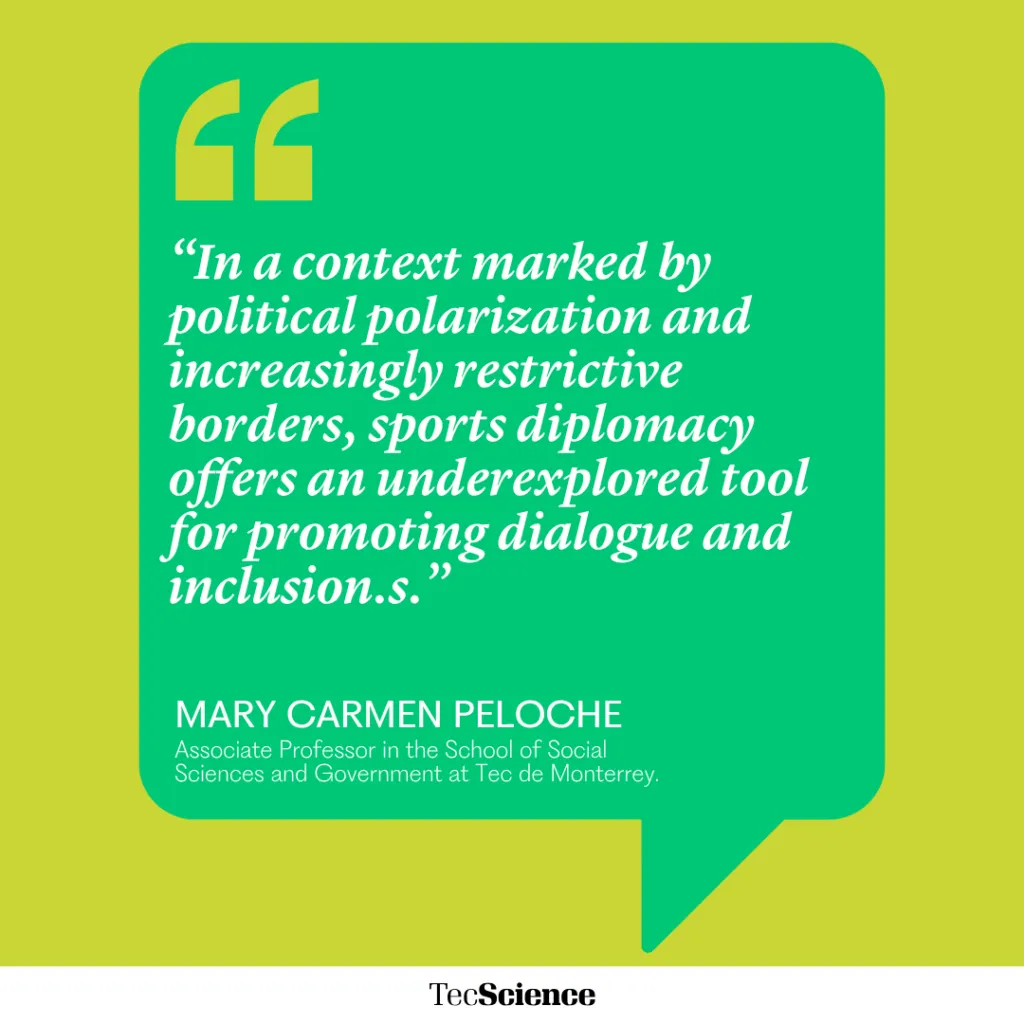
In a context marked by political polarization and increasingly restrictive borders, sports diplomacy offers an underexplored tool for promoting dialogue and inclusion. The question is not simply whether Mexico, the United States, and Canada will be able to organize a successful World Cup. The real question is whether they will be willing to use that experience to build a more cooperative vision of human mobility in North America.
If they succeed, the most important legacy of 2026 will not be found in the stadiums. It will lie in the ability to transform a football tournament into an opportunity to rethink regional cooperation around one of the most significant challenges of our time.
Author
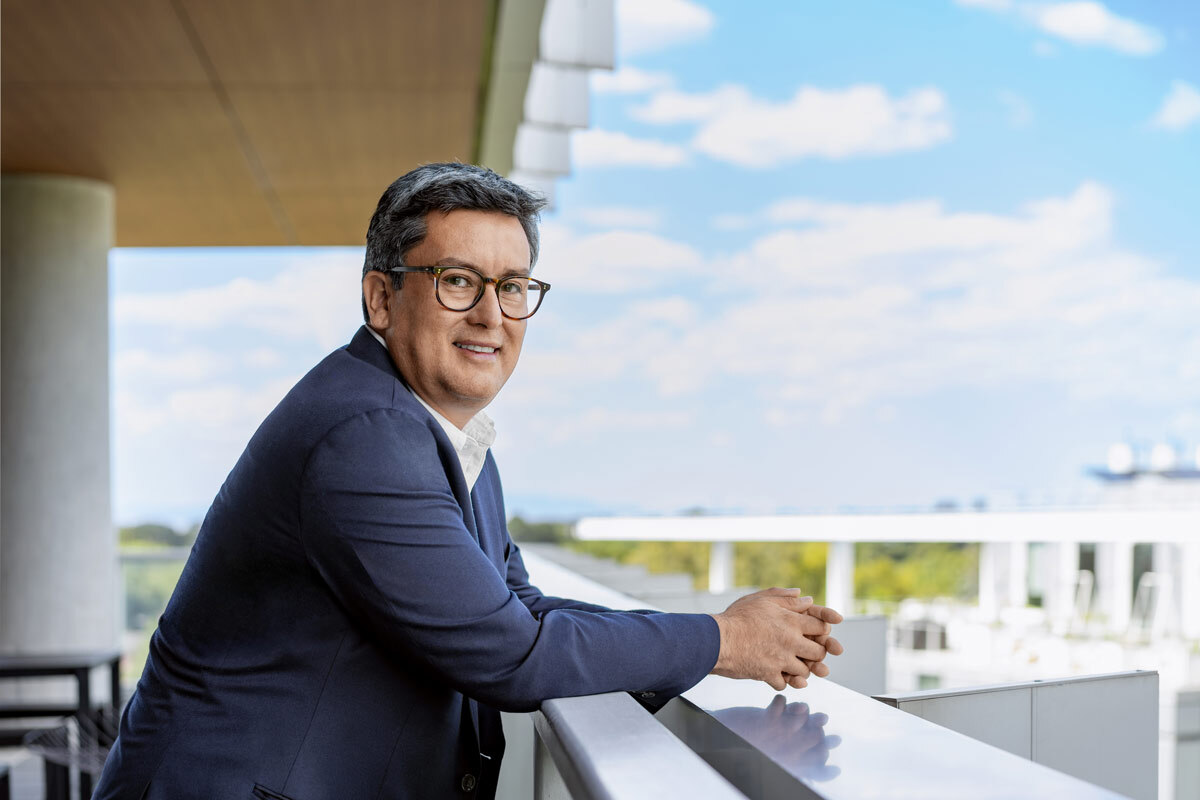
Mary Carmen Peloche Barrera is an Associate Professor in the School of Social Sciences and Government at Tecnológico de Monterrey, Puebla campus. Her research focuses on migration policies and the International Refugee Protection Regime. She is a member of several research groups and professional associations in the field of international relations, including the American Political Science Association and the Global Academic Interdisciplinary Network.