

In Mexico, more than 80% of businesses are family-owned, and these organizations are estimated to account for roughly two-thirds of the country’s employment. Within these businesses, decisions about innovation or launching new projects can become intertwined with relationships among spouses, siblings, parents, sons, daughters, and cousins.
Researchers at Tecnológico de Monterrey’s EGADE Business School conducted a study on the co-creation of sustainability projects in family businesses to better understand their dynamics and how different stakeholders—including family members, employees, and outside partners—contribute to developing new ideas.
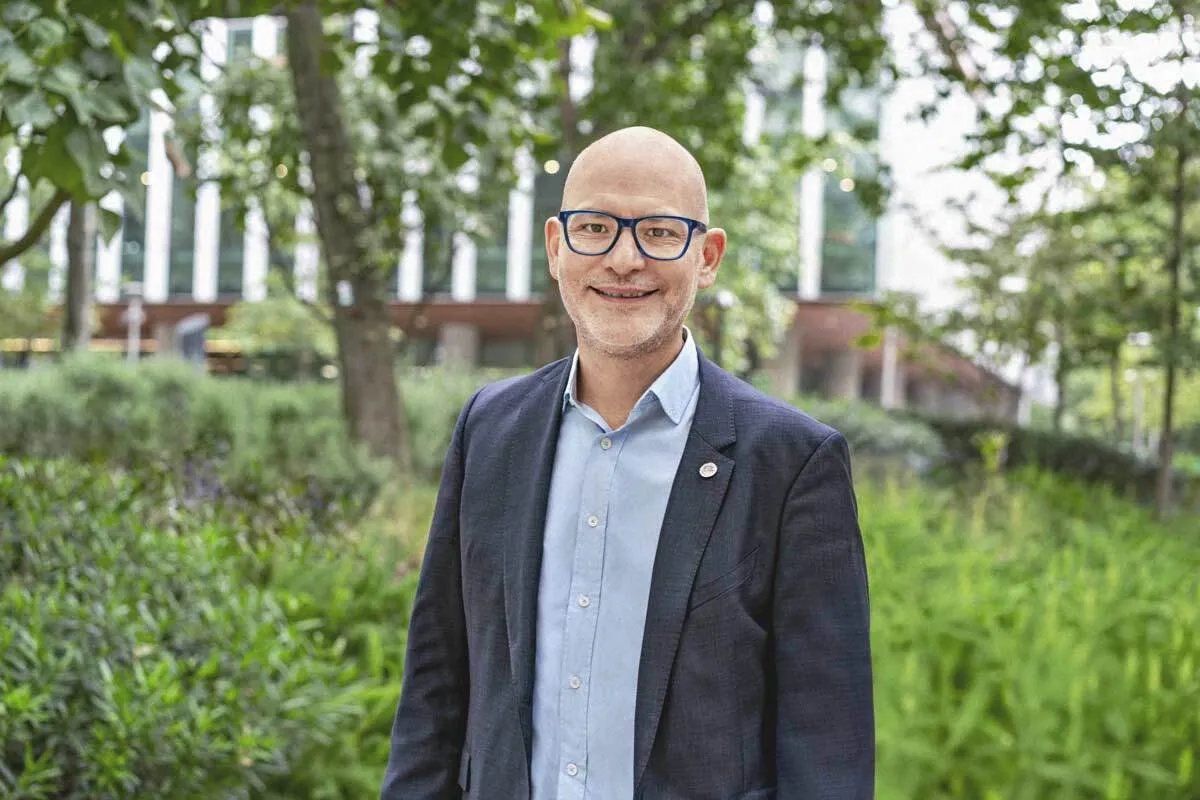
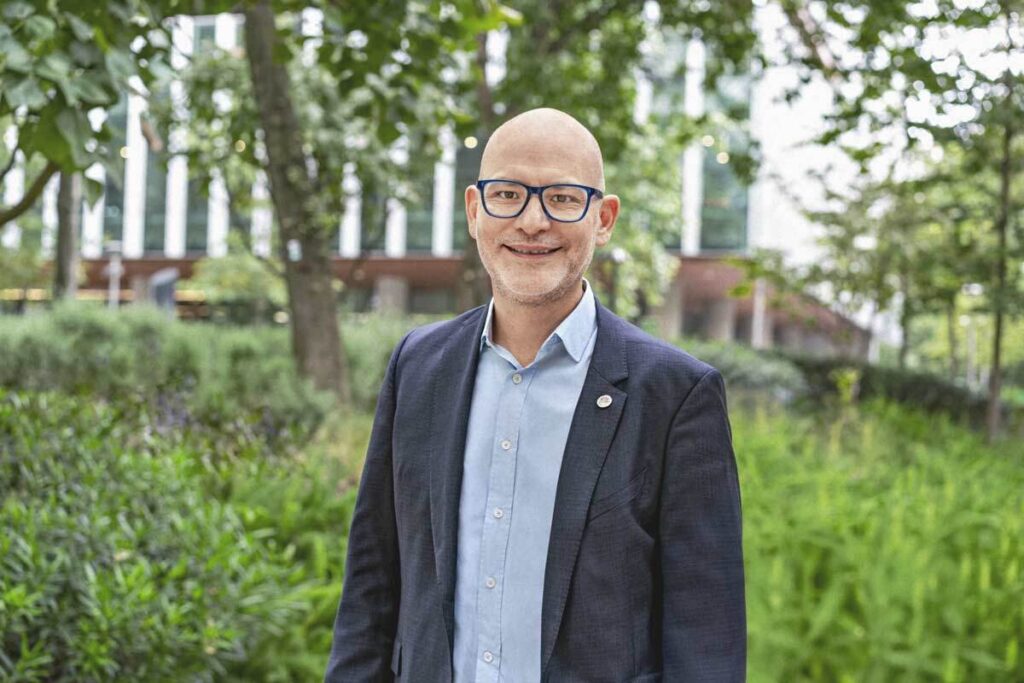
The research was conducted by Miguel Ángel Gil, a visiting professor, and Sascha Fürst, a research professor, both at Tec’s EGADE Business School. Gil is also a researcher at Jönköping International Business School in Sweden, while Fürst conducts research at the Turku School of Economics in Finland.
The concept of co-creation originally emerged in marketing to describe processes in which companies develop ideas or innovations by involving other stakeholders, such as their customers, Gil explains. Over time, researchers began applying this approach to entrepreneurship studies.
“When people talk about co-creation in entrepreneurship, they often mention business partners, investors, suppliers, and customers, but rarely family members,” he says. “What we wanted to do with this research was bring the concept of co-creation into the family business literature.”
Co-Creation in Family Businesses

To understand how co-creation processes unfold, the research team used a qualitative approach to analyze nine sustainability projects carried out by two family businesses.
The first was Lumbra, based in Mexico, where researchers examined four projects addressing environmental challenges, such as waste management and sustainability metrics. The second was Color Cacao, in Colombia, where they studied five initiatives focused on social challenges, including developing a fair-trade product and working with associations of producers.
To select the companies, the researchers reviewed a database of Latin American entrepreneurial ventures, looking for businesses in which family members played an influential role in shaping the company’s vision and strategy. Sustainability also had to be embedded in key aspects of the business, such as its business model and day-to-day operations.
The team spent nearly two years collecting data and another year analyzing it. Along the way, they conducted 39 interviews—totaling more than 2,500 minutes of conversation—with executives, employees, family members, and external stakeholders. They also reviewed public and private documents.
“As we conducted the interviews, we were also analyzing documents to verify the information and get a clearer picture of when things had happened. It was like putting together a timeline of events,” Gil explains.
Based on their analysis, the researchers identified six co-creation mechanisms grouped into three dimensions: how family members develop shared or differing views on sustainability initiatives, how they manage their involvement and control during co-creation, and whether they remain directly involved in the resulting initiatives or take a more distant role.
When Disagreement Actually Benefits a Business
One of the cases highlighted in the study took place at the Mexican company, where decision-makers were working on a project to improve waste management. The participants seemed to agree on how the project should move forward, but a different perspective ultimately changed the initiative’s direction.
Gil explains that the CEO’s wife questioned whether one of the suppliers they were considering actually met the environmental standards the company was looking for. Her concerns prompted the team to reconsider whether their initial choice was really the best option.
The company eventually switched to a local startup that offered more efficient waste management technology.
“That seems to be the magic of co-creation: You don’t need a team made up entirely of scientists or executives. It could be a customer who comes in with an idea, a supplier who thinks of something new, or your wife bringing a different perspective to the table. That’s how the innovation process gets started.”
The researchers found that quickly reaching a shared vision can make decision-making easier, but it can also limit the exploration of alternatives. By contrast, maintaining different interpretations may create tensions, but it can also open the door to new possibilities.
These two mechanisms, generating a shared view and conveying different interpretations, fall under the first dimension: family sustainable drivers and motivations, which examines how family members develop and express their perspectives on sustainability.
When Family Members Also Need to Step Back

The researchers also found that family members may participate directly in project decisions and activities, while at other times they may temporarily step back or limit their involvement without withdrawing entirely. Gil refers to these two mechanisms as family coupling and family decoupling, which fall under the second dimension: family sustainable management and control.
For example, during one project, disagreements arose with a family member over decision-making, prompting the group to establish boundaries around when and where they would discuss the issue. They agreed to keep those conversations out of their personal lives while continuing the dialogue during company meetings.
Family involvement can also evolve as co-created outcomes emerge. This dynamic is reflected in two additional mechanisms the researchers identified as family inclusion and family separation, which fall under the third dimension: family co-created sustainable outcomes. Gil explains that inclusion occurs when family members remain directly involved in an initiative, while separation happens when they step away from its direct management, although they may still retain some influence or serve as advisors.
According to Gil, these mechanisms can help family businesses recognize that family involvement does not have to be permanent or follow an all-or-nothing approach. Depending on the tensions that arise, businesses can set boundaries, bring a family member back into the process, or allow an initiative to move forward without their direct participation.
Although the study focused on sustainability projects, Gil believes its findings could also prove valuable in other contexts, such as innovation initiatives or times of crisis.
“We could miss out on innovation or lose market share because we’re no longer listening to people who could help us improve,” he says.
Were you interested in this story? Would you like to publish it? Contact our content editor to learn more: marianaleonm@tec.mx