

A protein extracted from frog skin could contribute to the development of new treatments against insulin resistance, oxidative stress, and inflammation, three processes related to diseases such as type 2 diabetes.
In a recent study, a group of researchers used genetic engineering tools to produce this molecule —called arenin— in large quantities and then tested it on three types of cells grown in the laboratory to investigate whether it had metabolic, anti-inflammatory, and antioxidant action.
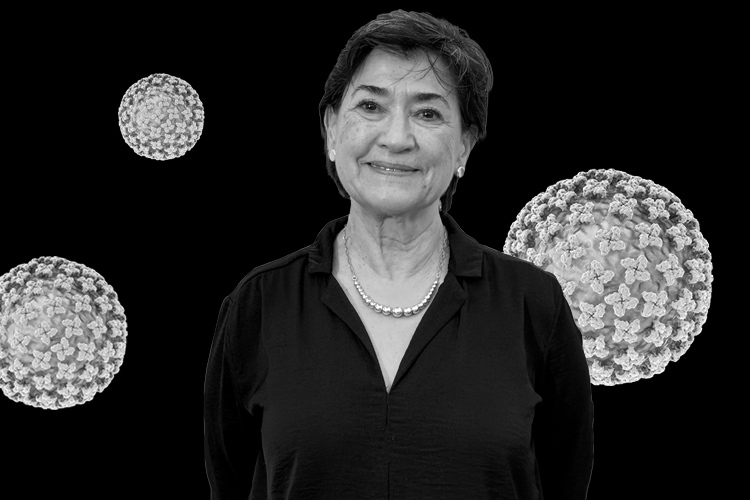
“One single molecule showed biological activity in three processes, which is not common, but it is desirable because it opens up possibilities for studying its potential biomedical applications,” says Enrique Hidalgo, research specialist at the Institute for Obesity Research (IOR) of Tecnológico de Monterrey.
In previous research, arenin, a protein extracted from the Dryophytes arenicolor frog —better known as the canyon frog—had been shown to inhibit the growth of microorganisms, but researchers wondered if it could also intervene in other processes related to metabolic diseases.
Amphibians, like this frog, produce substances in their skin that help them defend themselves against microorganisms, environmental threats, and predators. Some of these molecules have properties that could be used in medicine.
“We still need many experiments to know its exact function, but what we do know gives us an idea of why it has so many different activities,” says Hidalgo.
Experiments showed that arenin can improve glucose uptake, reduce reactive oxygen species, and modulate the immune response of cultured cells.
From Traditional Knowledge to Genetic Engineering
This line of research began in 2018, when Jesús Hernández, senior scientist at Core Lab Genomics, in collaboration with Hidalgo and researcher Jorge Benavides, identified and characterized an unknown protein in the secretions of the frog.
The protein belongs to a family known as Kunitz-type protease inhibitors, which can block enzymes responsible for degrading other proteins.
Their interest in studying it arose from accounts of Mexican communities who rubbed this animal on their skin to promote wound healing and prevent infections.
Thus, traditional knowledge inspired the question of the molecules behind those benefits. “All that ancestral knowledge we have in Mexico –which we often ignore– is not foreign to science,” Hidalgo reflects.
From there, the team dedicated themselves to investigating the various properties of arenin, which they named after the frog from which it was extracted. However, to study it in depth, it would have been necessary to constantly manipulate wild frogs.
“To obtain it we would have had to sacrifice many frogs, which is not something that we wanted,” the researcher recalls.
Hidalgo proposed using genetic engineering to introduce into bacterial cultures the instructions necessary for them to manufacture the molecule.
Once modified to produce it, they can be grown in large quantities and then researchers break the bacterial cells, recover the protein and purify it for experiments.
These biotechnology tools are fundamental because they allow us to study biodiversity without harming it.
One Molecule, Three Biological Activities
Once produced and purified, Hidalgo and his colleagues tested arenin on three types of cells grown in the laboratory:
- Human liver cells modified to exhibit insulin resistance.
- Human skin cells —called fibroblasts—.
- Mouse immune system cells—called macrophages.
In liver cells, they found that arenin significantly improved glucose uptake, increasing it from 23.97% in untreated cells to 62.68% in those that received the protein. This result was superior to that observed with rosiglitazone, a drug used to treat type 2 diabetes, which reached 55.72%.
The protein also reduced levels of reactive oxygen species —molecules that can oxidize cell components and damage them when they accumulate in excess— by approximately 84% in fibroblasts after 24 hours of exposure.
“This indicates that the protein may have antioxidant properties in this cell model,” Hidalgo explains.
Finally, in macrophages, arenin modified the production of nitric oxide, a compound involved in inflammatory responses. In the experiments, they observed that, under certain conditions, its production decreased. However, when the cells were not subjected to the inflammatory stimulus, some concentrations increased its production.
This suggests that arenin could function as an immunomodulator, that is, a substance capable of modifying the immune system’s response depending on the context.
This can be desirable because inflammation is not always harmful. For example, when we have a wound, the initial inflammation is necessary to activate the repair mechanisms. Subsequently, it must decrease to allow healing to continue.
“Inflammation is necessary in order to heal,” the expert emphasizes.
The Therapeutic Potential of Arenin
Looking ahead, the team has several objectives related to arenin. The first is to continue studying its biological activity in various cellular processes and its potential applications in medicine.
Furthermore, they have already applied for a patent related to this line of research, as it originated with the group. “There is no one else in the world working on this but us,” Hidalgo emphasizes.
Other objectives include understanding the molecular mechanisms that produce its biological activity, discovering which proteins and signaling pathways it interacts with, studying its safety, and determining its stability within an organism.
This last point is crucial, because a molecule can work very well in cultured cells, but degrade rapidly when introduced into a living organism.
So, before we can develop drugs from arenin, there are many steps to take, including evaluating it in live models and then conducting the necessary clinical trials to demonstrate its effectiveness and safety.
“There are many possible answers to questions we have today that can be found in Mexico’s biodiversity,” Hidalgo reflects.
Did you find this story interesting? Would you like to publish it? Contact our content editor to learn more: marianaleonm@tec.mx