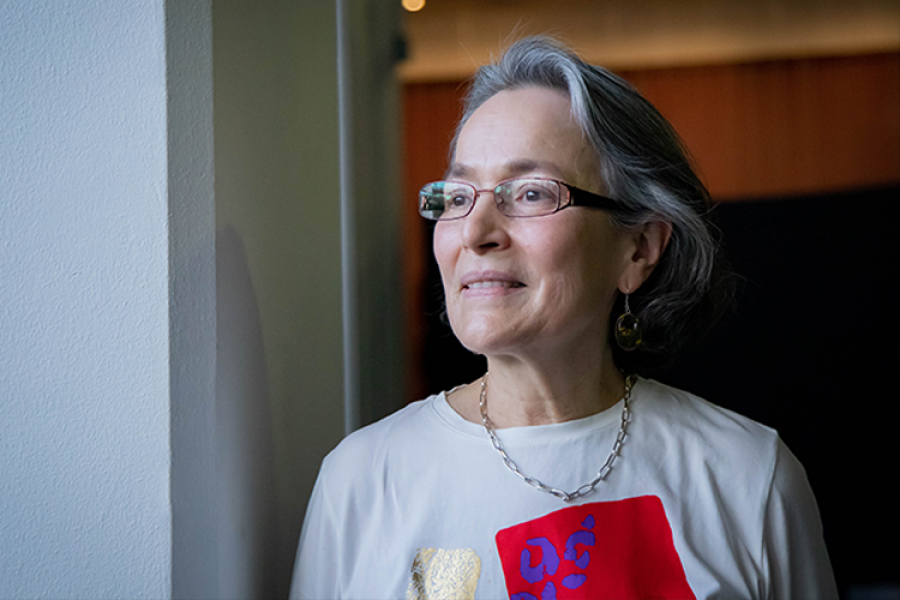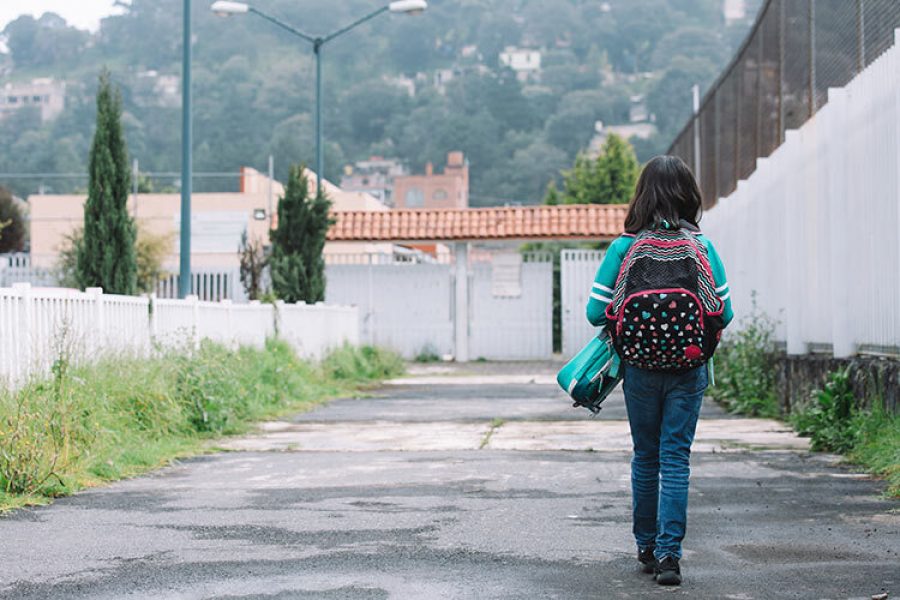


For 10 years, Alejandra Ayala was the primary caregiver for her mother, who had frontotemporal dementia, a condition that can cause changes in behavior and personality. Caregiving became so physically, mentally, and emotionally demanding that, when she woke up each morning, the first thing she did was check whether her mother was still breathing. She lived with the constant anxiety and fear that her mother might die while in her care.
Now, Alejandra shares her story in a space for dialogue and learning designed to raise awareness among Biotechnology Engineering students at Tecnológico de Monterrey’s School of Engineering and Sciences (EIC) about the needs of people with dementia, as well as those of their families and caregivers.
The gathering is part of the In Vitro Experimentation course block, which combines laboratory work with awareness-building activities so that future biotechnologists can engage directly with the communities that could ultimately benefit from the solutions they develop.
The initiative is led by Rocío Alejandra Chávez Santoscoy, a research professor at EIC, who wants students to focus not only on making their experiments work, but also to ask themselves whom they are conducting research for and what needs exist beyond the laboratory.
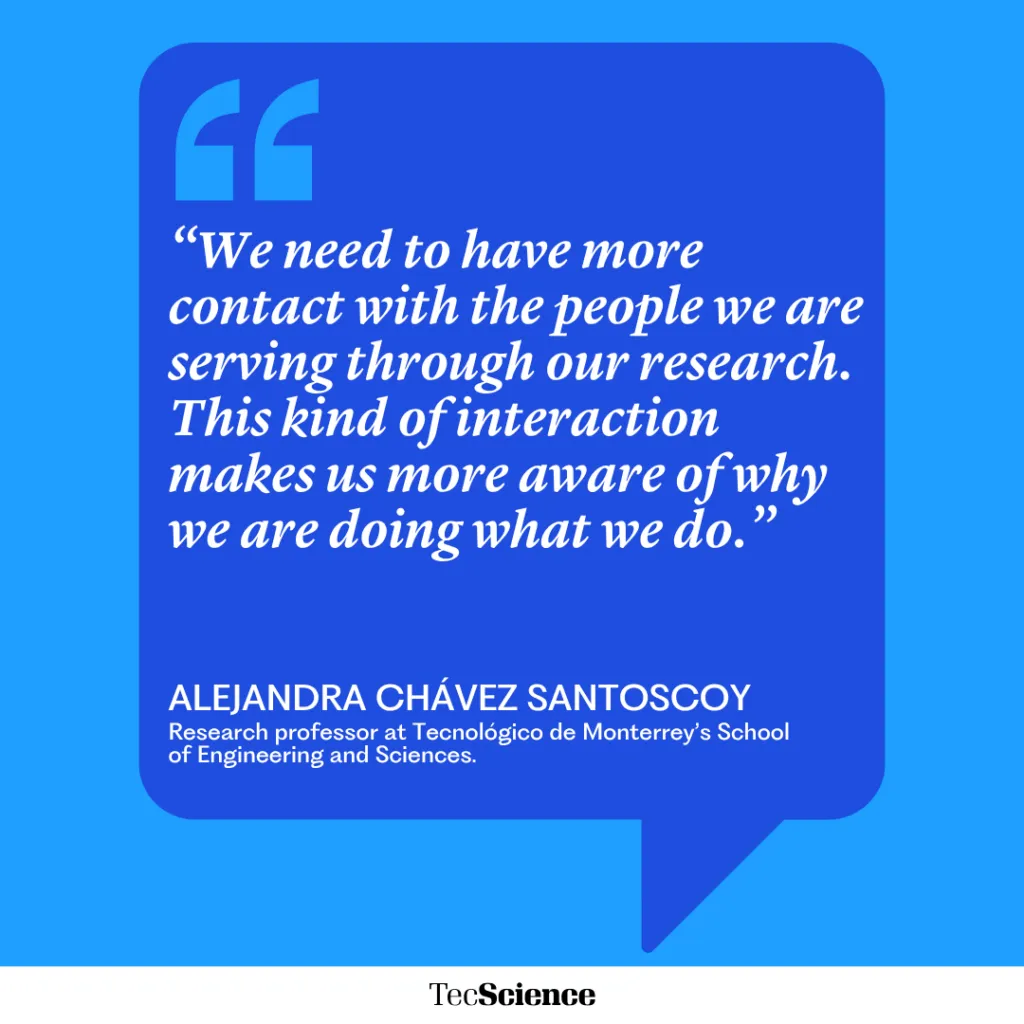
“We need to have more contact with the people we are serving through our research. This kind of interaction makes us more aware of why we are doing what we do and of the purpose behind it at the end of the day” Chávez Santoscoy explains.
As part of the course block, students assess the safety of a supplement developed by a startup that aims to promote mental clarity. Alongside their laboratory experiments, they also take part in awareness activities focused on Alzheimer’s disease and autism.
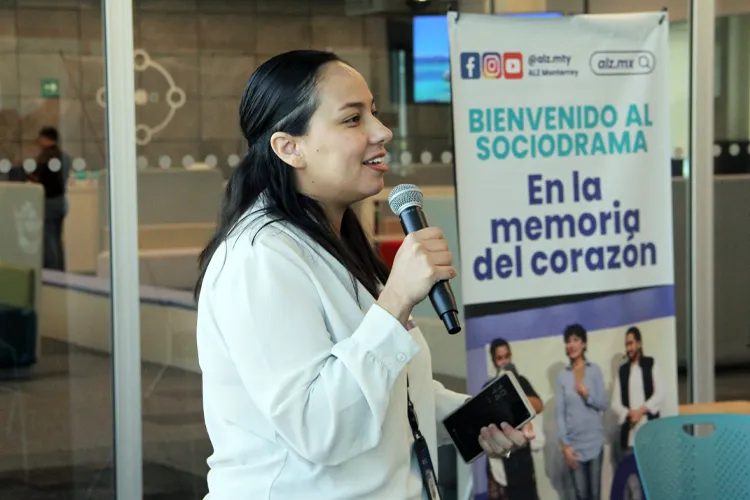
Alzheimer’s: Understanding Those Living with the Disease
One of these events, called “A Story About Memory,” organized in collaboration with the Alzheimer Monterrey Association, seeks to give students a closer look at the experiences of people with dementia and those who care for them.
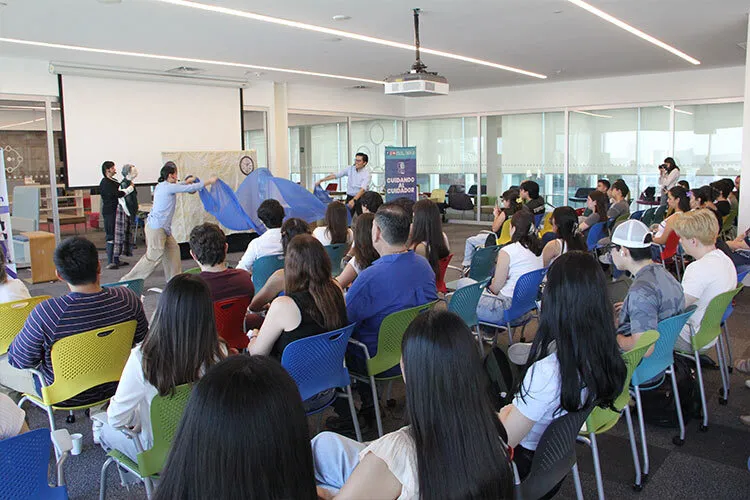
In addition to conversations with caregivers, the event features a performance by FOCO Teatro Monterrey that recreates situations families experience when a loved one has the condition. The event also presents information and data to help students grasp the broader scope of Alzheimer’s disease.
For Chávez Santoscoy, this firsthand exposure offers insights into dementia and caregiving that are difficult to fully understand through scientific evidence alone.
“We can imagine what is described in the literature, but there’s no substitute for experiencing it,” the researcher says. “For example, they brought up something I had never considered in my 14 years as a researcher: caregiver fatigue. We always talk about Alzheimer’s, but we’ve spent far less time looking at what we could do to help the people caring for those who have the disease.”
For María Daniela Félix, a fifth-semester Biotechnology Engineering student, the event marks her first direct encounter with the realities of Alzheimer’s disease. The experience also prompts her to question whether her laboratory work truly addresses people’s needs.
“You can create something you think is beneficial, but if you don’t engage with the population you’re trying to help, if you don’t learn from them and understand their needs, you won’t know what they actually need,” she says. “Events like this give you that direct contact, let you hear people’s stories, and make you ask yourself: What can I do, in my own way, to help?”
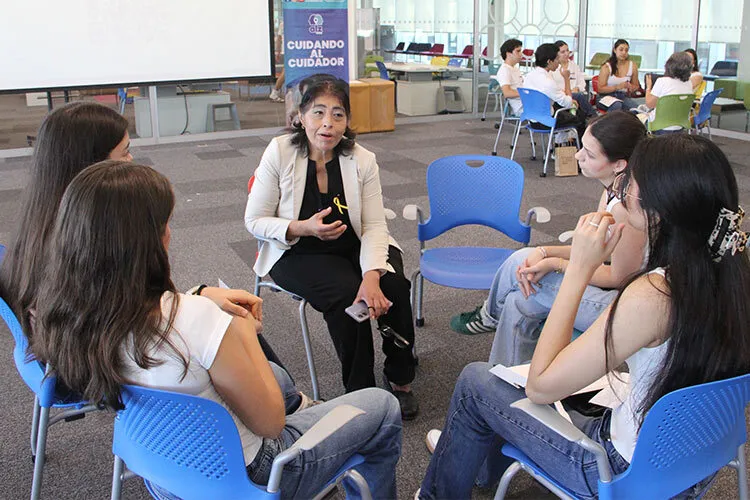
Connecting Science with a Human-Centered Purpose
The experience is part of the Education with Human Purpose units, one of the formats offered through Tec’s Social Service program to connect students’ academic education with community needs. In these course blocks, professors work alongside educational partners, including organizations, companies, and civil society groups, so that students can develop knowledge and skills while seeking solutions to real-world challenges.
Kenia Ruiz, Tec’s Institutional Engagement and Relations Coordinator, emphasizes that working directly with these groups helps students develop empathy and better understand the people who could ultimately benefit from their research. “It’s not just about making sure the product passes all the required quality tests in the laboratory, but also about ensuring that it benefits the end user.”
Throughout the 10-week course block, students work with the Alzheimer Monterrey Association and ARENA Autismo, as well as THE CORE – Business Transformation, the startup developing the supplement they analyze in the laboratory.
Yolanda Carrillo, awareness coordinator at the Alzheimer Monterrey Association, notes that these interactions can also shape how students approach their future scientific work. “When they eventually find themselves working in their own area of research, I’m sure there will come a time when they remember what they experienced with us.”
From the Supplement to Intestinal Cells
The supplement the students are analyzing is ClariSSimo, developed by the startup THE CORE – Business Transformation, using natural ingredients such as plant and mushroom extracts. According to Chávez Santoscoy, the company uses the term “mental clarity” to describe aspects such as maintaining attention and focus, as well as reducing forgetfulness and disorientation.
The product is intended for people with Alzheimer’s or autism, as well as others who experience cognitive difficulties related to concentration and memory.
“Scientifically, what they are seeking to do is improve the activity of neuronal receptors so that neurons can communicate more effectively with one another,” the researcher explains.
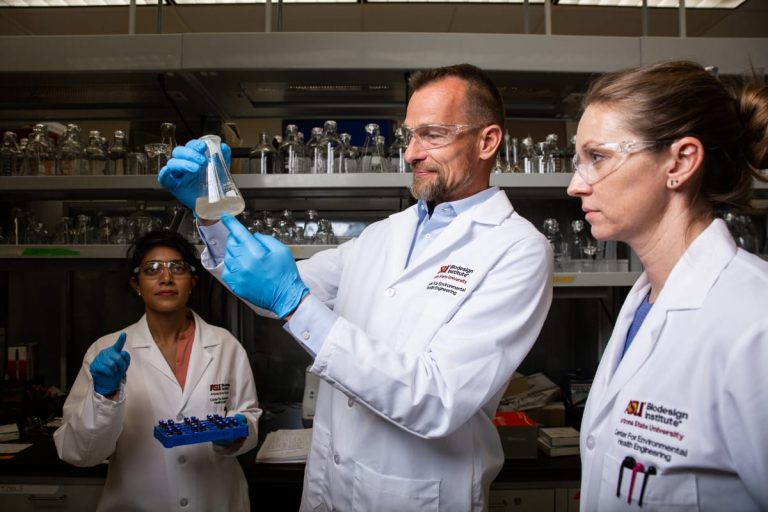
In the laboratory, students assess whether the supplement may have cytotoxic effects, meaning whether it causes cell damage or death. They subject it to in vitro digestion to simulate its passage through the gastrointestinal system, since the supplement is designed to be taken orally. They then test the material produced on intestinal cells.
They also carry out this procedure with mangiferin, a plant-derived compound found in mangoes that has been studied for its neuroprotective effects, Chávez Santoscoy explains. The supplement and mangiferin are evaluated separately to observe their respective effects.
The researcher says that working with a company can lead scientists to focus on whether a product succeeds, but she also considers it important to remain objective and responsible when assessing its results and safety. “If it works, that’s great; and if it doesn’t, we need to say so, too, because at the end of the day, what they do in the laboratory could have an impact on a person in the medium or long term.”
Exploring a New Way to Teach Science
In addition to laboratory work and activities with partner organizations, Chávez Santoscoy is assessing how this experience affects students’ education as part of an educational innovation project.
The researcher administers validated surveys at the beginning and end of the course block to measure students’ motivation and determine whether any changes occur after they take part in the activities. She will also analyze the results with the aim of publishing a scientific paper on educational innovation.
Looking ahead, she hopes to encourage other professors in the course block to adopt similar experiences and explore new ways of building connections with organizations and communities.
Although this is the initiative’s first edition, which involved 22 students from the Monterrey campus, the researcher says she is already seeing greater student engagement with the project. She also notes that interacting with communities can spark new questions and ideas that may ultimately take shape in the laboratory.
“Getting to know the people who could benefit from your research, seeing the realities they face, and connecting with them motivates you to do things well and objectively, because your work can have an impact on the lives of one person or many,” the researcher emphasizes.
Did you find this story interesting? Would you like to publish it? Contact our content editor to learn more at marianaleonm@tec.mx