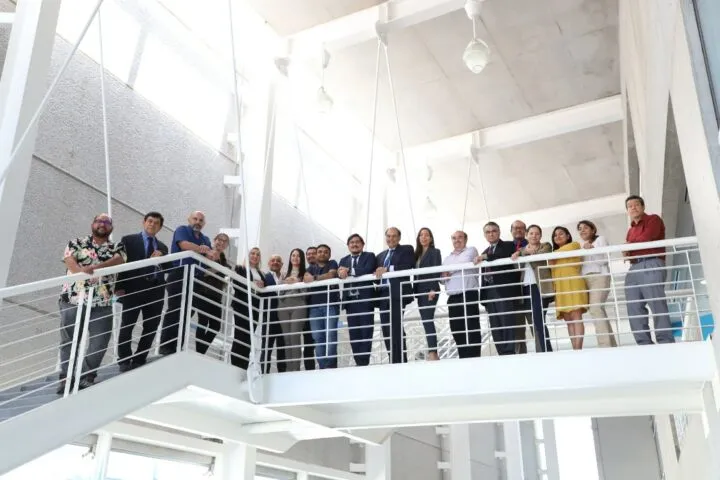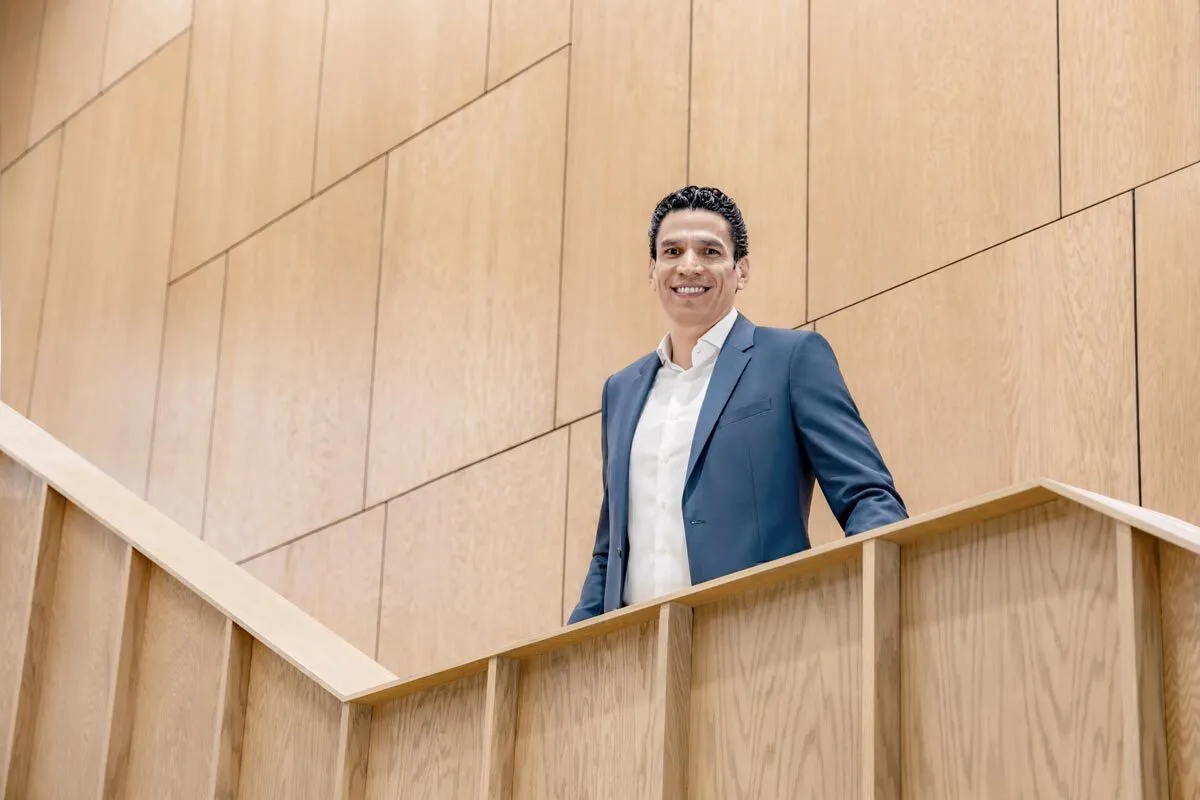


The Institute of Advanced Materials for Sustainable Manufacturing at Tecnológico de Monterrey is entering a new phase, transforming into the AI for Manufacturing and Supply Chain Institute. Its goal is to drive applied research aimed at solving challenges in manufacturing, logistics, and the supply chain across Mexico and Latin America, in close collaboration with industry.
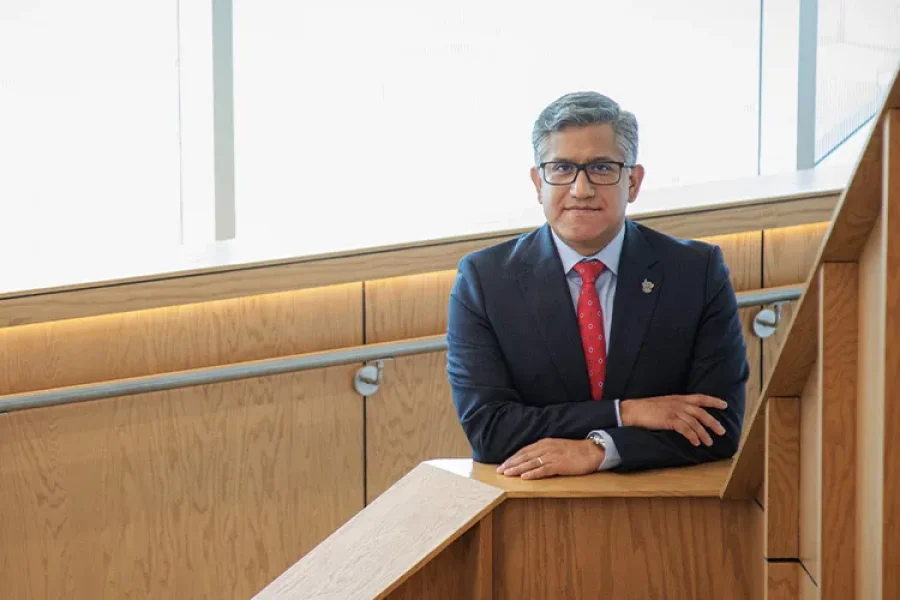
Josué Velázquez, the institute’s director, explains that the transformation is designed to strengthen ties between academia and industry so that research translates into solutions with real impact on the region’s production systems.
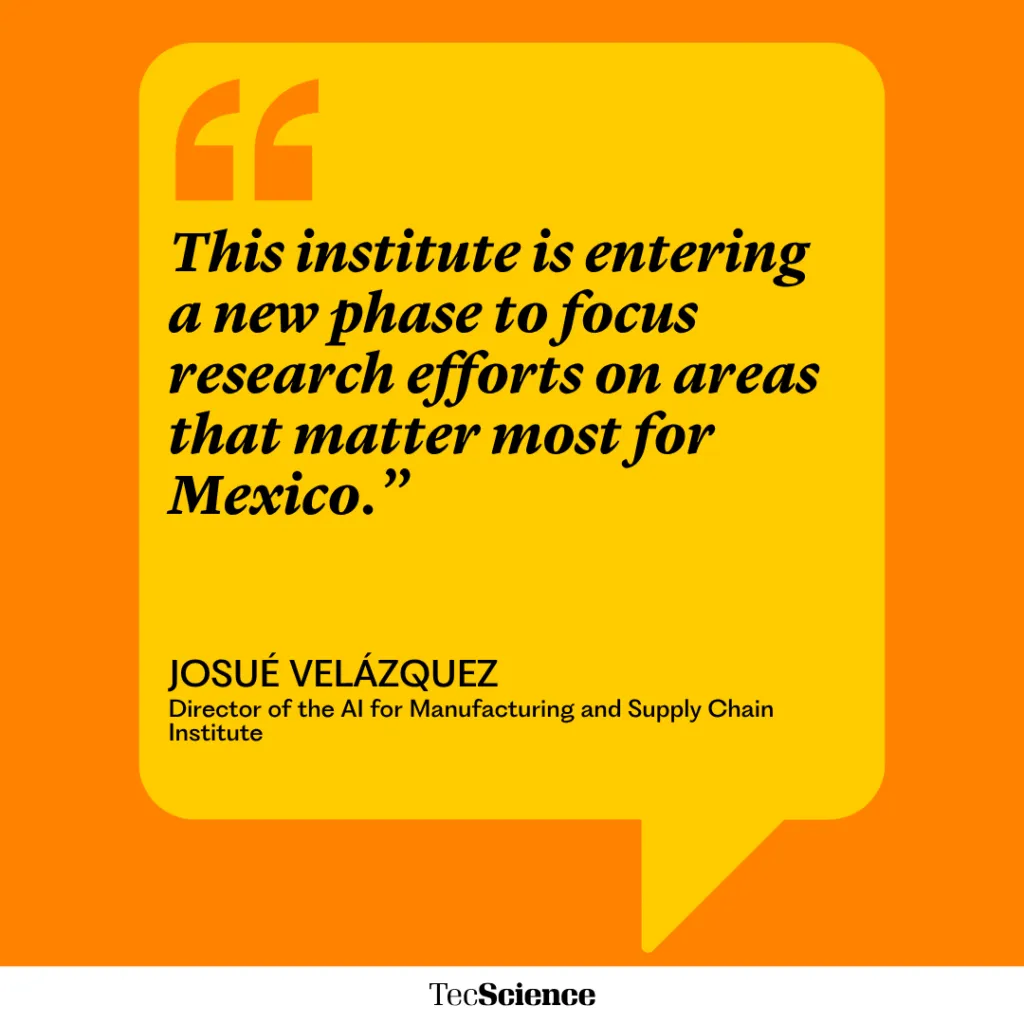
“This institute is entering a new phase to focus research efforts on areas that matter most for Mexico,” Velázquez notes. “We continue our emphasis on manufacturing while adding supply chain and logistics, which are the backbone of the economy. At the same time, we are integrating artificial intelligence (AI) across the board—the most disruptive technology of our time.”
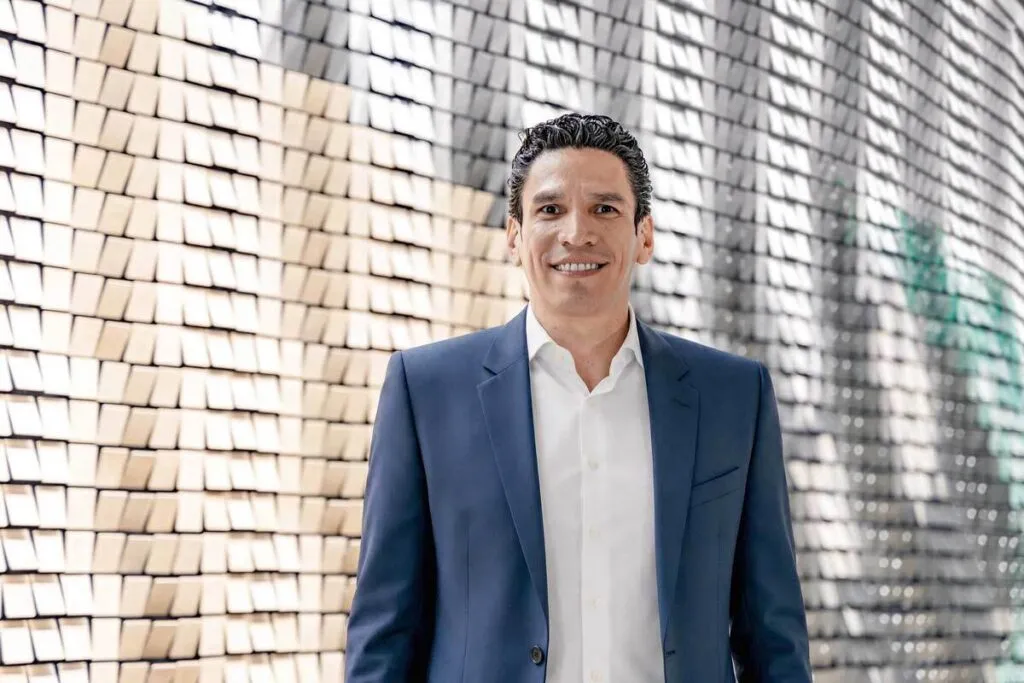
Velázquez, an EXATEC alumnus and former dean of the School of Engineering at the Santa Fe campus, returns to Tecnológico de Monterrey after a 10-year career at the Massachusetts Institute of Technology (MIT). There, he served as a researcher at the Center for Transportation and Logistics, led the Global SCALE Network for Latin America, and spearheaded initiatives such as the Sustainable Supply Chain Lab. He also founded LIFT Lab (Low Income Firms Transformation Lab), which is focused on transforming small businesses.
Four laboratories to drive applied research
The director notes that the institute’s new strategy centers on integrating AI into manufacturing and the supply chain to streamline processes, enhance decision-making, and tackle complex challenges in industrial settings.
With this vision in mind, the institute is reorganizing its ecosystem into four laboratories focused on addressing specific industry needs:
- Smart Manufacturing and Materials for Manufacturing Automation. This lab develops solutions to improve efficiency, quality, and sustainability in industrial production, ranging from smart materials to process automation.
- AI for Industrial Systems. It applies AI in industrial environments through predictive models, digital twins, and the Internet of Things (IoT) to optimize operations and support decision-making.
- Supply Chain and Logistics Systems. This group focuses on analytics and supply chain modeling to build more resilient and efficient systems, from inventory management to transportation and supplier networks.
- LIFT Lab, in collaboration with MIT. It promotes the transformation of micro and small enterprises through practical solutions that strengthen operational, technological, and managerial capabilities.
LIFT Lab and the MIT partnership
“LIFT Lab focuses on supporting micro and small businesses in developing countries, which account for about 95% of all firms in Mexico and Latin America,” Velázquez explains. “I founded it in 2021 at MIT, and now, thanks to a partnership, we’re bringing it to Tecnológico de Monterrey.”
As part of its strategy, the institute positions AI as a cross-cutting axis—even embedded in its name—to transform manufacturing and the supply chain through research and the development of tools and agents that enhance companies’ capabilities while enabling more efficient, better-connected systems.
Velázquez points out that AI development is still in its early stages, and the institute’s goal is to stay at the cutting edge of knowledge to integrate it effectively into industrial environments.
Today, AI applications foster a more sustainable and resilient supply chain, ranging from tools that improve decision-making and optimize inventory to demand forecasting and waste reduction.
“There’s also the whole realm of smart warehouses, distribution centers, and connectivity with other entities; we’re moving toward the long-held vision of a synchronized supply chain that also integrates transportation and manufacturing—one that can truly serve customers at remarkable speeds, at lower costs, while at the same time reducing environmental impacts and generating a positive social impact in the community.”
Outreach Model: a new framework for collaboration with industry
Industry engagement is a cross-cutting priority for the AI for Manufacturing and Supply Chain Institute, Velázquez explains. The goal is to move beyond a traditional collaboration model and build partnerships in which companies play an active role in shaping research agendas and projects.
To that end, the institute is developing a framework called the Outreach Model, with different membership tiers. Through this model, companies can join as strategic partners and take part in working groups where sector priorities are defined and applied research projects are set in motion.
“The priority is to finish building this package that will allow us to connect with industry and start creating working groups in which researchers prioritize the development of research questions and projects tied to real impact on industry and society,” the director says. “This involves stakeholders who are willing to invest their time and resources to answer those questions.”
For Velázquez, the challenge lies in persuading the industry to view Tecnológico de Monterrey and the institute as partners capable of advancing innovation and research initiatives. At the same time, there is a need to strengthen alliances with other universities and academic leaders around the world that conduct high-impact research and foster talent development, both among researchers and students. Another priority is reinforcing collaboration with governments and organizations to bring solutions to society.
Industrial challenges: digitalization, logistics, and sustainability
Velázquez identifies major challenges facing the industry, ranging from limited infrastructure and training needed to accelerate digital transformation to persistent logistics issues in transportation and distribution.
He also highlights sustainability challenges, such as measuring emissions across the supply chain, reducing waste, and transitioning to clean energy. Added to this are factors like urbanization, safety, pollution, and last-mile operations, all of which require advanced solutions to optimize routes, cut costs, and improve delivery times.
In this context, Velázquez explains that the institute aims to identify key intervention points that can deliver short-term results—in other words, the first steps or “levers” needed to achieve faster impact, in line with the pace at which industry moves.
“I’d love to see the institute become a catalyst for these solutions,” the director says, sharing his vision for the future. “I’m convinced that in five years, the institute will be unrecognizable because of the scale of impact we will have generated through these partnerships.”
With this transformation, Tecnológico de Monterrey aims to consolidate an applied research ecosystem that connects artificial intelligence, manufacturing, and logistics to address critical industrial challenges in Mexico and Latin America.
Did you find this story interesting? Would you like to publish it? Contact our content editor to learn more: marianaleonm@tec.mx