

Knowing whether a material can withstand certain temperatures or degrades under mechanical stress is key to developing an industrial product. To address these kinds of challenges, the AI for Manufacturing and Supply Chain Institute (AIMS) at Tecnológico de Monterrey is launching a laboratory in collaboration with PerkinElmer, a global company specializing in analytical technologies.
It is the SMART-PerkinElmer (Sustainable Manufacturing and Advanced Research Technologies Laboratory), which focuses on studying the properties and behavior of materials for research applications and industrial use.
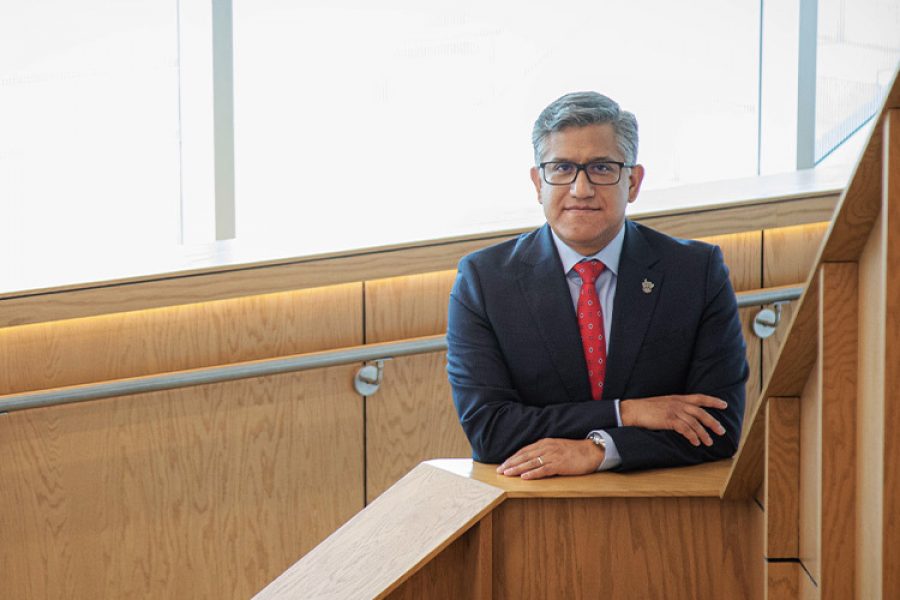
“This laboratory supports the experimental side of all AIMS projects. It is a space dedicated to applied research and collaboration with industry,” says Cecilia Treviño, a researcher at the institute who is leading the development of the facility.

The goal is to connect scientific and technological capabilities with the real-world needs of manufacturing and materials, and as part of the institute’s restructuring, supply chain considerations are also be incorporated.
This collaboration with PerkinElmer includes a sponsorship of one million dollars in highly specialized scientific equipment aimed at solving challenges ranging from basic science to industrial implementation, explains the professor from the School of Engineering and Sciences (EIC). She adds, “By having access to this cutting-edge technology, our response times for industry will be much faster.”
“We do not want to remain only at the experimental stage or have science stay confined to the laboratory; we want to integrate advanced technologies, develop them through materials analysis and chemical, thermal, and structural characterization, and in this way validate these solutions according to global standards using high-end characterization techniques.”
The Three Research Areas of the Laboratory
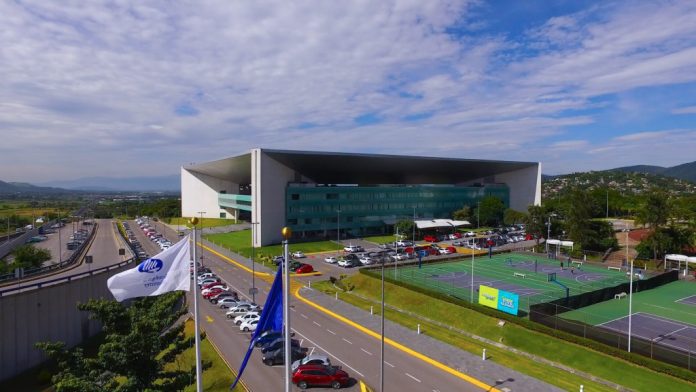
The laboratory, is located at the Bioengineering Center on the Querétaro campus and integrated into the AIMS research platform, and is divided into three areas with distinct capabilities.
Characterization
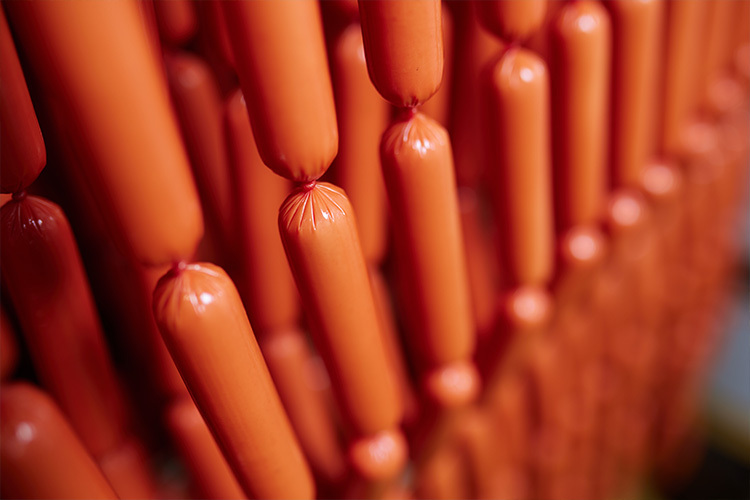
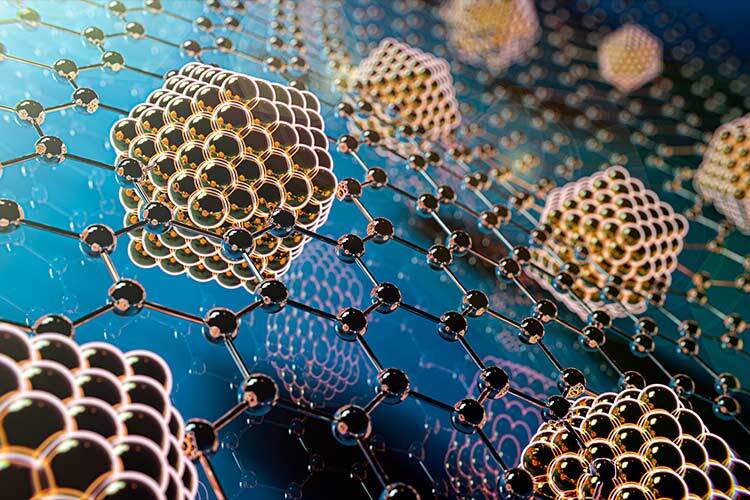
This area focuses on the thermal and structural characterization of different types of materials, including metals, ceramics, composites, and even food products. Through these processes, researchers can determine, for example, the types of molecules that make up a material and how they are structured.
These capabilities make it possible to understand how a material behaves and how different conditions affect its degradation.
Organic Analysis
The second area is centered on processes and technologies for the organic analysis of materials, including techniques such as liquid chromatography and gas chromatography to identify the chemical composition of different samples.
Studying the components and compounds present in materials and food products can be valuable for research related to quality control and certification compliance.
Inorganic Analysis
In this area, Treviño highlights that the laboratory features two cutting-edge technologies that enable more precise identification, quantification, and purity measurement of inorganic components, such as metals and minerals. These technologies are inductively coupled plasma (ICP) and atomic absorption.
“Not all laboratories have access to these technologies, and we are going to have fully equipped systems, complete with libraries and accessories to perform all kinds of analyses,” she explains. “Through the agreement and sponsorship with PerkinElmer, out of the 10 instruments, we will have the best and most complete versions of each because they are the manufacturers.”
These technologies can be used for trace metal analysis in water, verifying whether food products meet FDA certification requirements, or understanding the purity and behavior of materials in industrial processes, as well as in recycling and manufacturing research.
Addressing Industry Needs and Attracting Specialized Talent
According to the researcher, this infrastructure, which is being added to the AIMS research platform alongside other facilities such as the Smart Manufacturing and Materials Lab, will also strengthen research efforts and attract talented students and faculty members.
Having the facility available means no longer relying on external services and laboratories.
One of the research projects moving into this new space is the work led by Treviño on the degradation of rubber and elastomers.
The laboratory aims to address industry needs, first within the region and later across the country, serving sectors such as agribusiness, recycling, automotive, aerospace, and food industries, as well as the chemical industry and areas related to wastewater treatment, where processes requiring this type of analysis are common.
Querétaro, a Hub for Innovation and Research
The facility will also become part of the distritoQRO ecosystem, an innovation district promoted through a partnership among Tecnológico de Monterrey, the National Autonomous University of Mexico (UNAM), the Autonomous University of Querétaro (UAQ), and the National Technological Institute of Mexico (TecNM).
“Querétaro was strategically chosen because it is the geographic center of the country, which allows us to serve all regions. Querétaro is a hub for innovation and research, and that is another factor that sets us apart,” says Treviño.
“In addition to all the infrastructure, we have Tec’s human capital, including AIMS and the School of Engineering and Sciences. We have the scientific capabilities to carry out complete projects, not just provide services. With this laboratory, we can deliver comprehensive solutions to specific challenges, ranging from experimental work to industrial implementation.”
For Emilia Campos, Mexico Direct Sales Manager at PerkinElmer, the partnership with Tecnológico de Monterrey was a natural fit. “The institution’s commitment to research and scientific development as tools to address the challenges of the future allowed us to find the perfect synergy to make this collaboration possible.”
Cecilia Treviño hopes that, in the future, the SMART-PerkinElmer laboratory will become a benchmark center for solving industrial challenges, one that companies and decision-makers can turn to when facing complex issues.
“I’m excited that, as Tecnológico de Monterrey, we have achieved this partnership with such an important company. It is something unique because there will not be another laboratory like this in the region. It truly marks a turning point in how industry and universities can form partnerships to develop spaces like this,” says Treviño.
Were you interested in this story? Do you want to publish it? Contact our content editor to learn more marianaleonm@tec.mx.