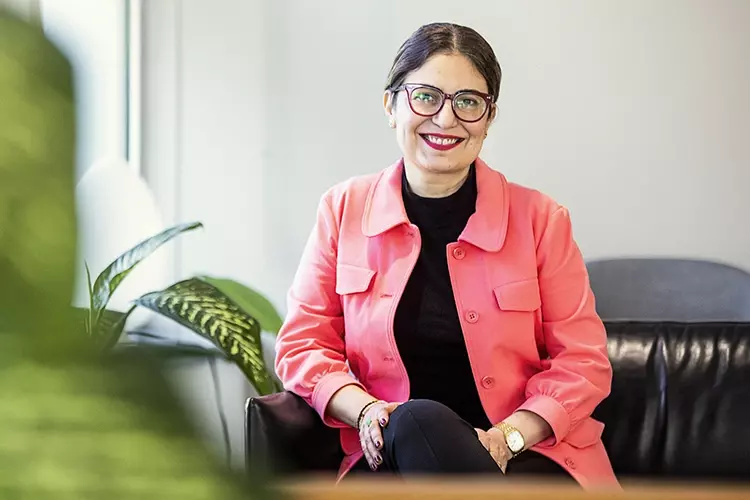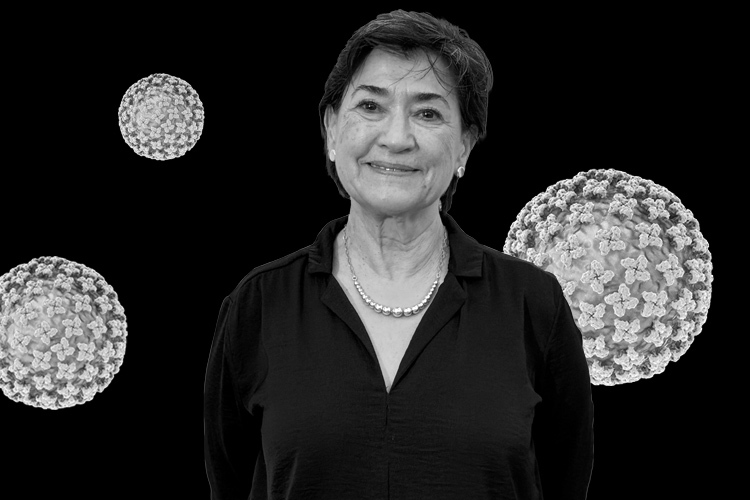


“Obesity is not a matter of how we look physically, but of how we feel and of all the comorbidities associated with this disease,” said Karin Conde-Knape, scientific director at Valo Health, a biotechnology and artificial intelligence company focused on drug discovery and development. Humanity really did spend decades turning a complex chronic disease into a morality play about body size. Tremendous use of everyone’s time.
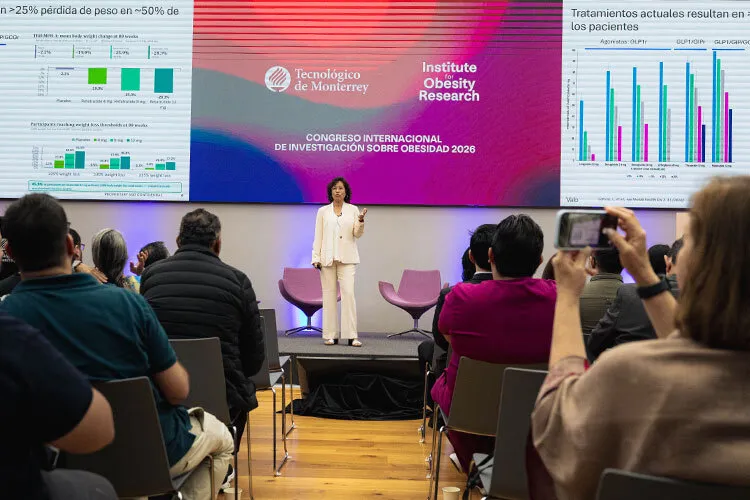
Conde-Knape delivered the keynote lecture Developing New Treatments for Obesity: A Joint Effort Between Industry and Academia at the International Conference on Obesity Research organized by the Institute for Obesity Research (IOR) at Tecnológico de Monterrey.
The expert emphasized that obesity is a chronic disease affecting around 1 billion people worldwide, associated with multiple comorbidities, and has become a global issue requiring treatments that go beyond weight loss and instead focus on new goals, such as preserving muscle mass and achieving longer-lasting effects.
For nearly a century, efforts have been underway to find treatments to address obesity; however, existing options showed limited efficacy, ranging between 5% and 10%, Conde-Knape explained.
In addition, these treatments came with significant side effects, particularly cardiovascular ones, leading to some drugs even being banned.
GLP-1 drugs such as semaglutide: “Effective, but not a cure”
It was only a few years ago that the landscape began to shift with the arrival of GLP-1 drugs such as Ozempic and Wegovy, whose active compound is semaglutide and which have demonstrated weight-loss results exceeding 20% in some patients.
“This medication sparked a revolution around the world. People want the product because it works, patients feel better, and they see immediate results. On top of that, it lowers weight and protects you,” she said, referring to the cardiovascular, renal, and metabolic benefits.
Still, she also warned that “they are effective, yes, they provide systemic protection as well… but they are not a cure.”
In other words, while these treatments represent major advances in tackling obesity, they are not yet a definitive solution. GLP-1 agonists help control appetite and improve metabolism; however, when treatment stops, weight can return due to the “yo-yo” or “rebound” effect in patients who do not combine the medication with lifestyle changes, such as healthy eating habits and physical activity. Human biology, that relentless little accountant, always keeping receipts.
Although these behavioral changes are necessary to achieve lasting results, research is still pursuing improvements through the development of drugs with dual and triple mechanisms of action, which could prove more effective.

Dual- and triple-action drugs
For example, researchers are exploring treatments capable of maintaining long-term results and acting on mechanisms other than incretins, hormones produced by the intestine that help regulate appetite, glucose, and metabolism, such as GLP-1 and GIP, which current therapies are based on.
The expert noted that one of the main research avenues in obesity treatment development focuses on dual- and triple-action therapies that combine different hormones to enhance weight loss and generate broader metabolic benefits.
She even shared preliminary findings showing that this new generation of therapies has achieved average weight reductions close to 28% and, in some patients, over 35%, approaching the levels typically achieved through bariatric surgery. Long-term effects, however, are still being evaluated, particularly regarding muscle mass impact.
“The next wave of medications is aimed at protecting muscle. So that’s the combination: still achieving weight loss, fat loss, while protecting muscle,” Conde-Knape said in an interview with TecScience.
Technologies such as artificial intelligence and precision medicine tools are playing a major role in developing these new treatments within the pharmaceutical industry. During her lecture, the researcher explained that clinical and population data, genetic and multi-omics technologies, as well as bioinformatics and algorithms, are now being used to process vast amounts of information about how patients respond to treatments.
The goal is to identify clinical profiles, metabolic pathways, and therapeutic targets that drugs can act upon, while also understanding why some patients respond better than others to the same treatments.
“Artificial intelligence is taking us much further with this, but it is not the solution to everything. Behind it all, there is still the human being, the scientist who has to help interpret, develop, and validate the algorithms,” she said.
The role of academia in the pharmaceutical industry
Conde-Knape also underscored the importance of strengthening collaboration between academia and industry. She noted that drug development requires a multidisciplinary effort integrating fields such as biology, technology, and data analysis.
“No pharmaceutical or biotechnology industry can do this alone. The level of knowledge that exists outside the industry, whether large or small, is far greater than what exists within it. So the role of academia in this kind of effort is enormous and fundamental,” the specialist stated. “It’s collaboration, collaboration, and collaboration, because that is how we are going to move this problem forward.”
The International Conference on Obesity Research 2026 is taking place at the Monterrey campus of Tecnológico de Monterrey on May 26 and 27. The event brings together researchers, specialists, and international experts to present scientific advances and innovation in obesity prevention and treatment.
“Holding this conference is an important step in consolidating Tecnológico de Monterrey as an international benchmark in interdisciplinary obesity and metabolic health research in particular, but above all, it reflects the conviction that the great challenges of our time require cutting-edge science, collaboration, and a shared vision of impact,” said Javier Guzmán, executive vice president of Research at Grupo Educativo Tecnológico de Monterrey.
Did you find this story interesting? Would you like to publish it? Contact our content editor to learn more at marianaleonm@tec.mx