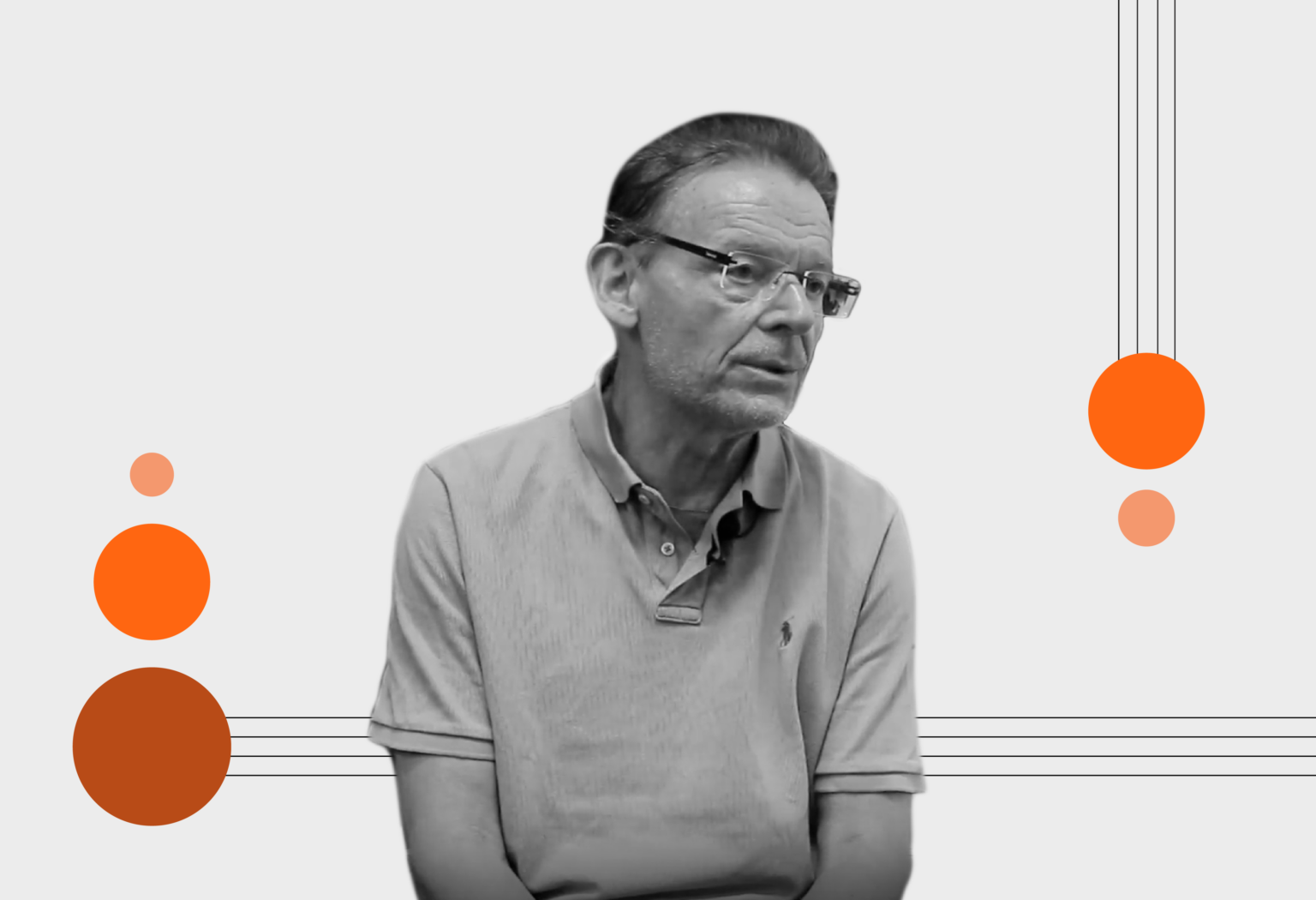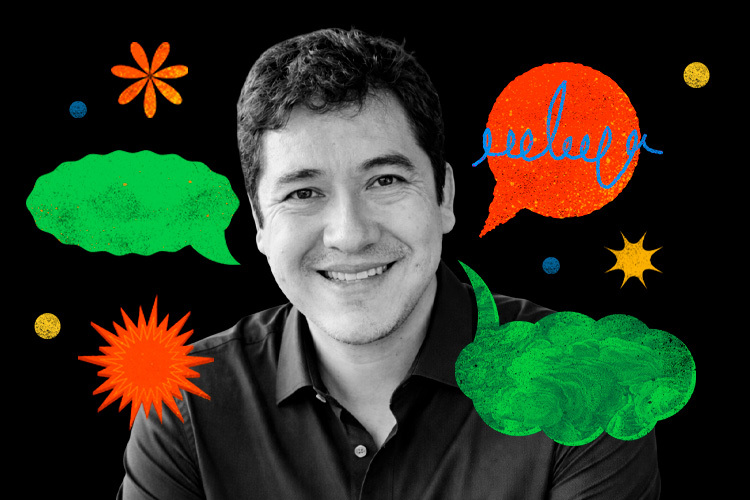


Sustained changes in diet and lifestyle can reduce cardiovascular risk by as much as 30% in people with high metabolic risk, according to evidence presented by researcher Miguel Ruiz Canela, director of the Department of Preventive Medicine and deputy director of the Institute of Nutrition and Health at the University of Navarra, during Tecnológico de Monterrey’s 2026 International Conference on Obesity Research.
“What is clear is that if there is one factor that influences prevention and can help us stop this obesity pandemic, it is diet,” he said during his presentation, The Role of Nutrition and Lifestyle in the Prevention of Cardiometabolic Disease.

On the Mediterranean Diet and Its Benefits
“The Mediterranean diet is one of the dietary patterns backed by the strongest scientific evidence in the world. It has been shown to reduce the risk of cardiovascular disease and lower the incidence of diabetes,” he explained. “It is not a vegetarian diet, but it does emphasize a high intake of vegetables.”
Diabetes and cardiovascular diseases are among the leading causes of illness and death worldwide. Reports from the World Health Organization (WHO) indicate that around 20 million deaths are recorded each year due to these conditions, which are associated with risk factors such as obesity, unhealthy diets, physical inactivity, and the use of tobacco and alcohol.
Ruiz Canela has studied this Mediterranean dietary pattern, which prioritizes plant-based foods and healthy fats while reducing the consumption of red meat and ultra-processed products.
One of the major challenges surrounding this concept is that its name includes the word “diet,” which many people tend to associate with food restrictions. For that reason, a healthy eating pattern of this kind must also be enjoyable and sustainable over the long term; otherwise, people may eventually abandon it.
Primary and Secondary Prevention Require Changes in Habits
Ruiz Canela shared findings from studies on the Mediterranean diet and cardiometabolic health in which he has collaborated in Spain, including PREDIMED (Prevention with the Mediterranean Diet) and PREDIMED Plus, as well as the PREDIMAR trial (Prevention of Recurrent Arrhythmias with the Mediterranean Diet in Patients with Atrial Fibrillation), for which he serves as principal investigator.
Over several years, these studies followed thousands of people at high cardiovascular risk to evaluate how changes in diet, physical activity, and other lifestyle habits could help prevent commonly associated diseases.
In many of these studies, the goal was not weight loss but rather improving diet quality and maintaining healthy habits over the long term, a key distinction from approaches focused solely on body weight.
In this regard, Ruiz Canela noted that some studies focus on primary prevention—that is, interventions implemented before a cardiovascular event occurs—examining people with obesity, diabetes, hypertension, or metabolic syndrome. Others focus on secondary prevention, aiming to intervene after a cardiovascular event has already taken place in order to prevent further complications.
According to the expert, these studies are important because they demonstrate that long-term changes in habits and lifestyle are achievable; they provide scientifically robust evidence linking those changes to reduced cardiovascular risk; and they make it possible to assess the effectiveness of interventions in real-world settings, where patients decide how best to incorporate those habits into their daily lives.

Is It Feasible to Implement the Mediterranean Diet in Mexico and Conduct Similar Studies?
In an interview with TecScience, Ruiz Canela noted that the goal is not to fully replicate the Mediterranean diet but rather to adapt its principles to the ingredients, traditions, and cultural dynamics of each region.
He emphasized that the objective is not to reproduce the Mediterranean diet exactly as it is practiced in Mediterranean countries, but to apply its core principles in Mexico by prioritizing plant-based foods and reducing the consumption of ultra-processed foods and processed meats.
Regarding the possibility of conducting similar research, he explained that projects of this kind require funding strategies that allow them to operate over many years, as well as collaboration among public and private institutions, research centers, and scientific teams.
The researcher added that tools such as artificial intelligence and metabolomics could help develop personalized nutrition strategies and shed light on why certain dietary patterns work better for some individuals than for others.
Toward the end of his presentation, Ruiz Canela noted that while many people today live in “obesogenic” environments—where economic and social factors make it more difficult to maintain healthy habits—these challenges can be addressed through a comprehensive lifestyle approach. In addition to a healthy diet and regular physical activity, such an approach would take into account other factors that influence health, including sleep, stress management, social relationships, and addictions.
Although many people currently live in environments that make healthy habits difficult to sustain, Ruiz Canela emphasized that even small, consistent improvements in diet, physical activity, sleep, and stress management can translate into measurable benefits for cardiovascular health.
Were you interested in this story? Do you want to publish it? Contact our content editor to learn more marianaleonm@tec.mx