

Many of us enjoy a beer on a hot day or a glass of wine after work, thinking that if we consume it in moderation, it won’t harm us. However, recent scientific studies suggest that we have underestimated the impact of alcohol on human health.
“It is a substance that affects us, not only biologically, but also socially,” says Fabiola Castorena, a research professor at the School of Medicine and Health Sciences of Tec de Monterrey.
One of the most comprehensive studies on the subject analyzed data from 204 countries on people aged 15 and over, from the period of 1990 to 2020, to estimate the level of consumption minimizes health risks.
To do this, the researchers integrated thousands of databases and created models of their impact on 22 different health outcomes, such as cancer, cardiovascular disease, accidents, and injuries. They then analyzed this data using a measure that reflects how many years of life are lost due to illness or disability.
What they found is that, in people under forty, the theoretically safe amount of alcohol is zero or close to zero, and around 1.8 drinks per day in older people.
This is because there is a higher prevalence of alcohol-related injuries and accidents in the younger population, while this risk decreases in people over forty.
In older adults there are some cardiovascular benefits, but they depend on the absence of other associated diseases and are achieved with very small amounts of alcohol.
In other words, the amount that does not leave health consequences is not fixed —it changes with age and the epidemiological context of people— but in no case is it greater than two drinks a day.
Biological Mechanisms of the Damage Caused by Alcohol
The damage caused by alcohol is due to how our body processes it. When we drink any type of alcoholic beverage, ethanol is converted into acetaldehyde, a toxic and highly reactive compound.
The compound can interact directly with our DNA and cells, generating errors and hindering their repair. Over time, this accumulation of damage increases the likelihood of mutations, which is a key step in the development of cancer.
Furthermore, this process generates oxidative stress and constant inflammation. Thus, alcohol not only irritates the liver, but produces a systemic impact that affects our entire body.
For this reason, alcohol is classified as a group 1 human carcinogen, along with tobacco and asbestos. This conclusion has been reinforced in recent years by integrating epidemiological data, molecular biology, and studies in animal and human models.
This means that alcohol is not only associated with different types of cancer, but is a direct cause of at least seven types: mouth, throat, larynx, esophagus, liver, colon, and breast cancer.
“We don’t fully grasp the true effect alcohol has on our health,” says Castorena.
The Impact of Alcohol on the Gut Microbiome
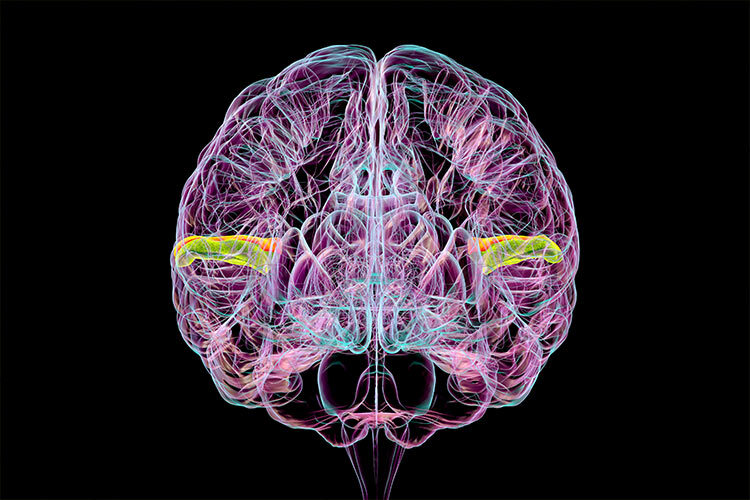
Beyond the damage acetaldehyde causes to our cells and DNA, alcohol also has an impact on our gut microbiome.
A recent investigation analyzed data from thousands of fecal samples along with alcohol consumption data and health follow-ups over time from the Finnish cohort FINRISK 2002.
What they found is that these drinks cause dangerous changes in the microorganisms that live in our gut.
“The gut microbiome is an ecosystem and the bacteria have specific requirements to thrive,” says Kari Koponen, a researcher at the University of Eastern Finland and lead author of the study.
The results show that those who frequently consume alcohol tend to have a less diverse microbiome, with fewer bacteria associated with beneficial functions and more bacteria related to inflammatory processes.
In addition, compounds are produced in the gut that activate the immune system and promote chronic inflammation.
By following people over time, the study shows that an altered microbiome is linked to a higher risk of illness and death. “The greatest associations were seen in high-risk users, but that doesn’t mean there are no effects in low- or moderate-risk users,” Koponen explains.
In this study, low-risk consumers are those who consume zero to seven standard drinks per week, medium-risk consumers from seven to twenty, and high-risk consumers more than twenty.
However, according to the researcher, even a single session of binge drinking can have a negative effect on our microbiome.
“The more chronic and the greater the amount of alcohol exposure has been, the more damage it has already done” Koponen warns. “Repair can take months for very serious cases.”
Pregnancy and Alcohol: No Safe Dose
In addition to the harm that alcohol can cause us as individuals, the consumption of this substance during pregnancy has negative effects on the mother and the baby.
In various studies, a group that includes Castorena has found that it can affect the placenta, cross it and directly reach the fetus, whose body is not prepared to process it.
“This generates a systemic impact, mainly on the brain, causing irreversible damage,” the researcher points out.
Recent studies have shown that alcohol alters DNA and the placenta itself, affecting how oxygen and nutrients are transported to the baby.
The consequences range from premature births to developmental disorders known as fetal alcohol spectrum, a group of permanent physical, behavioral, and neurological conditions caused by prenatal exposure to alcohol.
When it comes to the health of pregnant mothers, fetuses, and babies, the researcher is clear that there are no nuances: “The dose makes the poison; the higher the dose and the longer the exposure time, the greater the effects, but even so, there is no safe dose,” she says.
Less is Better
With these and other studies, current scientific research suggests that, as a society, we need to reconsider our relationship with alcohol.
“We have the misconception that low or moderate alcohol use is not detrimental to health,” says Koponen. “It is a carcinogen; it has adverse effects from the first drink.”
Although prohibition and asking the population not to consume it at all is not a viable solution, the evidence is clear: the less alcohol we consume, the better it will be for our health.
The study published by The Lancet recommends that countries design stronger interventions and public policies, especially aimed at young people due to the risks of addiction and to reduce the global loss of health due to its consumption.
Globally, drinking this substance causes 2.6 million deaths per year, 13% of which occur in people between the ages of 20 and 39.
Scientific literature agrees that it is more than an individual health problem, and is also a risk factor that impacts many other things such as safety —due to the increase in violence—, social relationships, cognitive performance and the economy.
“In Mexico, alcohol consumption is a problem,” Castorena concludes. “Recognizing this as a society will allow us to make informed decisions and improve healthcare.”
Did you find this story interesting? Would you like to publish it? Contact our content editor to learn more: marianaleonm@tec.mx