

Developing new medicines in Mexico requires much more than a good scientific idea. It requires bringing together specialists from different disciplines, having high-tech infrastructure, establishing links with industry, and the ability to translate laboratory discoveries into solutions that reach patients.
That is the objective of the new agreement between Tecnológico de Monterrey and the National Autonomous University of Mexico (UNAM), which seeks to strengthen biomedical research and accelerate the development of health innovations.
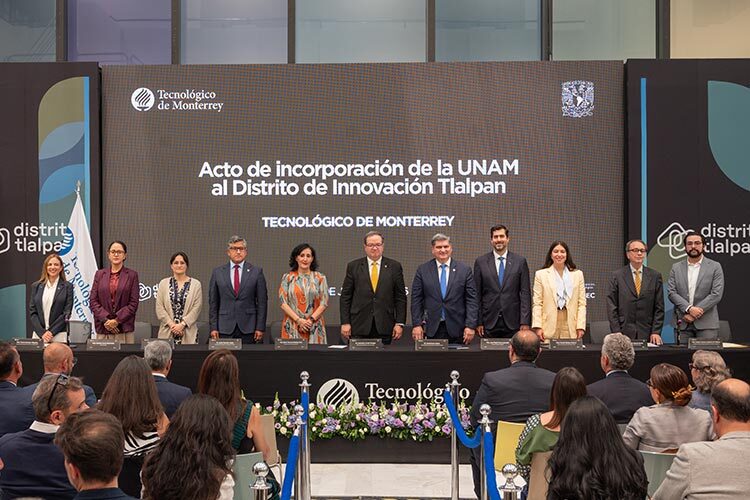
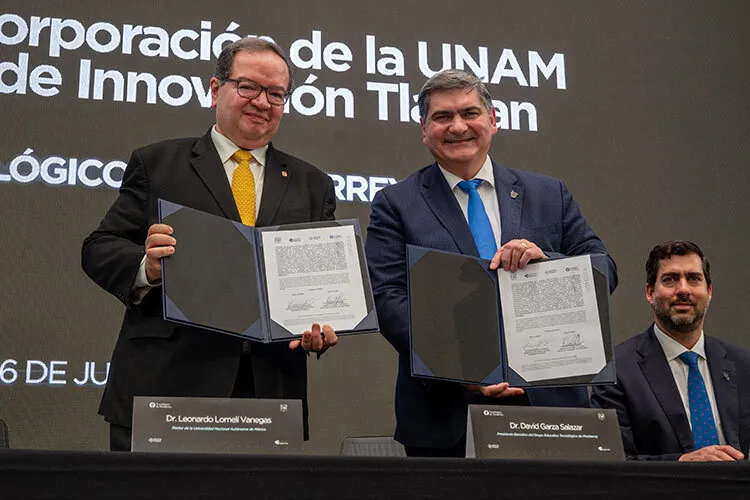
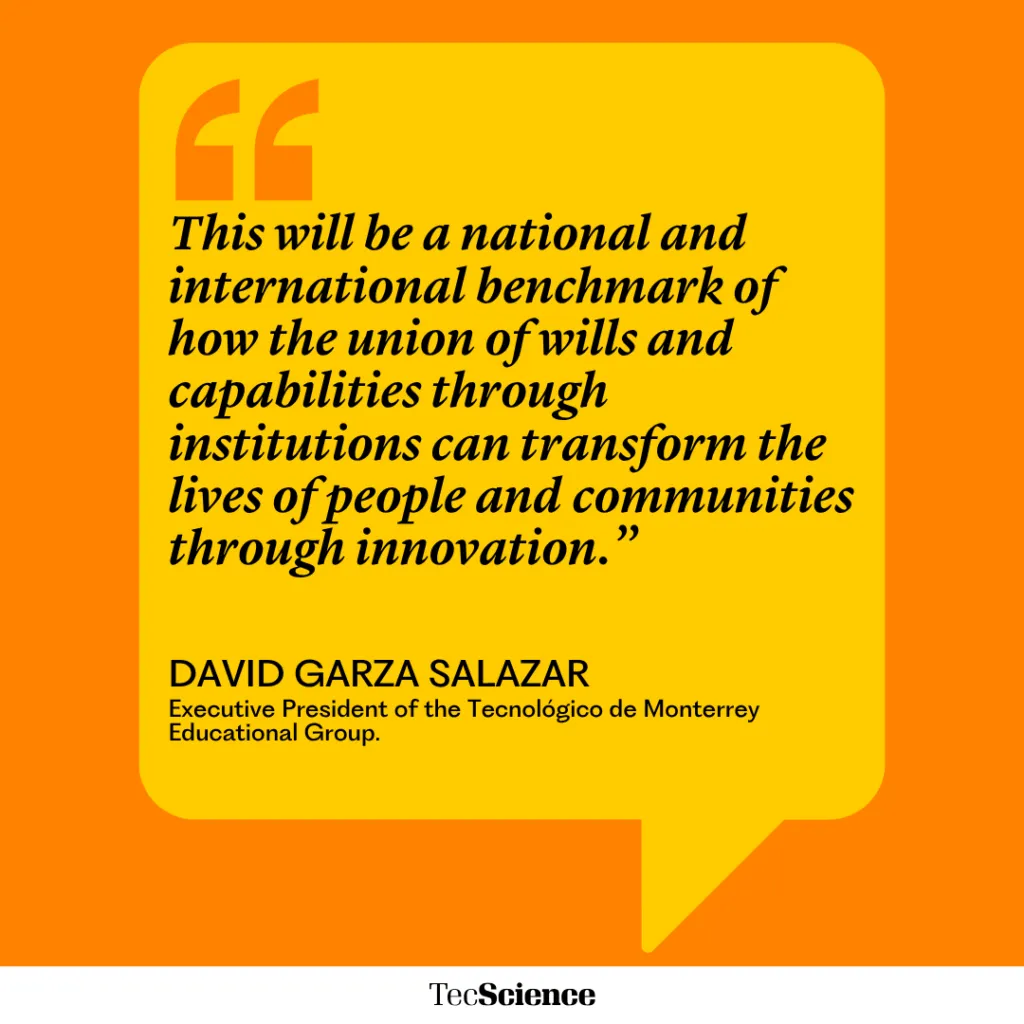
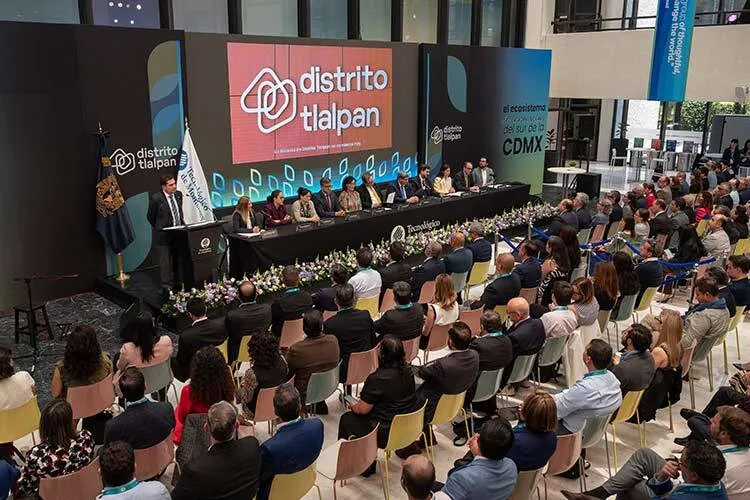
“This will be a national and international benchmark of how the union of wills and capabilities through institutions can transform the lives of people and communities through innovation,” said David Garza Salazar, Executive President of the Tecnológico de Monterrey Educational Group, during the ceremony to formalize UNAM’s incorporation into the Tlalpan Innovation District through the signing of the agreement.
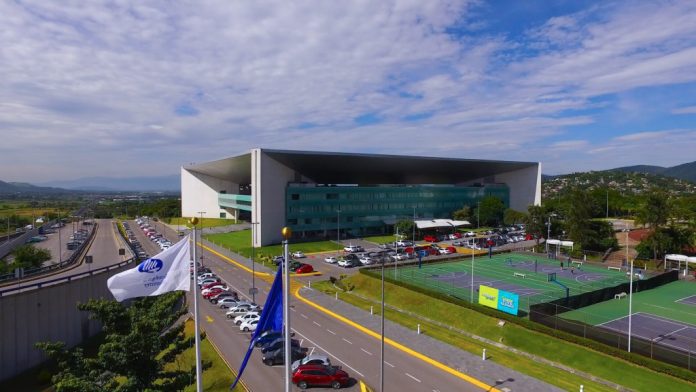
The collaboration will be linked to the future Interdisciplinary Center for Predictive Medicine, which is being built in the Tlalpan District, on the Mexico City campus of Tec.
More than a building, the space will be an ecosystem of collaboration and community, where researchers from both institutions will work together to develop medical technologies with the potential to become treatments, devices, or science and technology-based companies.
“Cooperation between higher education institutions is most valuable to a society when it translates into programs with measurable results and shared commitments,” said Leonardo Lomelí, rector of UNAM.
From Science to Industry
One of the main objectives of the agreement will be to develop Mexico’s own biopharmaceutical industry. Currently, a large part of the medical technologies used in the country are exported from abroad.
The alliance seeks to promote alternatives developed by Mexican scientists, from the early stages of research to the creation of prototypes of molecules, drugs and treatments with the possibility of reaching the pharmaceutical sector.
“We no longer want to focus only on generating knowledge; we want that knowledge to be transformed into real solutions for the population,” explained Gerardo Leyva, a research professor at the Faculty of Chemistry, UNAM.
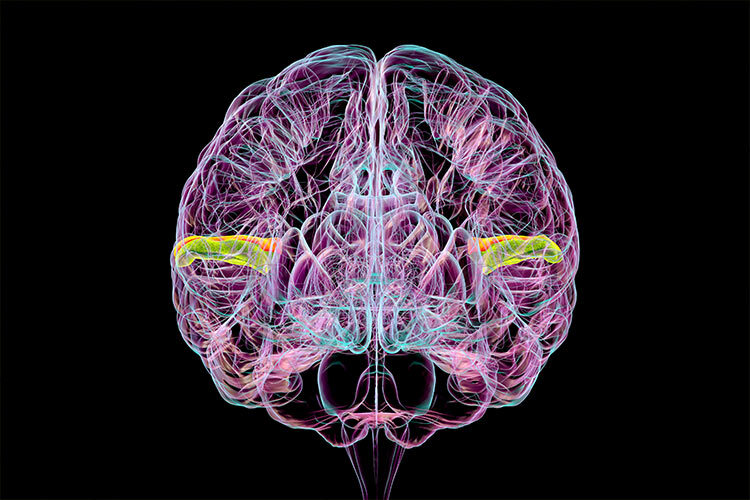
The first lines of work to be developed will focus on areas that are crucial to public health, such as neurodegenerative diseases, aging, precision oncology, and regenerative medicine.
Among the existing projects between both institutions are research on new treatments for diseases such as Parkinson’s, Alzheimer’s and spinocerebellar ataxia type 7 (characterized by the progressive loss of motor coordination), as well as the development of innovative formulations for wound healing and infections.
Jonathan Magaña, national leader of the Research Group on Aging and Longevity at the School of Engineering and Sciences of Tec de Monterrey, pointed out that the agreement represents a change in the traditional way of doing science.
“We are not starting from scratch. There is already a scientific collaboration with concrete results; now we want to take the next step and turn that research into applied science.”
To achieve this, both institutions will leverage their complementary strengths. Tec will contribute with infrastructure, bioengineering capabilities, partnerships with companies, and an environment designed to facilitate innovation.
UNAM will contribute with decades of experience in pharmaceutical development, medicinal chemistry, and industry collaboration. The intention is to advance together from basic research to technological scaling stages.
Collaboration as the Engine of Innovation
For the researchers involved in the alliance, the signing of the agreement represents a paradigm shift, where public and private education will no longer be seen as opposites and incompatible, but rather as complementary and collaborative entities.
“This agreement arose from a friendship,” Leyva noted. “When we start from a foundation of trust and empathy like that, everything that follows will have a positive impact.”
In addition to the vast scientific work, the agreement includes the training of undergraduate and graduate students, who will be able to join interdisciplinary projects and get closer to innovation and technology transfer processes from the early stages of their career.
The alliance also sends a message about the future of science in Mexico. “We could probably do it alone, but it would take us much longer,” Magaña reflected.
The hope is that this collaboration will allow more discoveries made in Mexican laboratories to not only be published in scientific articles, but to become medicines, biopharmaceuticals and other innovations capable of improving people’s lives.
Looking ahead, they also seek economic benefits and new public policies that will benefit the country, as well as direct collaboration with the government, businesses, and research centers.
“Together we can achieve more,” Leyva said. “If we combine our capabilities, we can develop technologies that benefit the population and strengthen the country’s scientific and technological capacity.”
Did you find this story interesting? Would you like to publish it? Contact our content editor to learn more: marianaleonm@tec.mx