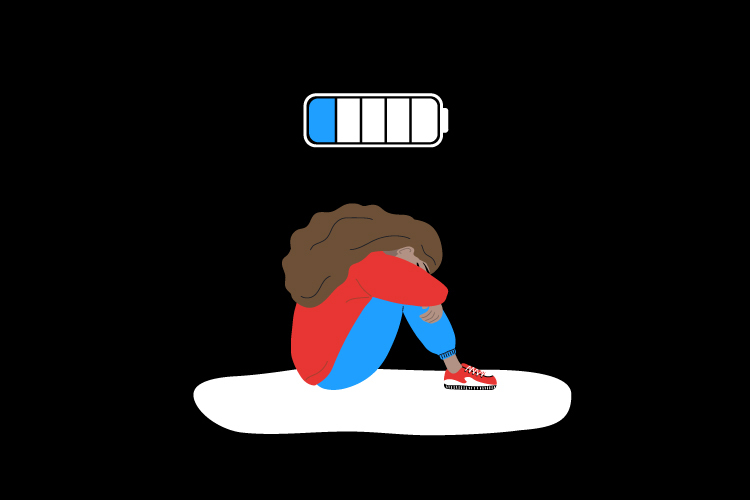


An analysis published in The Lancet estimates that approximately 20% of depression cases and 15% of obesity cases among people under 25 could be associated with spending more than two hours a day in front of screens.
“These estimates likely underestimate long-term consequences across the life course, particularly for obesity, which contributes to disease later in adulthood,” adds the study, published in October 2026.
The researchers combined findings from previous studies on digital media use with data from 49 countries. They described the governance of digital technologies as “one of the defining public health challenges of the 21st century.”
Reported associations included poorer mental health and well-being, negative emotions and conduct problems, loneliness, and poorer quality of life, as well as sleep problems, reduced physical activity, obesity, self-harm, and suicidal ideation.
“The question is: What does the screen represent? Does it help me calm anxiety or anger, or am I constantly using it to soothe emotions that are considered negative?” asks Arturo Sirgo, national director of the Clinical and Health Psychology program at Tecnológico de Monterrey’s School of Medicine and Health Sciences.
Risks varied according to developmental stage, content, context and patterns of use, individual circumstances, and platform design.
Adverse Outcomes in Mental and Physical Health and Social Development
The researchers note that children and adolescents are growing up in a “hybrid world” in which digital media have become part of the infrastructure of everyday life and a structural determinant of their health.
Across 121 reviews covering nearly nine million children, adolescents, and young adults, 71% of findings concerning children ages 0–10 and 80% of those concerning adolescents ages 10–24 were adverse.
More Than 90% of Children Use Digital Media
Across 38 member countries of the Organisation for Economic Co-operation and Development (OECD), an estimated 93% of children are already using digital media by age 10.
Children now typically have their first exposure to digital devices while they are still babies. National surveys show high levels of digital media use among children ages 3–10, with a rapid increase in smartphone ownership around ages 10–11.
In another comparison covering 57 countries that the researchers examined, only about one-third of children and adolescents ages 5–17 met recommended limits for recreational screen time—two hours a day or less—indicating that high levels of screen use are common worldwide.
In high- and middle-income countries, 15-year-olds spend, on average, 30% of their weekdays and 23% of their weekend days using digital devices for learning and leisure.

Screen Time Limits and Less Sedentary Behavior
Another study, conducted in Singapore, found that longer screen time at ages 2–3, both overall and by device type, was associated with a greater proportion of time spent in sedentary behavior and less physical activity of both moderate-to-vigorous and light intensity at age 5.5.
When screen time also encroaches on children’s sleep, it could pose greater socioemotional risks, Sirgo explains.
“If we don’t get quality sleep, we end up facing day-to-day life with less energy and fewer resources, and that can lead to less tolerance and more frustration, which in turn leaves us more anxious and irritable,” he tells TecScience.
Consider the Type of Content
Beyond how much time children spend on screens and when they use them, Sirgo also recommends examining the type of content they watch on their devices, noting that very little content is curated for children under five.
“One of the biggest concerns is videos or short-form videos on platforms such as Instagram, TikTok, or YouTube Shorts. These are very short videos that undermine children’s ability to focus, with the stimulus changing every two seconds.”
How Can You Identify Problematic Screen Use?
The Lancet meta-analysis explains that there is currently no consensus on what constitutes problematic device use.
Some of the studies it cites focus on the frequency or duration of use, while others emphasize disruptions to everyday functioning, such as academic performance or relationships.
“Not engaging in activities other than screen use can also be a cause for concern, as can losing interest in other activities. Above all, there is the reaction when the screen stimulus is removed. What happens when you take the screen away?” Sirgo asks.
The meta-analysis focused on health outcomes in children and adolescents as a particularly vulnerable population: they are undergoing rapid neurobiological development; exposure begins early and may have cumulative effects across the life course; and they have limited control over the systems affecting them.
Shared Responsibility Among Caregivers, Policymakers, and Companies
Sirgo also recommends that primary caregivers supervise children and adolescents while they use screens. Screen time should not replace caregivers’ attention.
“Primary caregivers are the main guardians of children’s and adolescents’ well-being. However, manufacturers and companies also bear responsibility, along with policymakers.”
The meta-analysis notes that digital media companies have long been allowed to self-regulate, resulting in decades of limited accountability. Their influence also makes it difficult to enforce protective measures effectively.
The series of papers examined the case of Australia, which introduced the world’s first age restrictions for social media in December 2025.
Facebook, TikTok, Instagram, and Snapchat were required to take steps to prevent children under 16 from creating or holding accounts. However, research shows that, so far, the ban has had little effect on social media use among children under that age.
In Mexico, regulations on cellphone use in basic education schools take effect on November 3.
The researchers argue that regulation must also address platform companies’ addictive designs, targeted advertising, data extraction, and commercial incentives.
Did you find this story interesting? Would you like to publish it? Contact our content editor to learn more at marianaleonm@tec.mx