×

Sign up to our weekly newsletter

Subscribe!

EN

|

ES

Search

Institute for Obesity Research

Sort by:

An IOR flagship project is generating new knowledge through cohort analysis and using scientific evidence to guide the development of healthier foods.
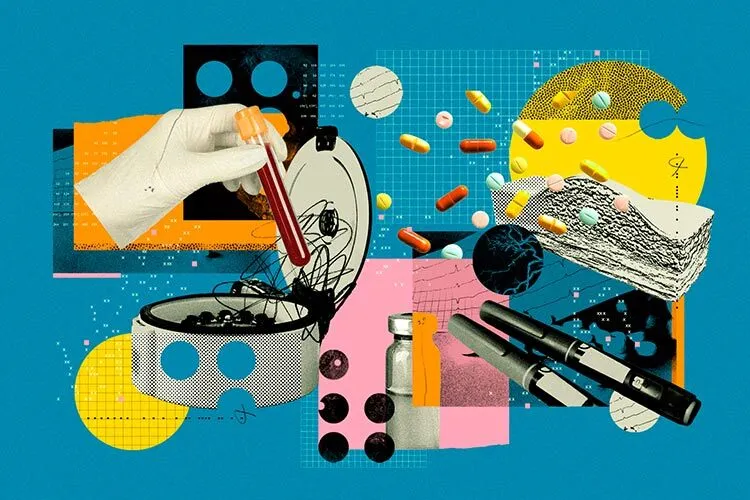
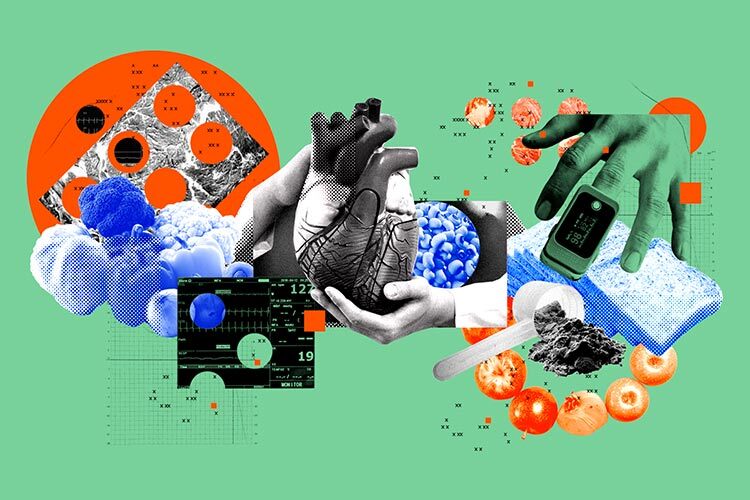
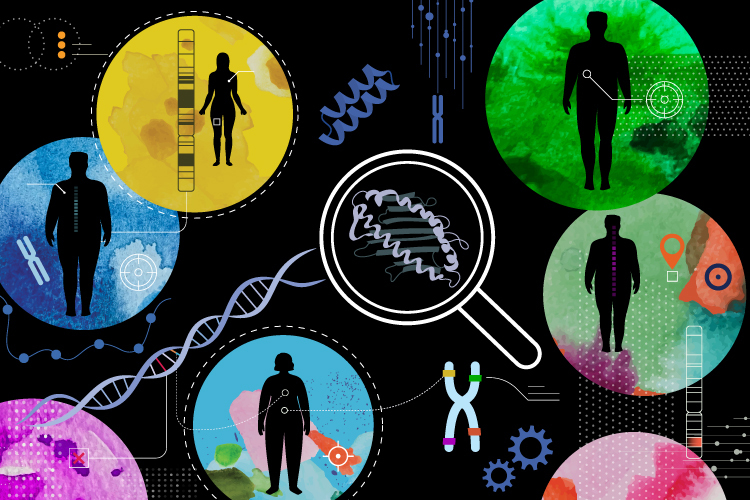
Illustration representing obesity, diabetes, cardiovascular disease, and metabolic health research.
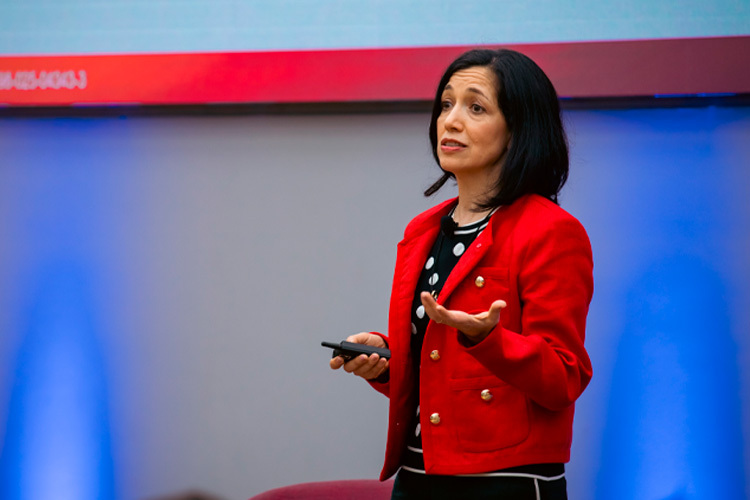
Endocrinologist Carolina Solis-Herrera explains why obesity is the driving force behind diabetes, cardiovascular disease and kidney damage, and why delayed treatment remains one of medicine's biggest challenges.
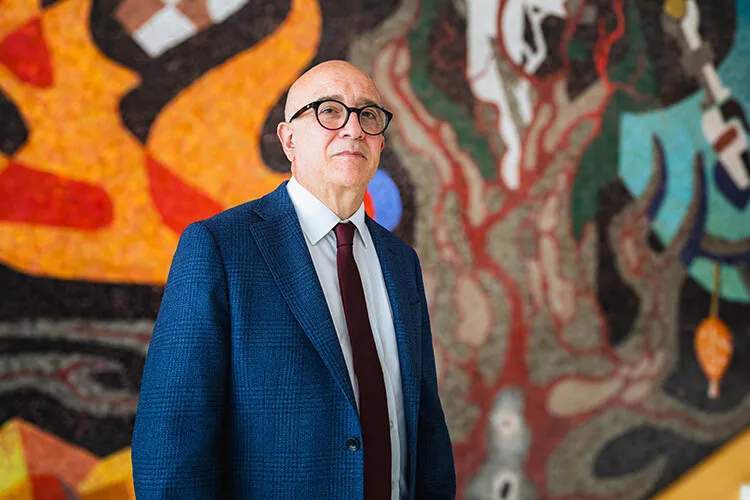
Antonio Vidal-Puig during the International Congress on Obesity Research at Tecnologico de Monterrey, where he discussed metabolic health, obesity and the limits of BMI as a predictor of disease.
During the International Congress on Obesity Research of Tecnologico de Monterrey, Antonio Vidal-Puig explained why metabolic dysfunction can begin long before it appears in traditional diagnostics.
Researcher Miguel Ruiz Canela presented scientific evidence from clinical trials on nutrition and lifestyle and their impact on disease prevention.
Karin Conde-Knap
Karin Conde-Knape, scientific director at Valo Health, explains how new treatments are being developed.
illustration of an olive oil drop
A new study reveals how the olive tree produces a key molecule with the potential to improve crops and combat metabolic diseases.
Illustration of DNA and human figures representing a repository of studies on obesity in Latinos living in the United States.
The open-access platform compiles peer-reviewed research to identify obesity risk factors among Hispanic/Latino populations in the United States and support public health policy and interventions.
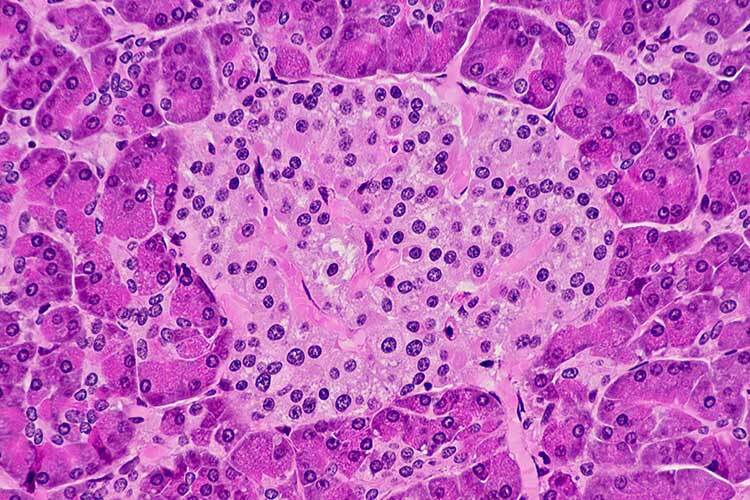
Microscopic photograph of a pancreatic islet
A research group is exploring the eye as an immunologically privileged site for developing new therapies. The project is led by Judith Bernal, recipient of the L’Oréal-UNESCO For Women in Science Award.
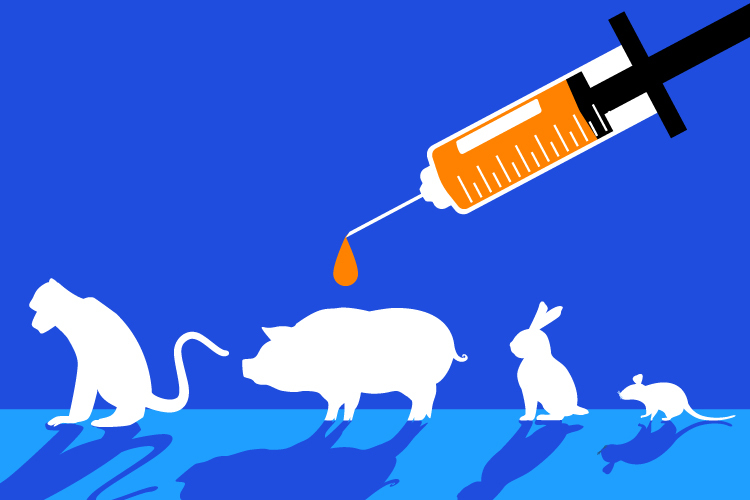
animal testing
Despite progress in reducing the use of these sentient beings in testing, the search to replace them in research has not advanced as rapidly as one would hope.
supplements vitamins
The annual supplement market is estimated to exceed $385 billion and is expected to grow by about 7% by 2030.

Institute for Obesity Research

An IOR flagship project is generating new knowledge through cohort analysis and using scientific evidence to guide the development of healthier foods.
Illustration representing obesity, diabetes, cardiovascular disease, and metabolic health research.
Endocrinologist Carolina Solis-Herrera explains why obesity is the driving force behind diabetes, cardiovascular disease and kidney damage, and why delayed treatment remains one of medicine's biggest challenges.
Antonio Vidal-Puig during the International Congress on Obesity Research at Tecnologico de Monterrey, where he discussed metabolic health, obesity and the limits of BMI as a predictor of disease.
During the International Congress on Obesity Research of Tecnologico de Monterrey, Antonio Vidal-Puig explained why metabolic dysfunction can begin long before it appears in traditional diagnostics.
Researcher Miguel Ruiz Canela presented scientific evidence from clinical trials on nutrition and lifestyle and their impact on disease prevention.
Karin Conde-Knap
Karin Conde-Knape, scientific director at Valo Health, explains how new treatments are being developed.
illustration of an olive oil drop
A new study reveals how the olive tree produces a key molecule with the potential to improve crops and combat metabolic diseases.
Illustration of DNA and human figures representing a repository of studies on obesity in Latinos living in the United States.
The open-access platform compiles peer-reviewed research to identify obesity risk factors among Hispanic/Latino populations in the United States and support public health policy and interventions.
Microscopic photograph of a pancreatic islet
A research group is exploring the eye as an immunologically privileged site for developing new therapies. The project is led by Judith Bernal, recipient of the L’Oréal-UNESCO For Women in Science Award.
animal testing
Despite progress in reducing the use of these sentient beings in testing, the search to replace them in research has not advanced as rapidly as one would hope.
supplements vitamins
The annual supplement market is estimated to exceed $385 billion and is expected to grow by about 7% by 2030.

Sign up to our weekly newsletter!

Scientists, innovation and the stories that explain it all.