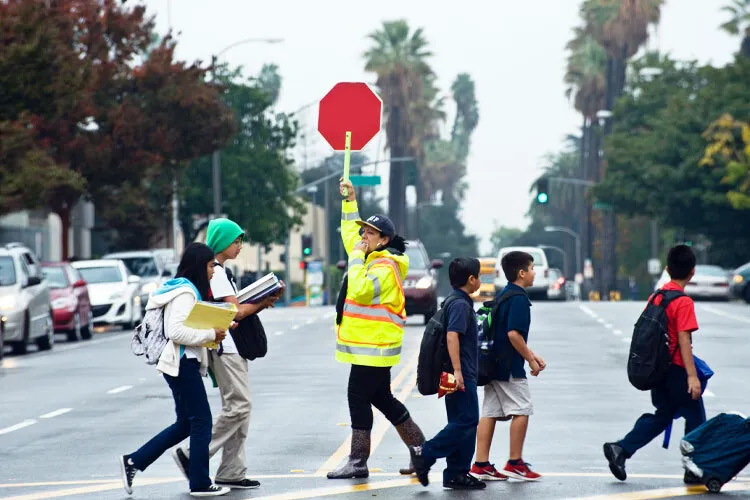


Road traffic crashes are one of the leading threats to children and adolescents in Latin America and the Caribbean. According to the Inter-American Development Bank (IDB), they are the third leading cause of death among people ages 5 to 14 in the region.
On their journeys to and from school, children face risks linked to the design and condition of streets, as well as inadequate regulations and economic inequalities that heighten their vulnerability.
Against this backdrop, researchers from Tecnológico de Monterrey’s Center for the Future of Cities (CFC) are participating in Movilab Escolar: Caminos seguros, sostenibles e inclusivos, an applied research project designed to strengthen programs that make routes to school safer.
“The idea is to help improve and advance safe school mobility programs across the region,” says Nélida Escobedo, a professor at the School of Architecture, Art and Design and a researcher at the center.
A Laboratory for Improving School Mobility
The project is organized around three components. The first is an assessment of school mobility programs to identify their bottlenecks and develop indicators for measuring their impact.
The second component involves analyzing public policies and creating road maps tailored to the particular needs of countries and cities to improve their programs.
The final component seeks to disseminate knowledge, train public officials, and promote the exchange of experiences.
“This project falls under the IDB’s Regional Public Goods initiative, a technical cooperation mechanism through which the bank supports the creation of knowledge that can lead to improvements in public policy and regulations, as well as in how programs are implemented and maintained,” Escobedo explains.
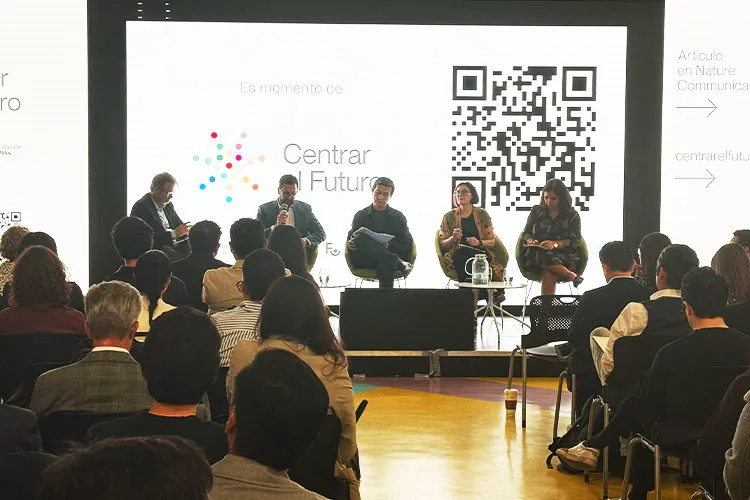
The Movilab Escolar team formed a partnership with the Insper Institute of Education and Research in Brazil, which hosted a meeting for project beneficiaries. (Photo: Center for the Future of Cities)
An assessment to determine whether the programs work
As part of the assessment, Movilab Escolar analyzed seven school mobility cases in Latin America: nationwide programs in Argentina, the Dominican Republic, and Peru, as well as city-level initiatives in Bogotá, Colombia, and Jundiaí, Salvador, and Recife, Brazil.
The assessment examined factors including the programs’ vision and strategy, street design, operations, regulations, monitoring, and financial sustainability.
The initiative was developed jointly with the consulting firm Cidade Ativa, which produced the content for the assessment report and is currently working on developing the evaluation model.
The analysis revealed significant differences in how developed the initiatives are. In Bogotá, for example, Niñas y Niños Primero has become an established part of city operations, with a dedicated budget and an experienced implementation team.
In Recife, Brazil, efforts have focused more heavily on physical interventions, such as street rehabilitation.
Despite the differences among the programs and their levels of maturity, the team identified a shared challenge: evaluating their impact. In other words, these initiatives are lagging when it comes to measuring the results they produce.
“One thing we found among all project beneficiaries and across the region is that monitoring and evaluating the impact of these programs remains a challenge,” Escobedo says.
Measuring More than Road Safety
With this in mind, the team is already developing a standardized model for evaluating the impact of school mobility programs.
The goal is to go beyond measuring only reductions in crashes or other road incidents. The researchers propose evaluating the benefits of these programs across four dimensions: road safety, well-being, health, and education.
If children walk to school, for example, the team can examine benefits associated with increased physical activity and reduced stress. It also plans to include indicators related to academic performance.
“The goal of the evaluation model we are developing is to broaden the range of indicators so that we can build a much more comprehensive picture of the benefits these programs provide,” Escobedo explains.
Toward Vision Zero
People in each city will be able to access a free digital platform featuring a kind of “compass.” Through a self-assessment questionnaire, users will be able to determine how advanced their school mobility program is.
The platform will offer recommendations, readings, and resources that can help strengthen each program, as well as information that can be used at every level of decision-making.
It will also include the evaluation model and a digital repository containing assessments, reports, manuals, and other materials.
To bring these lessons to school communities, the team is also preparing a children’s story about road safety and an animated short film about children’s experiences on their journeys to school. Both materials will be aimed at mothers, fathers, and school communities and will be presented at the 2026 Monterrey International Book Fair.
Movilab Escolar also recently released the report Caminos Seguros a la Escuela en América Latina y el Caribe: Diagnóstico regional y lineamientos para fortalecer la movilidad escolar, which presents the study’s findings and serves as a practical guide for strengthening these types of initiatives.
“Our vision is to reduce that number to zero—to embrace Vision Zero, meaning zero crashes and road incidents,” Escobedo says. “Getting there will be a long road. Some places have made more progress, while others may face many challenges. Our goal is to bring this knowledge to the table, keep driving these efforts forward, and continue sharing experiences.”
Did you find this story interesting? Would you like to publish it? Contact our content editor to learn more at marianaleonm@tec.mx